












White Papers/Case Studies
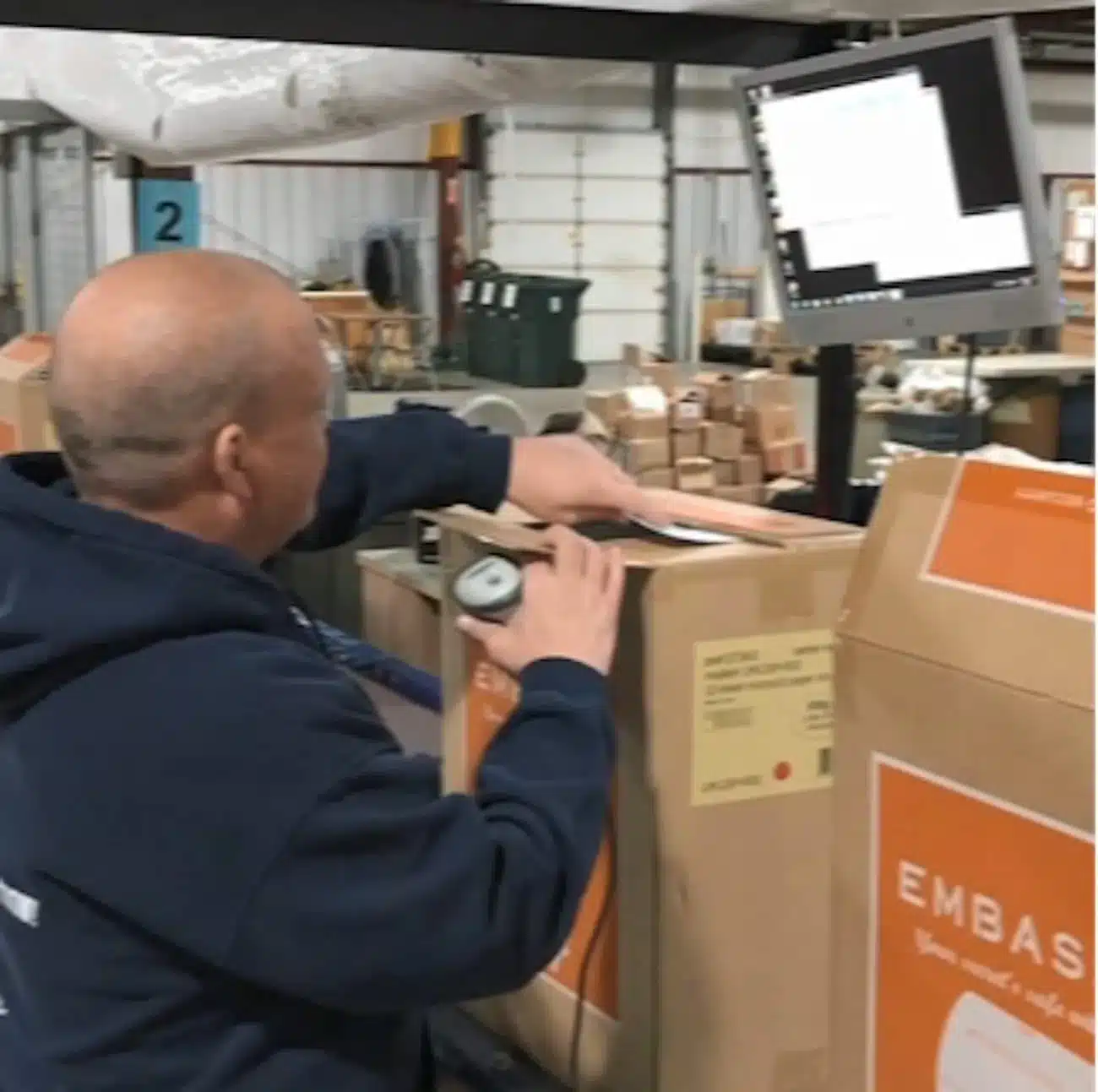
WMS Case Study: IMG
See how Cadence WMS helped IMG scale from 85,000 to 100,000+ orders per weekend through automated warehouse processes.

WMS Case Study: FST
FST Logistics had a challenge, it just signed a new customer that needed a 3PL transportation and warehouse company to handle a high volume of e-commerce order fulfillment.
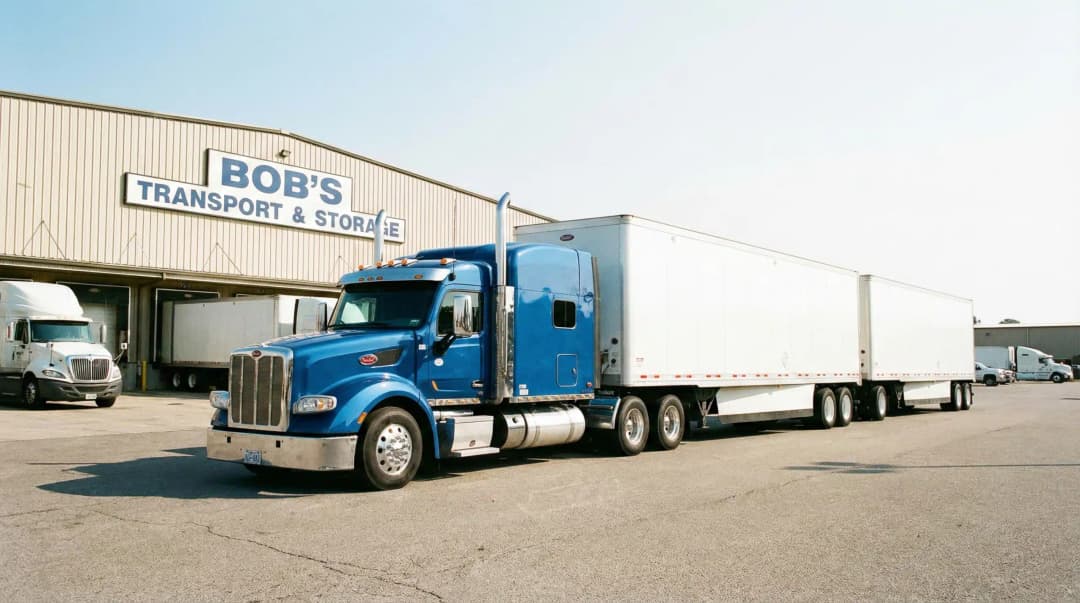
Case Study: BTS
Cadence WMS helped BTS increase warehouse accuracy with Cadence WMS from Cadre Technologies. Read the Warehouse Management System case study for 3PL

Case Study: Axis Global
Axis Global took on the task of being the logistics provider to the USO for its USO2GO program nearly two years ago. See how Cadre Tech helped.

Case Study: TAGG Logistics
TAGG reviewed several WMS solutions before choosing the Cadence WMS by CadreTech. Read the case study and learn more about Cadre today.

Case Study: Bonded Logistics
Cadre assisted Bonded Logistics to implement Cadence features to reach their productivity goals, reduce staffing and meet customer expectations.
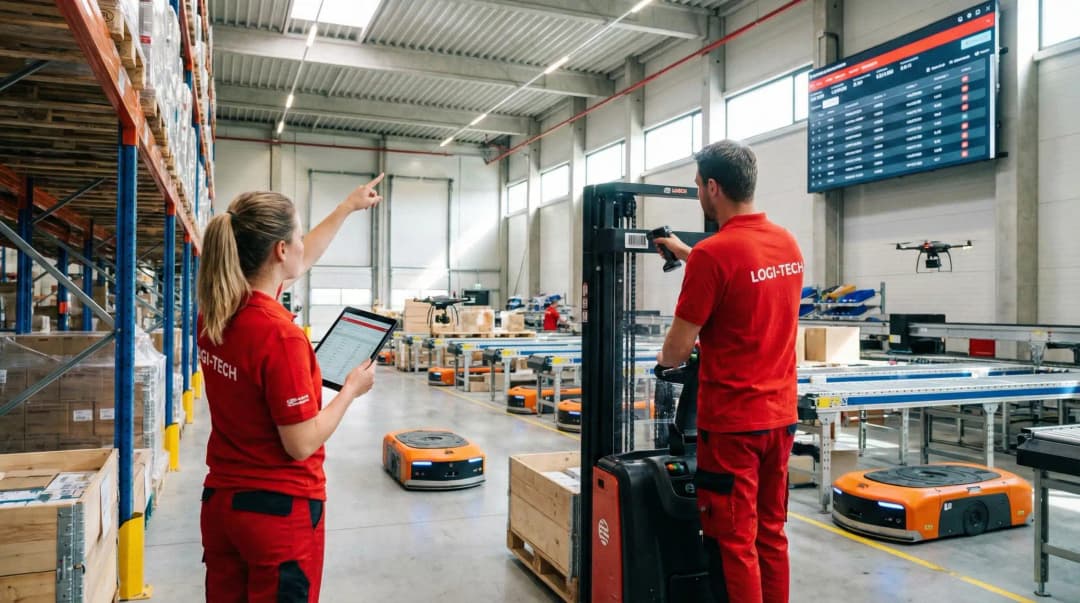
Case Study: Axis Global
Axis Global is driven by warehouse management & inventory visibility systems from Cadre Tech to keeps distributed inventories in sync
Recent Articles
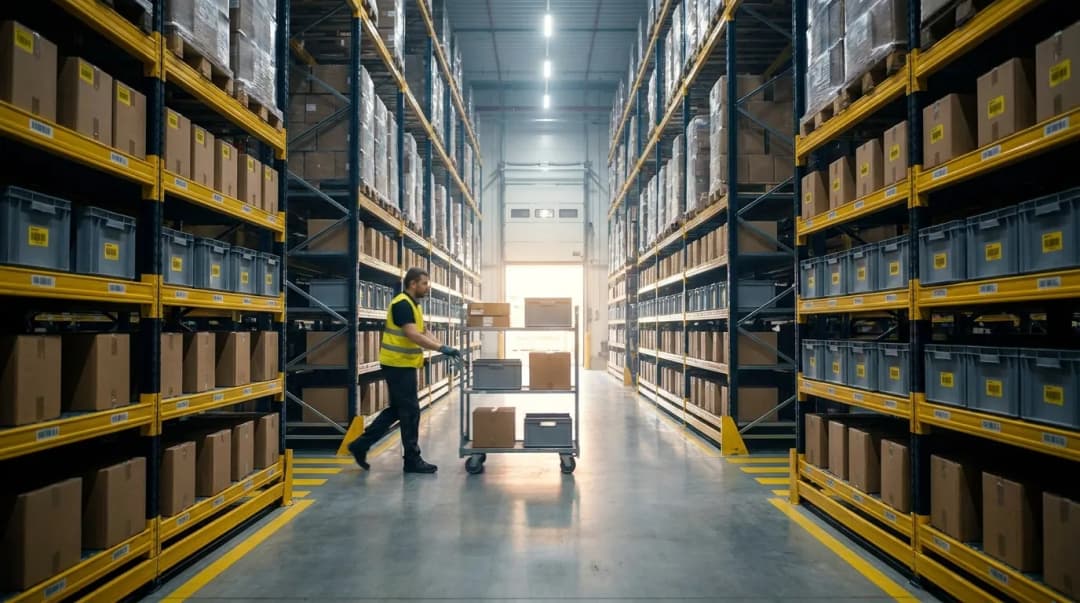
What Is LMS in Warehouse? The Hidden Labor Cost Explained
By Daryl Grove · October 1, 2026 · 15 min read
A labor management system (LMS) measures warehouse productivity by person, shift and client. Learn how it works with your WMS and ERP.
Amazon’s Outsourcing Strategy: What 3PLs Can Learn
By Daryl Grove · July 16, 2026 · 12 min read
Learn how Amazon's outsourcing strategy reshaped supply chain logistics — and how 3PLs can apply the same principles to improve efficiency and win more clients.

The Complete Guide to Food Traceability Software
By Daryl Grove · March 24, 2026 · 17 min read
Discover the benefits of food traceability software for compliance and transparency. Explore Cadre's innovative solutions.