









Warehouse Automation for Wine & Spirits: Boosting Efficiency
By Daryl Grove · February 17, 2026 · 8 min read

Warehouse Automation for Wine & Spirits: Optimizing Storage, Logistics, and Supply Chain Efficiency
Warehouse Automation for Wine & Spirits: Optimizing Storage, Logistics, and Supply Chain Efficiency
The wine and spirits industry faces unique warehouse management challenges that standard distribution approaches simply can’t address effectively. From maintaining precise temperature conditions to navigating complex regulations and handling high-value, fragile inventory, alcohol distributors require specialized solutions that balance efficiency with product integrity. Enter warehouse automation – a transformative approach that’s revolutionizing how wineries, distilleries, and distributors store, manage, and distribute their products.
As competition intensifies and consumer expectations evolve, industry leaders are increasingly turning to automated systems to streamline operations, reduce handling damage, improve inventory accuracy, and ultimately deliver superior products to market faster. This technological evolution couldn’t come at a better time, as the global alcoholic beverages market is projected to reach $1,684 billion by 2025, creating unprecedented pressure on supply chains.
In this comprehensive guide, we’ll explore how cutting-edge warehouse automation technologies are specifically addressing the unique challenges of wine and spirits logistics while positioning businesses for sustainable growth in an increasingly complex marketplace.
1. The Unique Challenges of Wine and Spirits Warehouse Management
The wine and spirits industry presents warehousing challenges that extend far beyond standard inventory management concerns. Understanding these unique requirements is essential before implementing automation solutions:
Temperature and Humidity Control
Wine and many spirits require precise environmental conditions to maintain quality:
-
Wine storage typically demands temperatures between 50-59°F (10-15°C) and humidity levels of 60-70%
-
Spirits storage generally requires consistent temperatures with minimal fluctuations
-
Seasonal variations must be actively managed to prevent product degradation
Even minor environmental inconsistencies can damage product quality, resulting in significant financial losses. Traditional manual monitoring systems often fail to provide the constant vigilance required.
Regulatory and Compliance Considerations
Few industries face the regulatory complexity that defines alcohol distribution:
-
Strict chain-of-custody documentation requirements
-
Varying state and international regulations for alcohol distribution
-
Complex taxation and excise duty tracking requirements
-
Mandatory age verification processes at multiple distribution points
These regulatory demands create substantial documentation and tracking challenges that manual systems struggle to address consistently.
Handling Fragile and High-Value Inventory
Wine and spirits inventory presents unique handling challenges:
-
Glass packaging is highly susceptible to breakage during movement
-
Premium products may have values exceeding thousands of dollars per bottle
-
Some inventory requires aging, creating long-term storage requirements
-
Varying bottle shapes and sizes complicate standardized handling procedures
These factors elevate the cost of handling errors well beyond those in most other industries.
Seasonal Demand Fluctuations
Wine and spirits sales exhibit significant seasonal patterns:
-
Holiday seasons can drive order volumes 300-400% above baseline
-
New product releases create sudden demand spikes
-
Temperature-dependent shipping requirements add complexity to seasonal planning

These fluctuations require warehousing solutions that can rapidly scale while maintaining quality standards.
2. How Warehouse Automation Enhances Wine and Spirits Supply Chain
Given these industry-specific challenges, specialized automation solutions have emerged to address the unique needs of wine and spirits warehousing:
Automated Storage and Retrieval Systems (AS/RS)
AS/RS technology has revolutionized wine and spirits storage efficiency:
-
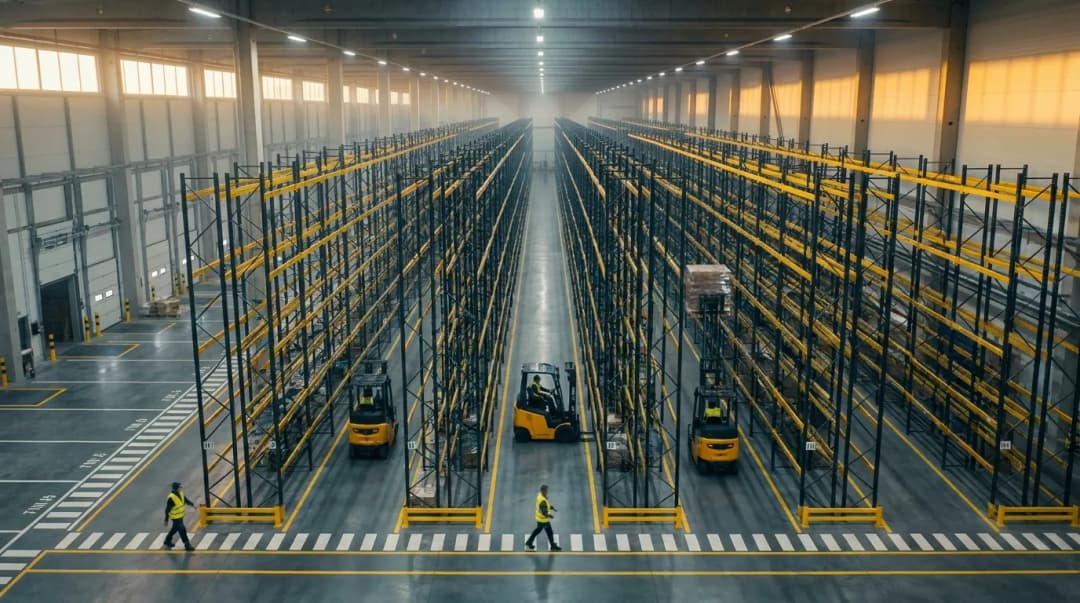
High-density storage configurations maximize warehouse capacity utilization
-
Vertical storage solutions reduce footprint requirements by up to 85%
-
Automated retrieval mechanisms minimize handling and associated breakage
-
Zone-specific climate controls maintain optimal conditions for different product types
For example, Constellation Brands implemented an AS/RS system that increased their storage density by 30% while reducing product damage by 45% through minimized handling.
Warehouse Robotics
Robotic systems are transforming how wine and spirits are moved throughout facilities:
-
Autonomous Mobile Robots (AMRs) navigate warehouse environments while safely transporting fragile products
-
Robotic palletizers arrange mixed-case orders with precision that exceeds manual capabilities
-
Collaborative robots assist human workers with repetitive or physically demanding tasks
Southern Glazer’s Wine & Spirits, North America’s largest distributor, reported a 30% increase in picking accuracy and a 25% reduction in labor costs after implementing AMRs in their distribution centers.
Automated Inventory Management
Digital inventory tracking systems provide unprecedented visibility into wine and spirits inventory:
-
Warehouse Management Systems (WMS) coordinate all aspects of inventory movement and storage
-
RFID and barcode scanning enable real-time tracking of individual bottles and cases
-
Automated batch tracking simplifies compliance documentation and recall procedures
-
Digital provenance records maintain crucial information for premium products
These systems facilitate compliance with complex regulatory requirements while simultaneously improving inventory accuracy to over 99%.
Smart Conveyor Systems
Advanced conveyor technology addresses the fragile nature of wine and spirits packaging:
-
Gentle handling mechanisms reduce breakage rates by up to 85%
-
Speed-controlled zones ensure safe movement of fragile glass products
-
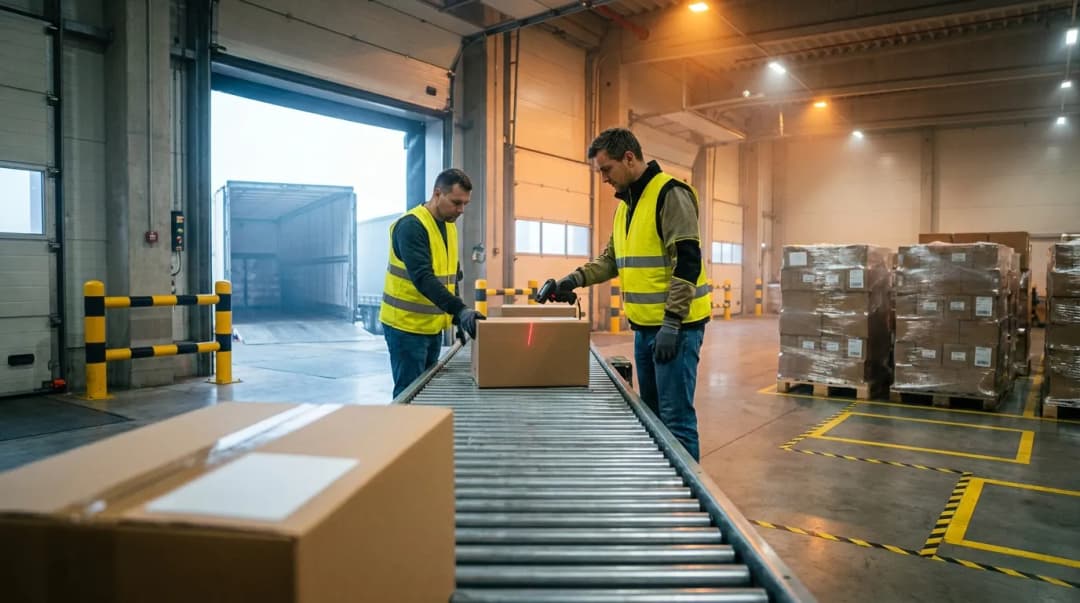
Integrated scanning and sortation automate routing to specific warehouse zones
-
Intelligent diverters facilitate order consolidation for mixed-case fulfillment
Modern conveyor systems include specialized cushioning and stabilization features specifically designed for glass bottle handling safety.
3. Optimizing Wine Logistics with Smart Supply Chain Solutions
Automation benefits extend beyond the warehouse walls into broader supply chain operations:
Predictive Analytics for Demand Forecasting
Data-driven forecasting is transforming inventory planning:

-
Machine learning algorithms analyze historical sales patterns alongside external factors
-
Weather pattern integration improves seasonal consumption predictions
-
Event-based modeling anticipates demand spikes around holidays and occasions
-
Automatic inventory level adjustments minimize overstock and stockout situations
Leading distributors report 40% reductions in overstock situations after implementing AI-driven forecasting, significantly reducing carrying costs while improving availability.
Cold Chain Logistics Automation
Automated temperature management preserves product quality throughout distribution:
-
Continuous temperature monitoring with automated alerts for deviations
-
Climate-controlled loading docks prevent exposure during transfer operations
-
Route optimization accounting for temperature-sensitive products
-
Automated documentation of temperature conditions throughout transit
These systems maintain unbroken temperature documentation that serves both quality assurance and regulatory compliance purposes.
Integration with Distributors and Retailers
Seamless digital connectivity streamlines the entire distribution chain:
-
EDI (Electronic Data Interchange) automates order processing between supply chain partners
-
API connections enable real-time inventory visibility across distribution networks
-
Automated reordering systems maintain optimal stock levels throughout the chain
-
Digital shipment verification simplifies receiving procedures and improves accuracy
E & J Gallo Winery reported a 60% reduction in order processing time after implementing integrated systems with their distribution partners.
4. The Future of Warehouse Technology for Wine & Spirits
Emerging technologies are poised to further revolutionize wine and spirits warehousing:
AI-Driven Order Forecasting and Inventory Optimization
Artificial intelligence is taking predictive capabilities to new levels:
-
Deep learning models that incorporate hundreds of demand variables
-
Natural language processing to monitor social trends affecting consumption patterns
-
Automated purchasing recommendations based on real-time depletion data
-
Dynamic pricing optimization to maximize inventory returns
These systems continually improve in accuracy as they process more data, creating increasingly precise inventory strategies.
IoT-Powered Real-Time Monitoring

Internet of Things technology is transforming environmental control capabilities:
-
Wireless sensor networks monitoring temperature, humidity, light, and vibration
-
Precision climate control systems that automatically adjust based on sensor data
-
Microzoning capabilities that create optimal conditions for different product types
-
Automated alerts and corrective actions when conditions approach unacceptable ranges
These systems provide unprecedented environmental precision while significantly reducing monitoring labor costs.
Blockchain for Enhanced Traceability
Distributed ledger technology addresses authenticity concerns in premium spirits and wine:
-
Immutable provenance records that verify product authenticity
-
Digital certificates that travel with products throughout distribution
-
Automated compliance documentation that satisfies regulatory requirements
-
Smart contracts that streamline transactions between supply chain partners
Blockchain implementation is particularly valuable for premium products where authenticity significantly impacts value.
Fully Autonomous Warehouses
The integration of multiple automation technologies is leading toward fully autonomous facilities:
-
Light-out warehousing operations that function with minimal human intervention
-
Self-optimizing storage systems that continuously reorganize inventory based on demand patterns
-
Automated quality inspection using computer vision technology
-
End-to-end robotics handling everything from receiving to shipping operations
While fully autonomous warehouses remain aspirational for most operations, partial implementation of these technologies is delivering significant benefits today.
Conclusion: Embracing Automation for Competitive Advantage
The wine and spirits industry stands at a technological inflection point. The warehousing challenges that have long defined the sector – precise environmental control, regulatory compliance, fragile inventory handling, and demand volatility – now have powerful automation solutions available to address them.
Forward-thinking distributors and producers are already realizing the benefits: reduced operating costs, improved inventory accuracy, enhanced product quality, faster fulfillment, and better regulatory compliance. These advantages translate directly to competitive edge in an increasingly demanding marketplace.
For warehouse managers and supply chain executives in the wine and spirits industry, the message is clear: automation isn’t merely an operational enhancement – it’s becoming an essential strategic investment. Companies that embrace these technologies position themselves to deliver superior product quality, greater efficiency, and ultimately, better customer experiences.
As you evaluate your warehousing and distribution operations, consider conducting an automation readiness assessment to identify your highest-impact implementation opportunities. The journey toward automation needn’t happen all at once – targeted solutions addressing your most pressing challenges often provide the clearest path to demonstrable ROI.
The wine and spirits market will continue evolving, with consumer expectations and regulatory requirements only growing more complex. By investing in automation today, you position your operation to adapt and thrive in this dynamic environment for years to come.
Frequently Asked Questions
What are the biggest challenges in wine and spirits warehousing?
The primary challenges include maintaining precise temperature and humidity control, navigating complex alcohol regulations across jurisdictions, handling fragile high-value inventory with minimal damage, and managing dramatic seasonal demand fluctuations around holidays and promotional periods.
How does warehouse automation improve compliance for wine and spirits?
Automated systems maintain detailed digital records of storage conditions, lot tracking, and chain of custody that satisfy regulatory requirements. Temperature monitoring with automated alerts ensures products stay within specified ranges, while WMS-enforced workflows prevent compliance violations during receiving, storage, and shipping.
What ROI can wine and spirits companies expect from warehouse automation?
Companies typically see reduced product damage rates, improved inventory accuracy above 99 percent, faster order fulfillment, and lower labor costs per case handled. Cold chain automation reduces spoilage losses, while automated picking and packing systems increase throughput during peak seasonal periods.
Is warehouse automation practical for smaller wine distributors?
Yes. Automation can be implemented incrementally, starting with a warehouse management system and barcode scanning for inventory accuracy, then adding temperature monitoring and automated picking as volume grows. Cloud-based WMS solutions make enterprise-level capabilities accessible to smaller operations without large upfront infrastructure costs.