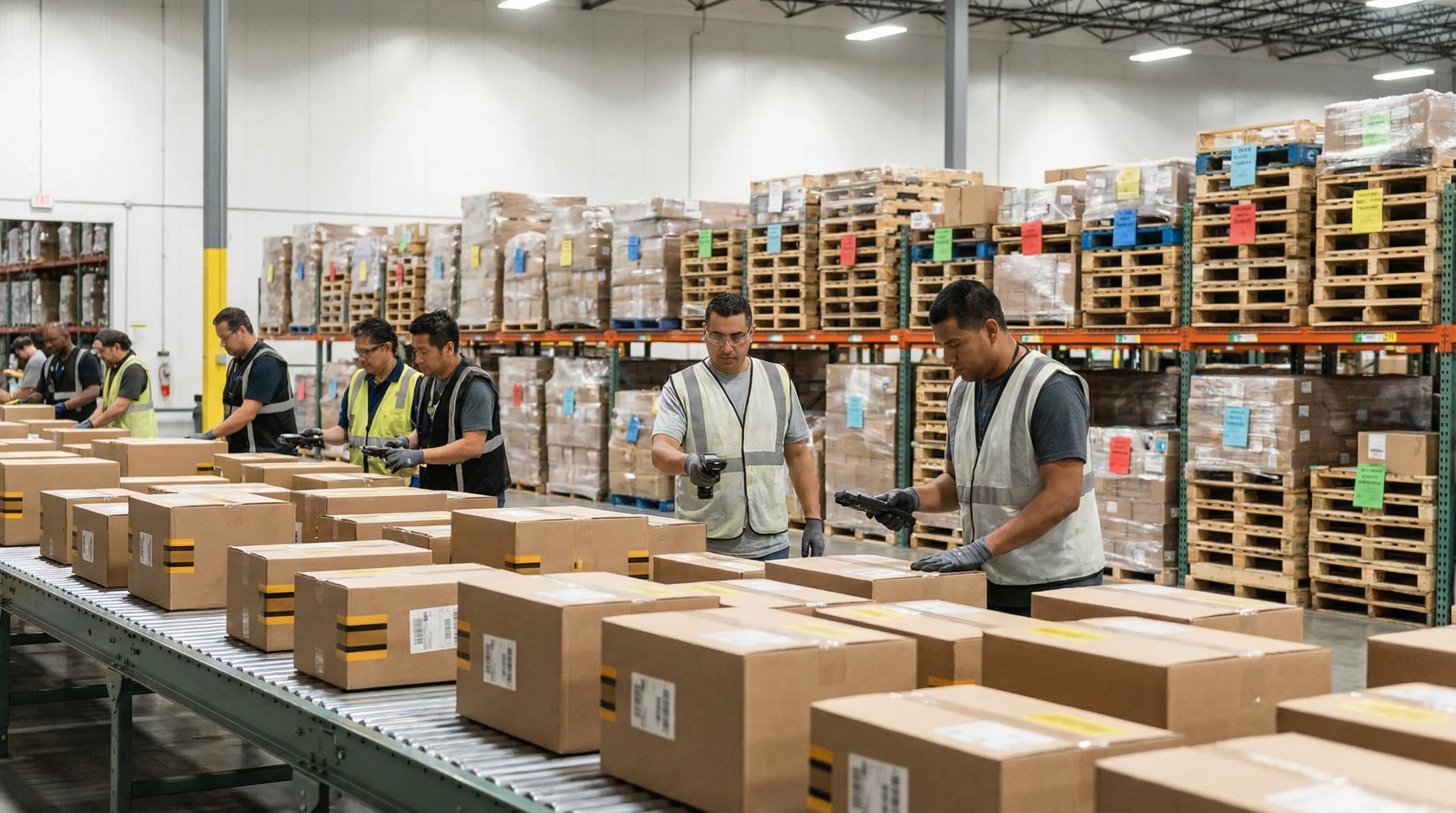
Stock Your Pick Locations with RF Technology
Step into the future of efficient warehouse management with Cadre’s putaway software. As a crucial part of our comprehensive WMS, this solution gives you access to cutting-edge putaway strategies that ensure optimal space utilization and seamless warehouse operations. Benefit from the efficiency of directed putaway, minimizing the time, resources, and potential for errors in your processes. Our software is not just about managing stock placement; it’s about utilizing smart technology to drive operational efficiency and profitability.


Prioritized Work Orders
The Replenishment Module organizes work orders into three categories: Hot Replenishments for urgent requests, Normal Replenishments that begin when inventory falls below a set threshold, and Batch Replenishments scheduled for regular restocking. This classification helps warehouse staff focus on the most critical tasks first, ensuring that high-priority orders are fulfilled without delay. Tasks are assigned to workers according to priority level, the type of equipment they operate, and their designated zone within the facility. By aligning work order priorities with worker capabilities and locations, the system minimizes travel time and maximizes operational efficiency. Additionally, real-time updates allow supervisors to monitor progress and reallocate resources dynamically as priorities shift throughout the day. This structured approach ensures that essential picking areas are consistently supplied with the necessary stock to maintain smooth operations.
Two-Step Pick & Put Workflow
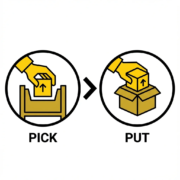
Replenishment involves a straightforward two-step process: first, workers pick SKUs from surplus locations such as bulk storage or reserve areas. Next, these items are placed into their designated home locations where order pickers can easily access them. Throughout the process, RF terminals assist employees by providing clear instructions, including scanning locations, verifying SKUs, and confirming quantities. This method helps maintain accurate inventory levels and supports efficient daily warehouse operations. By reducing errors and minimizing misplaced inventory, the workflow enhances overall accuracy and productivity. Additionally, the system’s real-time updates enable better inventory visibility and quicker response to stock replenishment needs.

Equipment-Based Assignment
Enter your equipment ID to receive replenishment work orders that match the capabilities of your forklift, reach truck, or cart. Tasks are assigned according to the specific features of your equipment and the layout of the warehouse zones, ensuring that each piece of equipment is utilized efficiently and safely. Use carrier moveable units to handle picks efficiently, combining multiple replenishments into a single trip to reduce unnecessary travel and optimize load capacity. The system also considers weight limits, aisle widths, and equipment reach to prevent operational bottlenecks and improve workflow. Additionally, plan your travel routes carefully to minimize time spent moving between locations and increase overall productivity. This targeted assignment approach helps reduce equipment idle time and supports better resource allocation across the warehouse.
Threshold-Based Triggers
Set minimum and maximum limits for each home location to help maintain balanced inventory levels. When stock drops below the minimum threshold, the system automatically generates replenishment work orders to prevent shortages. You can adjust these threshold amounts based on product demand and assign reserve subzones to keep extra stock organized and accessible. Additionally, top-off rules can be established to match the pace of product movement and picking patterns, ensuring inventory stays at appropriate levels throughout the day. This feature helps reduce the risk of overstocking or stockouts by providing real-time inventory monitoring and proactive management. By automating these triggers, warehouse operations become more efficient, minimizing manual oversight and improving overall inventory accuracy.
SKU Verification & Lot Control
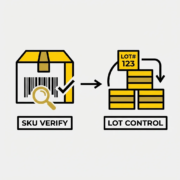
Verify each restock by scanning SKUs, recording lot numbers, and monitoring expiration dates to maintain accurate inventory records. The system displays pick quantities clearly, manages movable units efficiently, and allows for easy identification of discrepancies during stock handling. When differences arise, cycle count requests can be initiated to promptly address inventory variances and ensure accuracy. This feature supports compliance with regulatory requirements by tracking lot-specific information and expiration data, reducing the risk of shipping expired or incorrect products. Function keys (F4 Full, F5 Drop, F6 Cycle Count) provide workers with quick access to frequently used tasks, helping them complete their duties more efficiently. By streamlining SKU verification and lot control processes, the system enhances overall inventory accuracy and operational productivity.
Efficient Travel Paths
The system organizes putaway locations in the reverse order of the picking sequence to minimize travel distances within the warehouse. Warehouse workers move along clear routes through aisles and designated zones, placing moveable units precisely where they are needed. They carry full carriers efficiently, handle drop zones carefully, and complete replenishment putaway tasks without unnecessary backtracking. This approach helps maintain a steady flow of operations and supports accurate inventory placement throughout the facility. By optimizing travel paths, the system reduces worker fatigue and increases overall productivity, enabling faster turnaround times for order fulfillment. Additionally, the clear routing minimizes congestion and potential safety hazards, contributing to a safer working environment.

Are you looking for a Warehouse Management System? Request a demo today