Global Logistics Trends: Part 4 – Near Instant Delivery
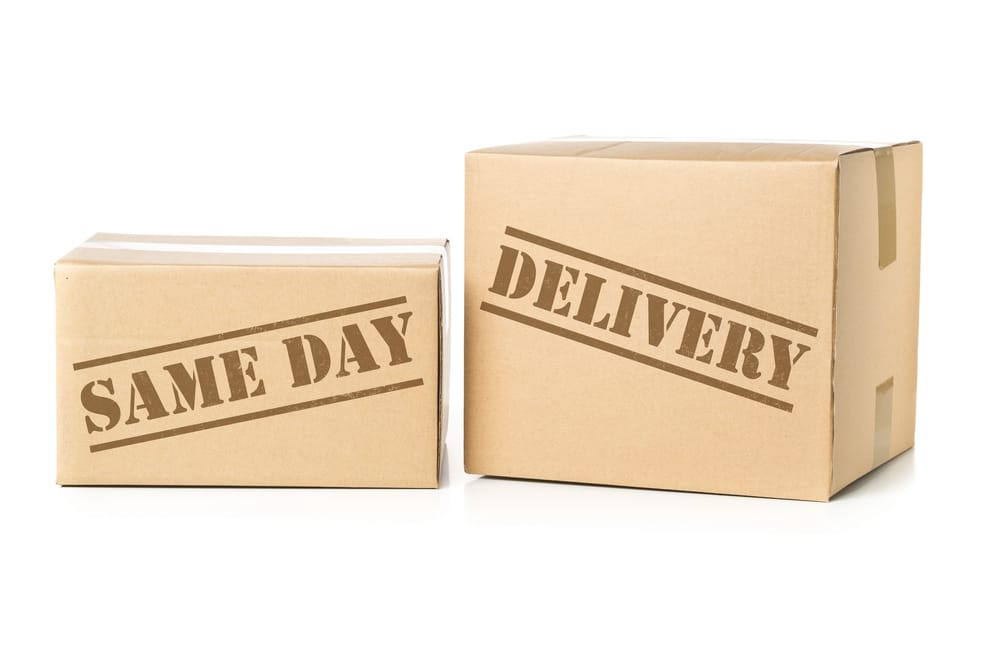
In the fast-paced world of global logistics, the fourth and final trend we will examine is perhaps the most game-changing one – the demand for same-day and on-demand delivery. Initially limited to dense urban centers and the prepared-food category, this delivery model has now started influencing broader markets, causing a seismic shift in customer expectations and the logistics industry.
Shaping the Delivery Landscape with Real-Time Software
The thirst for immediacy has not only led to increased demands for same-day delivery (1-12 hours) but is also encouraging the evolution of on-demand delivery. This advancement has been facilitated by a few disruptive startups promising near-instantaneous delivery of items.
Harnessing the power of advanced software is key to meeting these escalated delivery expectations. Real-time software can help logistics operators improve delivery times and keep up with the ever-changing consumer demands.
End-to-End Supply Chain Visibility
Connect demand planning, inventory control, and transportation management with Cadre's integrated platform.
Request a Demo
On-Demand Delivery: The Next Step
While on-demand delivery initially gained traction in the prepared food industry within busy urban centers, it is rapidly extending its influence. The industry is exploring ways to overcome the model’s limitations, aiming for a more cost-efficient, network-based consolidation model of warehousing.
One thing is certain – the rise of on-demand delivery is conditioning consumers to want more, faster. Customers accustomed to rapid deliveries in one aspect of their lives begin to anticipate similar service speeds when shopping for other personal items.
Leveraging the Proximity Advantage
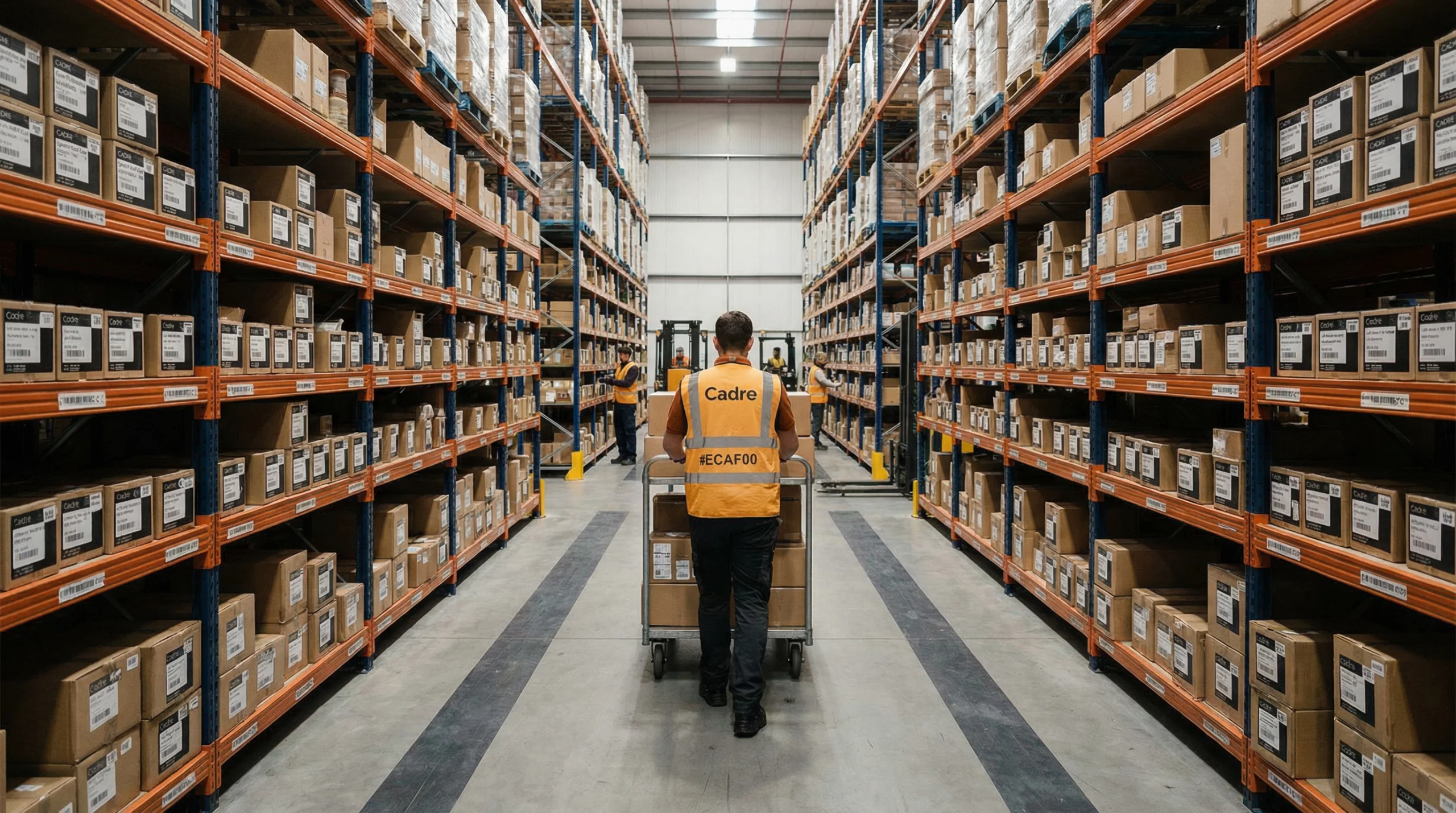
Brick-and-mortar stores strategically located in city centers can capitalize on this development. They already have the geographical advantage, being in close proximity to these demand-heavy customers. Furthermore, they may also have the warehousing capabilities to quickly accommodate the demand for speedy delivery.
How Cadre Can Help
Transforming your logistics operation to cater to same-day and on-demand delivery requires the integration of modern software and strategic planning. Cadre Technologies has the advanced solutions to help you rise to the occasion, ensuring you stay competitive in this rapidly evolving landscape. Contact our logistics experts at Cadre Technologies to leverage advanced solutions and meet your customers’ ever-increasing delivery expectations.
As we conclude this four-part series, we hope these trends have given you valuable insights into the transforming landscape of global logistics. Stay tuned for more insights from Cadre Technologies, your partner in navigating the evolving world of supply chain and logistics.
Review of Previous Parts:
In case you missed the earlier parts of this series, you can access them here:
Global Logistics Trends, Part 1: Rising Demand for Predictive Analytics
Global Logistics Trends, Part 2: Automation, Robotics, Smart Glasse, and Drones
Global Logistics Trends, Part 3: Greater Data Transparency
Frequently Asked Questions
What is the difference between same-day and on-demand delivery?
Same-day delivery typically means items are delivered within 1-12 hours of ordering, while on-demand delivery aims for near-instantaneous fulfillment, often within 30-60 minutes. On-demand delivery requires more sophisticated logistics networks and is currently more common in urban areas for prepared foods and essential items.
How much does implementing near instant delivery cost for businesses?
Implementation costs vary significantly based on company size, geographic coverage, and existing infrastructure. Major expenses include real-time software systems, additional warehouse locations, expanded delivery fleets, and staff training. Most businesses start with pilot programs in high-density urban areas to test viability before full rollout.
Why are customer expectations changing so rapidly for delivery speeds?
Consumer conditioning plays a major role – once customers experience fast delivery in one category like food delivery, they expect similar speeds across all purchases. Urban lifestyles, increased smartphone usage, and successful examples from major retailers have normalized instant gratification, making speed a competitive differentiator rather than a luxury service.
What challenges do rural areas face with on-demand delivery implementation?
Rural areas struggle with longer distances between customers, lower population density, limited warehouse locations, and higher per-delivery costs. The economics become challenging when delivery routes cover vast territories with fewer stops. Most on-demand services focus on urban centers first, leaving rural customers with traditional delivery timeframes.
Which industries benefit most from adopting same-day delivery services?
Industries with time-sensitive or high-convenience products see the greatest benefits, including pharmaceuticals, groceries, electronics, and automotive parts. Businesses selling perishable goods, emergency supplies, or items needed for immediate use can justify the higher operational costs through increased customer satisfaction and competitive advantage.