








Kitting as a Value-Added Service for 3PLs and Warehouse Managers
By Daryl Grove · November 15, 2022 · 11 min read
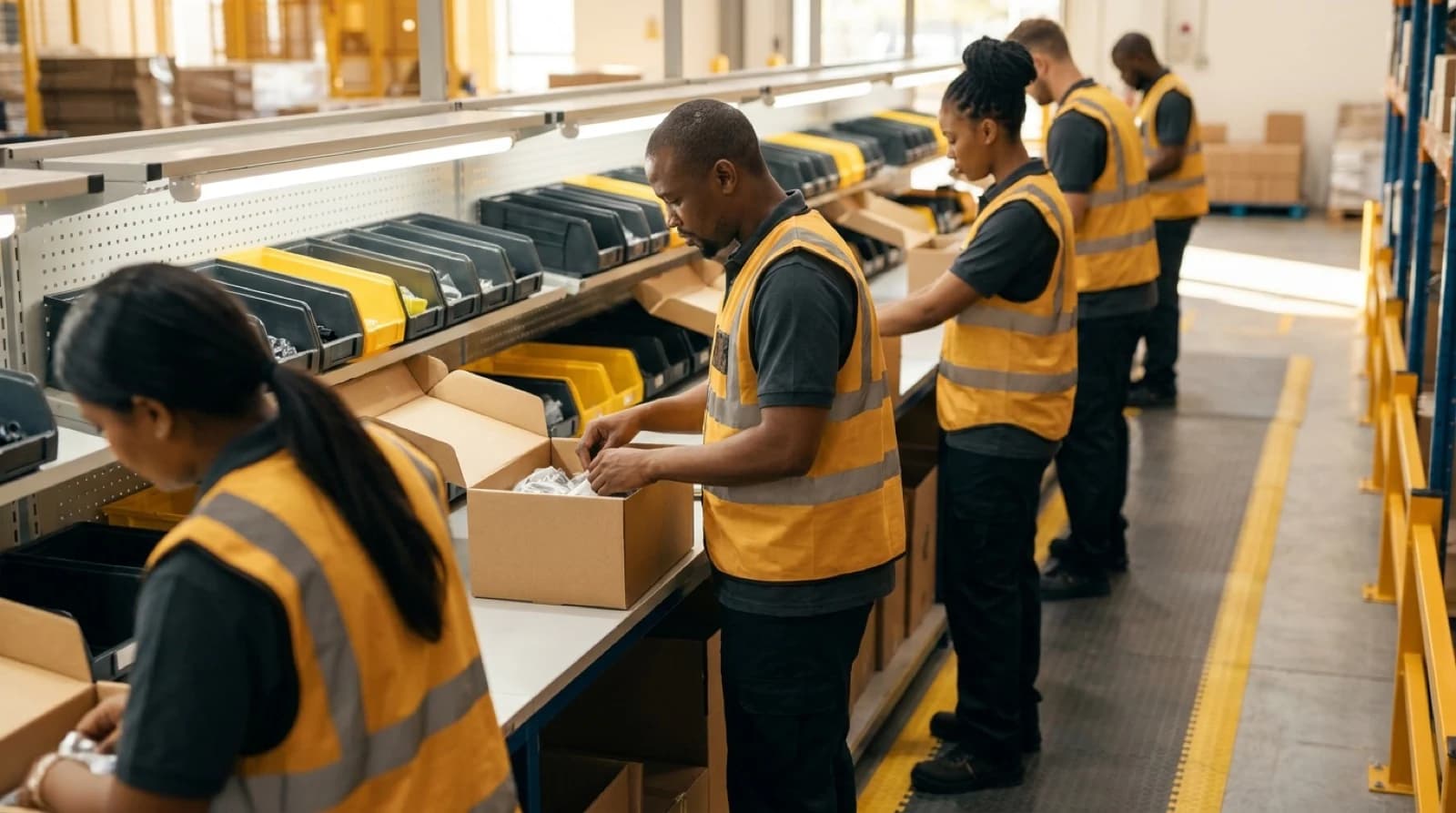
Kitting services can be a valuable added offering for third-party logistics providers (3PLs). By outsourcing kitting to a 3PL, companies can avoid tying up inventory in kits that cannot be sold individually, keep the contents of their kits fresh, and make it easier to change kit contents as needed. And place staffing the demand requirements of building the kits, on the 3PL
In this blog post, we will discuss why outsourcing this process can be beneficial for companies and how 3PLs and warehouse managers can increase their revenue by offering this value-added service. We will also take a look at how Cadre Technologies’ WMS software can accommodate this additional value-added service structure thereby helping you grow your business.
What is Kitting?
The definition of kitting is the process of assembling individual parts or products into a single unit known as a kit. This can be done for a variety of reasons, including but not limited to streamlining production, reducing inventory costs, and increasing sales. This process can be completed manually or with the help of machines, depending on the size and complexity of the kit.
Cost-Benefit Analysis of Implementing Kitting Services
Understanding the financial impact of 3pl kitting operations requires careful evaluation of both implementation costs and potential revenue streams. Warehouse managers must consider initial setup investments against long-term profitability when adding kitting services to their value added services portfolio.
Implementation Costs to Consider
-
Labor allocation: Dedicated staff for kitting operations, typically 2-3 additional full-time employees per shift depending on volume
-
Storage requirements: Additional 15-20% warehouse space for component inventory and finished kit storage
-
Equipment investments: Kitting workstations, packaging materials, and quality control tools averaging $25,000-$50,000 initial investment
-
Technology integration: WMS modifications and barcode scanning systems for kit tracking and inventory management
Revenue Potential and ROI Metrics
Successful warehouse kitting operations typically generate 20-35% higher margins compared to standard pick-and-pack services. Industry data shows that 3PLs offering comprehensive kitting services report average revenue increases of $150,000-$300,000 annually per client implementing regular kit programs.
Key performance indicators for measuring kitting profitability include kit assembly time per unit, error rates below 0.5%, and client retention rates exceeding 90% for accounts utilizing kitting services. Most facilities achieve break-even within 8-12 months of implementation when processing a minimum of 1,000 kits monthly.
Quality Control and Accuracy Standards
Maintaining exceptional accuracy rates in warehouse kitting operations directly impacts client satisfaction and operational efficiency. Implementing robust quality control measures ensures consistent kit quality while minimizing costly errors that can damage client relationships.
Best Practices for Kit Accuracy
Successful kitting operations maintain accuracy rates above 99.5% through systematic quality control checkpoints. Each kit should undergo verification at three critical stages: component picking, assembly completion, and final packaging. This multi-point inspection process catches errors before kits reach end customers.
-
Batch verification: Inspect 10% of completed kits from each production batch for component accuracy and packaging quality
-
Barcode validation: Scan all components during assembly to ensure correct items and quantities
-
Weight verification: Use predetermined weight ranges to identify missing or incorrect components
-
Visual inspection: Check for damaged items, proper packaging, and correct labeling before shipment
Error Resolution Protocols
Establishing clear error resolution procedures minimizes the impact of kitting mistakes on client operations. Document all quality issues, track error patterns, and implement corrective actions to prevent recurring problems. Most effective operations maintain error logs that identify root causes and implement process improvements within 48 hours of issue identification.
Technology Integration for Scalable Kitting Operations
Modern warehouse management systems enable 3PLs to scale kitting services efficiently while maintaining accuracy and visibility throughout the kitting process. Integration capabilities determine how effectively facilities can manage complex kit configurations and high-volume orders.
Essential WMS Features for Kitting
Comprehensive kitting functionality requires WMS systems that support bill-of-materials management, component allocation, and real-time inventory tracking. Advanced systems provide automated pick-list generation, assembly instructions, and completion verification to streamline operations.
-
Component forecasting: Predict component needs based on kit demand and seasonal patterns
-
Assembly routing: Optimize pick paths and assembly sequences to maximize productivity
-
Inventory allocation: Reserve components for specific kit orders while maintaining available-to-promise accuracy
-
Performance analytics: Track assembly times, accuracy rates, and throughput metrics for continuous improvement
Integration with Client Systems
Seamless data exchange between 3PL systems and client platforms enables real-time visibility into kit availability, assembly progress, and shipping status. EDI connections and API integrations facilitate automatic order processing and inventory updates, reducing manual intervention and improving response times.
Leading warehouse operations provide clients with dedicated portals for kit configuration management, allowing real-time updates to component specifications and assembly instructions without disrupting ongoing operations.
Warehouse Kitting Services
Warehouse kitting services are a type of value-add service in which products or parts are assembled into kits by a third-party logistics provider. The provider then stores the completed kits in their warehouse until the customer needs them. This type of service can be beneficial for companies that do not have the time or resources to assemble or store the kits themselves. Common terms include ‘kit to stock’ versus ‘kit to order.’
The Kitting Process
Kitting can be used in a variety of situations and industries. The most common type is assembly kitting, which is when individual products or parts are assembled into kits to be stocked and ordered later.
The next most common type is packaging kitting, which is when products are packaged together in a kit for easy shipping or storage. This type can be beneficial for companies that want to reduce their shipping costs or save on warehouse space. Referred to as kit to stock.
The last type is marketing kitting, which is when products are packaged together in a kit for promotional or marketing purposes. This can be beneficial for companies that want to increase their brand awareness or drive sales. This may be accomplished by a kit to order, meaning that the kit is built as picked and is shipped as part of the process.
Kitting by Industry:
Fulfillment Service Offered by 3PLs
Fulfillment kitting is the process of assembling products into a kit at the time of ordering. This helps companies avoid inventory being tied up in kits that cannot be sold individually and keeps the kit contents fresh. Additionally, it allows companies to change kit contents more easily as needed.
3PLs can offer this as a value-added service. By doing so, they can increase their revenue while providing a valuable service to their clients. One of the most common opportunities for 3PLs in this regard is to add kitting as a fulfillment service for eCommerce.
For eCommerce
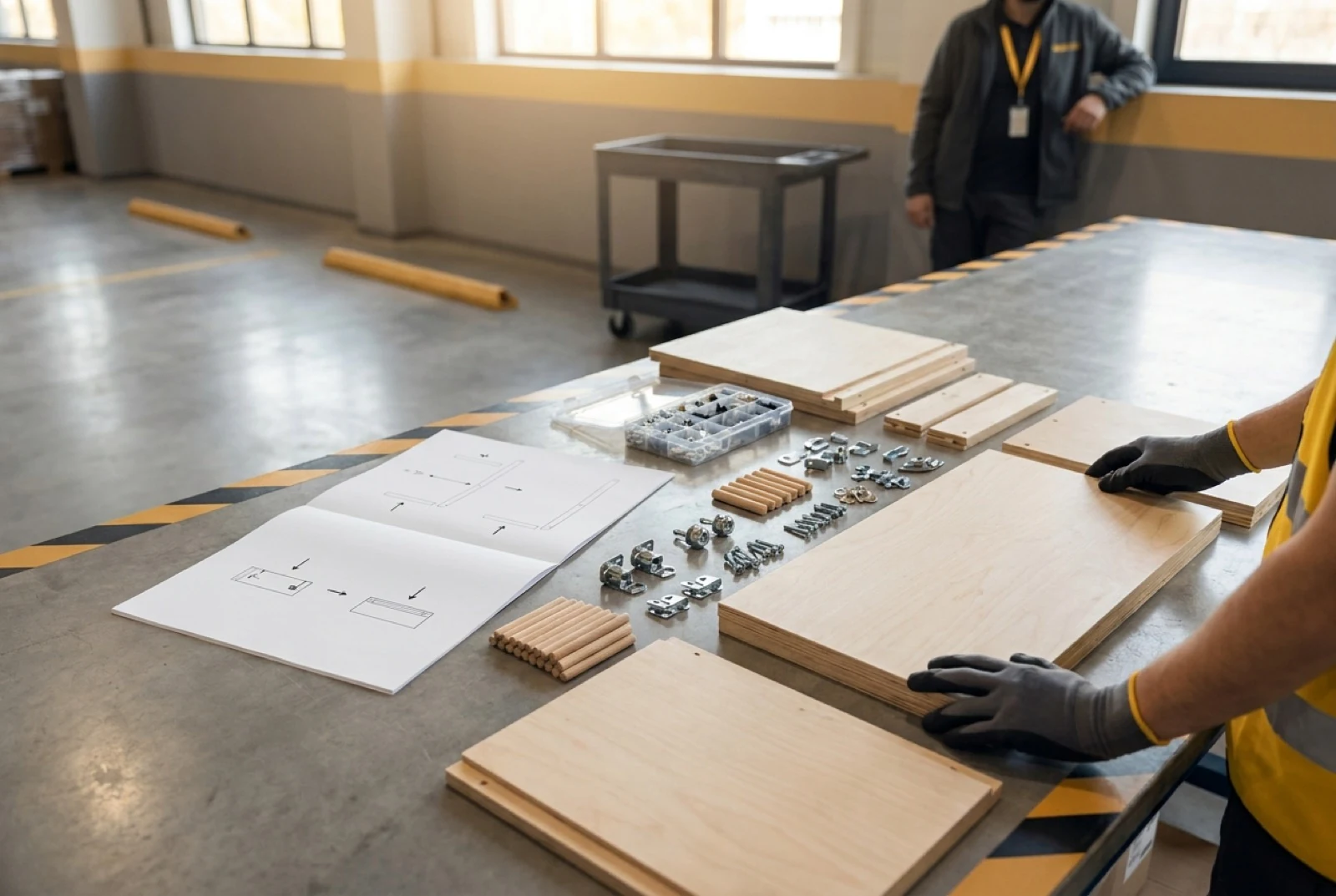
Nowadays, kitting is often used in eCommerce in order to improve the customer experience. For example, let’s say a company sells products that need to be assembled before they can be used (e.g., furniture, bicycles, etc.).
In this case, they could ship the product to the customer in a kit form and include assembly instructions. This would not only save on shipping costs, but it would also allow the customer to get the product up and running faster.
Another example is subscription boxes. In this case, the company curates a selection of products (e.g., clothes, makeup, snacks, etc.) that are then shipped to the customer on a monthly basis. This is a great way to increase customer loyalty and retention as it provides convenience and value.
In Manufacturing and Distribution
Kitting is also commonly used in manufacturing and distribution. For example, let’s say you run a business that sells parts for cars. In this case, you could create kits of all the parts needed to change a specific car part (e.g., brakes, tires, etc.). This would not only save on inventory and packaging costs, but it would also allow the customer to complete the repair faster.
Another example of how kitting can be used in manufacturing and distribution is when companies need to ship products that are sensitive to damage (e.g., electronics, glassware, etc.). In this case, the company could create a kit that includes all the necessary packaging and cushioning to ensure that the product arrives at its destination safely.
Why Outsource Kitting?
There are many benefits and reasons why a company might choose to outsource this process. Some of the most common benefits include:
-
Kitting can be done at the time of ordering. This helps companies avoid items being tied up in kits that cannot be sold individually.
-
Keeps the contents of kits fresh.
-
Makes it easier to change kit contents as needed.
-
Allows companies to sell each item individually. For example, if a customer only needs one component of a kit, they can purchase that item separately instead of having to buy the entire kit.
-
Fewer shipping mistakes.
-
Cost savings.
The bottom line is that outsourcing kitting can help save time and money that can be better spent on other areas of the business.
How to Increase Revenue by Offering This Value-Added Service
One-way 3PLs can increase revenue is by offering kitting as a value-added service. This is because you can charge extra for performing kitting for your customers. This additional fee can be used to cover the cost of materials, labor, and overhead associated with kitting.
You can offer kitting on-demand as orders come in or choose to keep a small number of kits pre-assembled. If you have some kits pre-assembled, you will need to remember this when reporting to the customer on inventory levels, as some items could be counted as part of a kit and overlooked as part of the item’s total inventory. The right WMS software will help you avoid under- and over counting by keeping everything organized.

Kitting Software: How Cadre Technologies’ WMS Software Can Help
Cadre Technologies’ warehouse management system software has the flexibility your warehouse needs to offer kitting. Our software can be easily configured to support different pricing models, including those associated with kitting. This makes it easy for companies to offer it as a value-added service and increase their revenue and customer satisfaction. Both kit to stock (via work orders) or kit to order are supported.
In addition, our software can also help companies manage the inventory of their kits. This includes keeping track of kit contents, expiration dates, and locations. Our software can also generate reports that show how well a company’s kitting operation is performing. This information can be used to make changes to the kitting process and improve efficiency.
If you’re interested in learning more about how Cadre Technologies can help your company grow, please contact us today. We would be happy to discuss our software and how it can benefit your business.
Conclusion
If you are a 3PL provider or warehouse manager looking to increase your revenue, we encourage you to consider using kitting. With the right software in place, you can add it as a lucrative value-added service.
Contact us today to learn more about how our WMS software can help your business grow.
Frequently Asked Questions:
What’s the Difference Between Kitting vs Assembly Process?
Kitting and assembly services are similar but there are a few key differences between the two processes.
-
First, kitting generally refers to the creation of a kit at the time of order, while assembly usually refers to the creation of a product from individual components that are already in stock.
-
Second, kitting is typically used when products are being shipped to customers, while assembly is usually used when products are being shipped to manufacturers and retailers.
-
Finally, kitting at the manufacturing level requires less labor and time than assembly, as kits can be created quickly and easily with the help of machines.
What’s the Difference Between Kitting and Bundling?
Kitting and bundling are often confused, but there are a couple of key differences between the two.
-
First, kitting generally refers to the creation of a kit at the time of order, while bundling usually refers to the sale of products that are already in stock.
-
Second, kitting is typically used when products are being shipped to customers, while bundling is usually used when products are being shipped to retailers.
What Software Do I Need for Kitting?
Cadre Technologies’ WMS software is designed to help companies manage their kitting operations. We do this by supporting different operating and pricing models, managing kit inventory, and generating reports.
What is the Kitting Process?
The kitting process generally refers to the creation of a kit at the time of order. This helps companies avoid items being tied up in kits that cannot be sold individually. It keeps the kit contents fresh, and the company can more easily change kit contents as needed.
What’s an Example of the Kitting Fulfillment Process?
-
A customer places an order for a kit online or over the phone.
-
The order is received by the warehouse and is queued for picking.
-
A picker pulls the items from inventory and assembles them into a kit.
-
The kit is then checked for accuracy and quality control purposes.
-
Once it passes inspection, the kit is packed and shipped to the customer.
-
The customer receives the kit and enjoys their new product.