









The Ultimate Guide to Warehouse Safety: Best Practices and Regulations
By Daryl Grove · May 24, 2023 · 25 min read
Warehouse safety is of utmost importance in maintaining a healthy and productive work environment for employees. Accidents and injuries in warehouses can lead to costly downtime, legal complications, and a negative impact on the company’s reputation. Therefore, understanding and implementing warehouse safety procedures and best practices is crucial for every organization.
In this comprehensive guide, we will cover various aspects of warehouse safety, including the importance of safety in a warehouse, safety standards, personal protective equipment, occupational safety, fire safety, and more.
Why is Safety Important in a Warehouse?
Safety in a warehouse is vital to ensure the well-being of employees, protect valuable assets, and maintain efficiency in operations. A safe warehouse environment can lead to:
Improved Employee Morale and Productivity
A safe warehouse environment can boost employee morale, as warehouse workers will feel more secure and cared for by the organization. This, in turn, can lead to increased productivity, as warehouse employees are more likely to be focused and engaged in their work when they feel safe.
Reduced Absenteeism and Turnover
A workplace with a strong safety culture tends to experience lower levels of absenteeism and employee turnover. When warehouse employees feel that their well-being is a priority, they are less likely to miss work due to injuries or illnesses and more likely to stay with the company long-term.
Lower Insurance Premiums and Workers’ Compensation Costs
By maintaining a safe warehouse environment and reducing the frequency of accidents and injuries, businesses can potentially lower their insurance premiums and workers’ compensation costs. This can result in significant cost savings for the organization.
Compliance with Regulatory Requirements
Warehouses must comply with various safety regulations and standards, such as OSHA and state regulations in the United States. Ensuring a safe work environment helps organizations avoid fines and penalties for non-compliance, as well as the potential for legal action and liability.
Enhanced Company Reputation
A strong commitment to warehouse safety can enhance a company’s reputation among customers, suppliers, and potential employees. Companies that prioritize safety are often seen as responsible and trustworthy, which can contribute to their overall success and profitability.
Warehouse Safety Standards
To maintain a safe warehouse environment, it is essential to follow industry standards and regulations. Some of the key warehouse safety standards include:
OSHA Warehouse Regulations
The Occupational Safety and Health Administration (OSHA) is the primary regulatory body for workplace safety in the United States. OSHA has established numerous regulations related to warehouse safety, covering areas such as walking-working surfaces, personal protective equipment, material handling, powered industrial trucks, and hazard communication. Compliance with these regulations is essential for maintaining a safe warehouse environment and avoiding penalties.
Some key OSHA regulations that apply to warehouses include:
-
29 CFR 1910.22 – Walking-Working Surfaces.
-
29 CFR 1910.132 – Personal Protective Equipment (PPE).
-
29 CFR 1910.176 – Handling Materials.
-
29 CFR 1910.178 – Powered Industrial Trucks.
-
29 CFR 1910.1200 – Hazard Communication.
Key Components of an OSHA Warehouse Safety Checklist
The OSHA warehousing guidance works best as a roadmap rather than a box-checking exercise. Each requirement reflects lessons learned from real workplace incidents, and breaking the checklist into manageable components makes it far easier to prioritize safety efforts and allocate resources. The critical categories include:
-
Emergency exits and egress: Every worker needs clear, unobstructed access to emergency exits from any point in the facility. Keep exits properly marked, make sure doors open outward, keep aisles free of obstructions, and provide adequate emergency lighting. Many violations happen simply because inventory gradually encroaches on exit pathways.
-
Fire safety systems: Fire extinguishers must be rated for warehouse hazards, mounted at appropriate heights, and inspected regularly. Sprinkler systems need annual professional inspections, and storage that blocks sprinkler coverage is a serious violation. Your fire safety plan should name evacuation routes, assembly points, and designated fire wardens for each shift.
-
Hazardous materials handling: Proper labeling, storage, and handling of chemicals prevents exposure injuries and environmental contamination. Safety Data Sheets must be readily accessible to every worker who might encounter these materials, and storage areas need ventilation, containment measures, and clear signage.
-
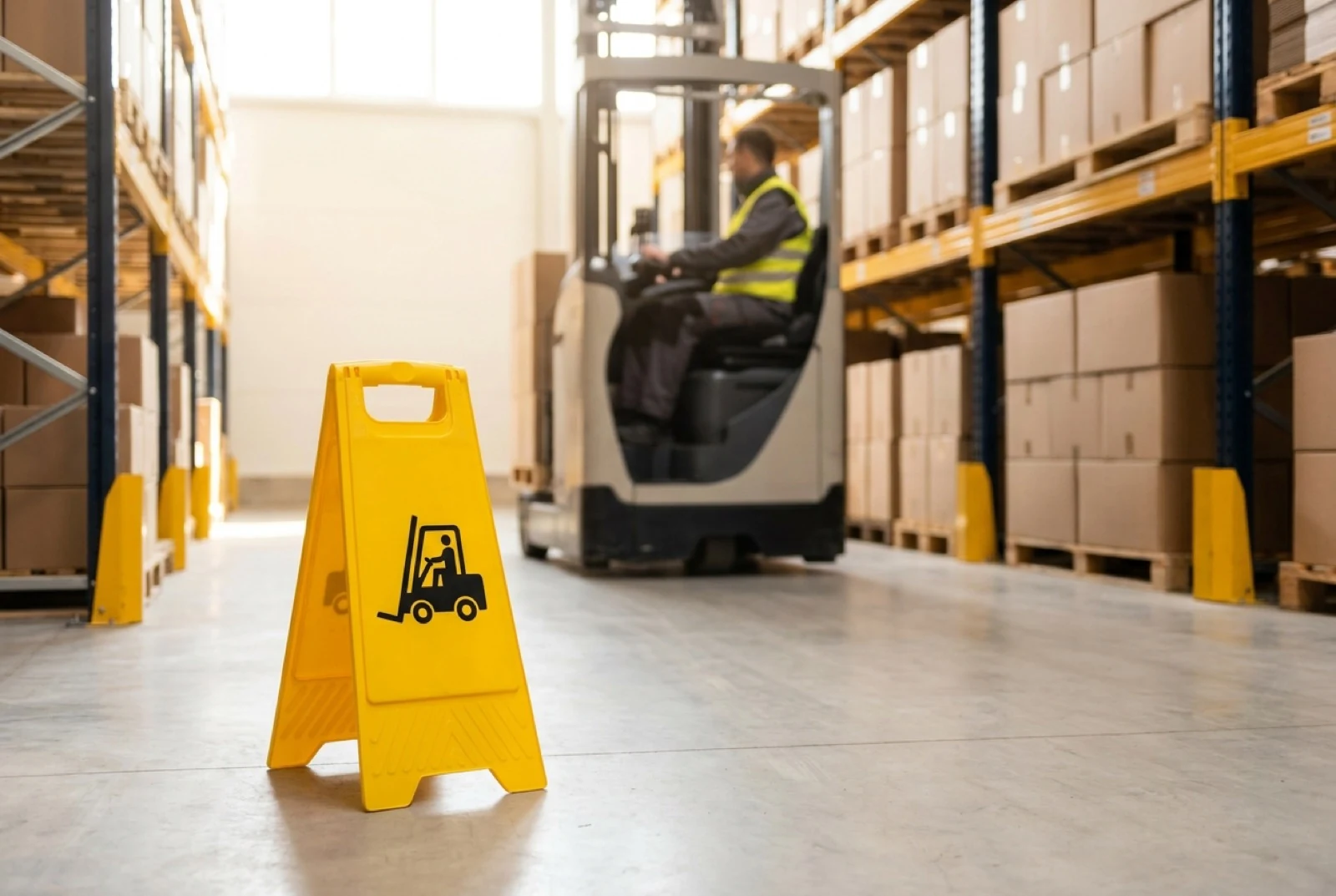
Powered industrial truck safety: OSHA requires operator certification, daily equipment inspections, speed limits, and designated pedestrian zones. Facilities should also maintain clear sight lines at intersections and implement horn-use protocols.
-
Racking and storage systems: Post weight limits and verify rack stability.
-
Lockout/tagout: Put lockout/tagout procedures in place for all equipment maintenance.
Review your compliance against the checklist monthly at minimum, with more frequent spot checks for high-risk areas. Treating compliance as an ongoing process rather than an annual audit is proactive risk management that protects both workers and the bottom line.
ANSI/ASSP Z359.1 – Safety Requirements for Personal Fall Arrest Systems
The American National Standards Institute (ANSI) and the American Society of Safety Professionals (ASSP) have developed the Z359.1 standard, which outlines safety requirements for personal fall arrest systems, including harnesses, lanyards, and anchorages. Warehouses that require employees to work at heights should implement fall protection measures that meet or exceed these safety requirements.
NFPA 13 – Standard for the Installation of Sprinkler Systems
The National Fire Protection Association (NFPA) has developed the NFPA 13 standard, which specifies the minimum requirements for the design and installation of fire sprinkler systems in warehouses and other structures. Properly designed and installed sprinkler systems can help prevent fires from spreading and minimize property damage and injuries in the event of a fire.
ISO 45001 – Occupational Health and Safety Management System
The International Organization for Standardization (ISO) has developed the ISO 45001 standard for occupational health and safety management systems. This standard provides a framework for organizations to develop, implement, and maintain a comprehensive safety management system that can help reduce workplace hazards and improve overall safety performance. Adopting this standard can demonstrate a commitment to warehouse safety and contribute to a safer work environment.
Warehouse Safety Procedures
Effective warehouse safety procedures play a significant role in reducing accidents and ensuring a safe work environment. Some essential procedures include:
Implementing a Comprehensive Warehouse Safety Program
A comprehensive safety program should encompass all aspects of warehouse operations, including hazard identification, risk assessment, and control measures. This program should be regularly reviewed and updated to reflect changes in operations, equipment, or regulations.
Conducting Regular Safety Training and Drills
Training employees on safety procedures, equipment use, and hazard recognition is essential for maintaining a safe warehouse environment. Regular safety drills, such as fire and emergency evacuation drills, can help ensure employees are prepared to respond effectively in case of an emergency.
Establishing Clear Communication Protocols
Clear communication is crucial for maintaining worker safety in a warehouse. Establish protocols for reporting hazards, near-misses, and incidents, as well as for sharing safety information and updates with employees.
Performing Routine Safety Inspections and Audits
Regular safety inspections and audits can help identify potential hazards and areas for improvement. These inspections should be conducted by knowledgeable personnel and should cover all aspects of warehouse operations, including equipment, storage, housekeeping, and work practices.
Identifying and Addressing Potential Hazards
Proactively identifying and addressing potential hazards is critical for preventing accidents in the warehouse. Encourage employees to report hazards and implement a process for evaluating and addressing reported concerns in a timely manner.
Personal Protective Equipment (PPE) in Warehouses
Personal Protective Equipment (PPE) is a crucial component of warehouse safety procedures. Providing appropriate PPE and ensuring employees wear them properly can significantly reduce the risk of injuries. Some common types of PPE used in warehouses include:
-
Safety footwear: Steel-toed boots or shoes protect warehouse employees from falling objects, punctures, and slips.
-
Protective eyewear: Safety glasses or goggles protect workers’ eyes from debris, chemicals, and other hazards.
-
Gloves: Protective gloves shield hands from cuts, abrasions, and chemical exposure.
-
Hearing protection: Earplugs or earmuffs protect employees from excessive noise levels, which can cause long-term hearing damage.
-
Hard hats: These provide protection against falling objects, bumps, and electrical hazards.
-
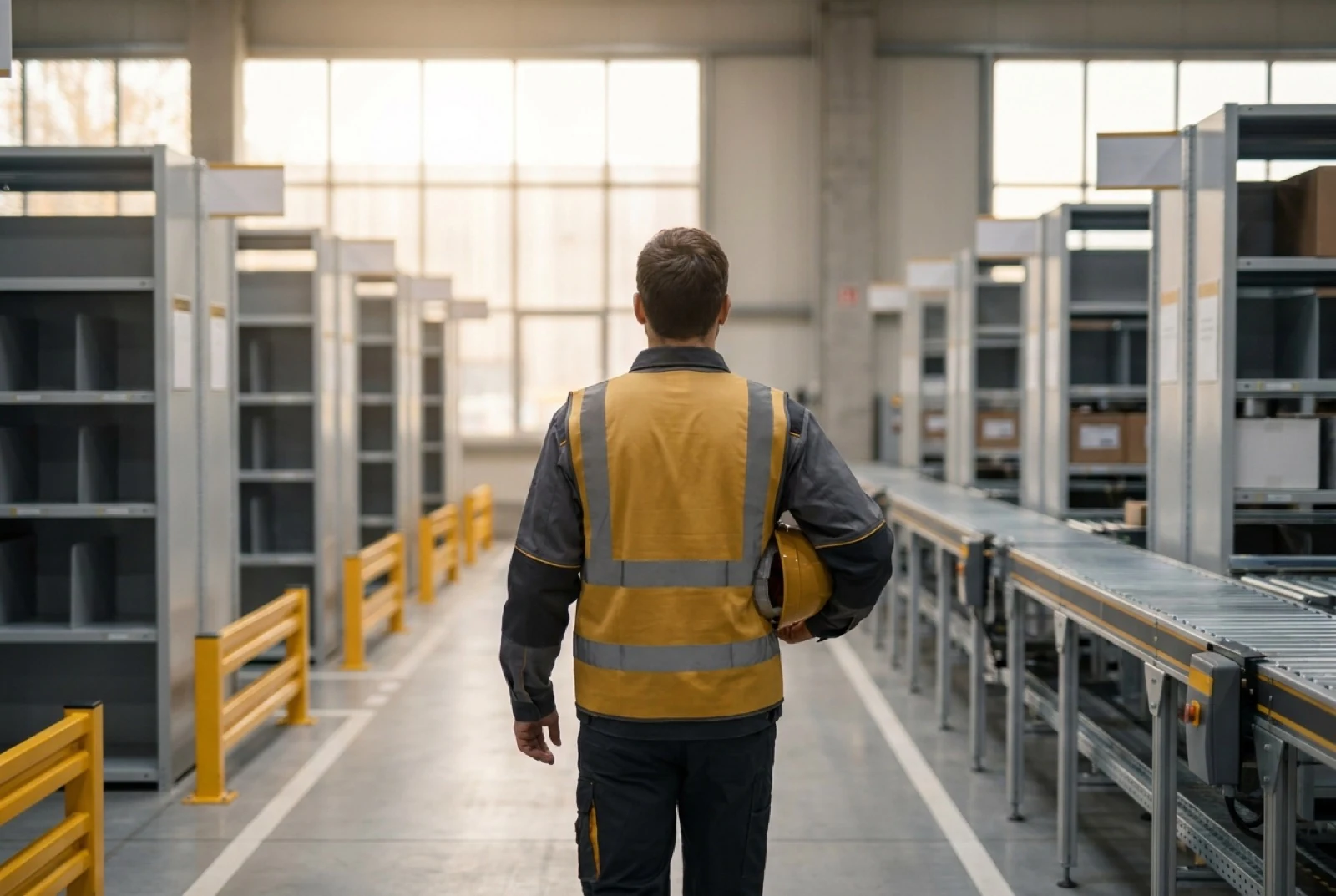
High-visibility clothing: Reflective vests or jackets make employees more visible, reducing the risk of accidents involving vehicles or machinery.
Training warehouse employees on the proper use, maintenance, and disposal of PPE is crucial to ensure its effectiveness. Regularly inspect PPE for damage or wear and replace it as necessary.
PPE is the last line of defense when engineering controls and administrative procedures cannot eliminate a hazard entirely, so requirements should match actual hazards rather than a generic standard. Conduct a hazard assessment for each job function and specify PPE accordingly: workers handling chemicals need different protection than forklift operators. Workers who understand why specific equipment protects them are also far more likely to wear it consistently. Facilities handling temperature-sensitive inventory, such as those using cold storage management systems, should also provide PPE for cold exposure, including insulated gloves, jackets, and footwear suited to slippery surfaces.
Occupational Safety in Warehouses
Occupational safety in warehouses involves implementing measures to protect employees from work-related hazards and ensuring compliance with relevant regulations. Some key aspects of occupational safety in warehouses include:
-
Ergonomics: Implement solutions that incorporate proper ergonomics to reduce the risk of musculoskeletal disorders caused by repetitive motions, awkward postures, or heavy lifting. Examples include adjustable workstations, proper lifting techniques, and frequent breaks for employees.
-
Chemical safety: Store and handle hazardous materials according to regulatory requirements and manufacturer recommendations. Train employees on the proper handling, storage, and disposal of chemicals, and provide appropriate PPE.
-
Electrical safety: Ensure all electrical installations and equipment meet applicable codes and standards. Train employees on electrical safety procedures, such as lockout/tagout, and how to respond to electrical emergencies.
-
Fall protection: Implement fall protection measures, such as guardrails, safety nets, or personal fall arrest systems, for employees working at heights. Train employees on the proper use of fall protection equipment and conduct regular inspections to ensure its effectiveness.
-
Vehicle and equipment safety: Train employees on the safe operation of vehicles and equipment, such as forklifts and pallet jacks. Establish traffic management plans and enforce vehicle maintenance schedules to reduce the risk of accidents.
By incorporating these elements into warehouse safety procedures, operators can create a safer work environment and promote occupational safety in warehouse operations.
Fire Safety in Warehouses
Fire safety is a critical concern in warehouses due to the potential for significant property damage, injuries, and even fatalities. Key elements of fire safety in warehouses include:
-
Fire detection and suppression systems: Install fire alarms, smoke detectors, and sprinkler systems to provide early warning and control fires.
-
Fire extinguishers: Provide accessible fire extinguishers throughout the warehouse and train employees on their proper use.
-
Emergency exits and routes: Ensure that emergency exits are clearly marked, unobstructed, and easily accessible. Establish and maintain clear emergency routes for evacuation.
-
Fire safety training: Provide regular fire safety training for employees, including the use of fire extinguishers and evacuation procedures.
-
Proper storage and handling of flammable and combustible materials: Store flammable and combustible materials in designated areas, away from ignition sources, and follow proper handling procedures.
By implementing these fire safety measures, warehouse operators can help prevent fires, minimize damage, and protect employees in the event of a fire.
Warehouse Safety Policy and Procedures
A well-defined warehouse safety policy is crucial for setting expectations and providing guidance to employees. Key elements of a warehouse safety policy should include:
Management Commitment to Safety
The safety policy should emphasize management’s commitment to maintaining a safe work environment and outline the responsibilities of managers and supervisors in supporting safety initiatives.
Employee Responsibilities and Accountability
The policy should clearly define the safety responsibilities of all employees, including following safety procedures, wearing required PPE, and reporting hazards or incidents. Employees should also be held accountable for their safety performance through regular evaluations and disciplinary actions, as needed.
Hazard Identification, Assessment, and Control
The safety policy should outline the process for identifying, assessing, and controlling hazards in the warehouse. This includes conducting regular risk assessments, implementing control measures, and evaluating the effectiveness of these measures.
Training and Competency
The safety policy should emphasize the importance of safety proper training for all employees and outline the requirements for maintaining competency in their respective roles. This includes providing initial training for new employees, ongoing refresher training, and specialized training for specific tasks or equipment.
Incident Reporting and Investigation
The safety policy should establish procedures for reporting and investigating incidents, including near-misses, accidents, and injuries. Investigations should aim to identify the root causes of incidents and develop corrective actions to prevent recurrence.
Emergency Preparedness and Response
The safety policy should include provisions for emergency preparedness and response, such as developing and maintaining an emergency response plan, conducting regular emergency drills, and ensuring that employees are trained in emergency procedures.
Warehouse Safety Best Practices
Implementing warehouse safety best practices can help reduce the risk of accidents and create a safer work environment. Some key best practices include:
Maintain a Clean and Organized Warehouse
Good housekeeping is essential for preventing slips, trips, and falls. Keep aisles and walkways clear of debris and clutter, and ensure that materials are stored properly to prevent falling objects.
Implement Clear Signage and Markings
Use signage and markings to clearly indicate hazards, such as forklift traffic zones, pedestrian walkways, and storage areas for hazardous materials. Ensure that signs are visible and easy to understand.
Develop and Enforce Safety Rules and Procedures
Establish and enforce safety rules and procedures for all warehouse operations, from material handling to equipment use. Ensure that employees are trained on these rules and procedures and held accountable for following them.
Provide Appropriate Personal Protective Equipment (PPE)
Ensure that employees have access to and use the appropriate PPE for their tasks, such as safety glasses, gloves, hard hats, and steel-toed shoes. Train employees on the proper use and maintenance of PPE.
Promote a Safety-First Culture
Encourage a safety-first culture by involving employees in safety initiatives, recognizing and rewarding safe behaviors, and fostering open communication about safety concerns.
Warehouse Rules and Regulations Sample
A sample set of warehouse rules and regulations might include:
-
Follow all safety procedures and guidelines, as outlined in the safety policy and training materials.
-
Wear required PPE at all times while in the warehouse.
-
Report any hazards, near-misses, or incidents to a supervisor immediately.
-
Keep aisles, walkways, and workspaces clean and free of debris and clutter.
-
Use proper lifting techniques and equipment when handling materials.
-
Operate equipment and machinery only if properly trained and authorized.
-
Do not block emergency exits, fire extinguishers, or safety equipment.
-
Follow proper procedures for handling and storing hazardous materials.
-
Participate in safety training and drills as required.
Warehouse Hazards
Identifying and addressing warehouse hazards is essential for maintaining a safe work environment. Some common warehouse hazards include:
-
Slips, trips, and falls.
-
Falling objects and materials.
-
Forklift and vehicle accidents.
-
Manual handling and ergonomic hazards.
-
Chemical and hazardous substance exposure.
-
Fire and explosion risks.
-
Electrical hazards.
-
Noise and vibration hazards.
-
Confined spaces and poor ventilation.
Common Hazards and Prevention Strategies
A few of these hazards account for most warehouse injuries, so they deserve the most attention:
-
Slips, trips, and falls: Wet floors, debris in aisles, uneven surfaces, and poor lighting all contribute. Prevention requires ongoing housekeeping, immediate cleanup of spills, lighting maintenance, and clear walkway markings.
-
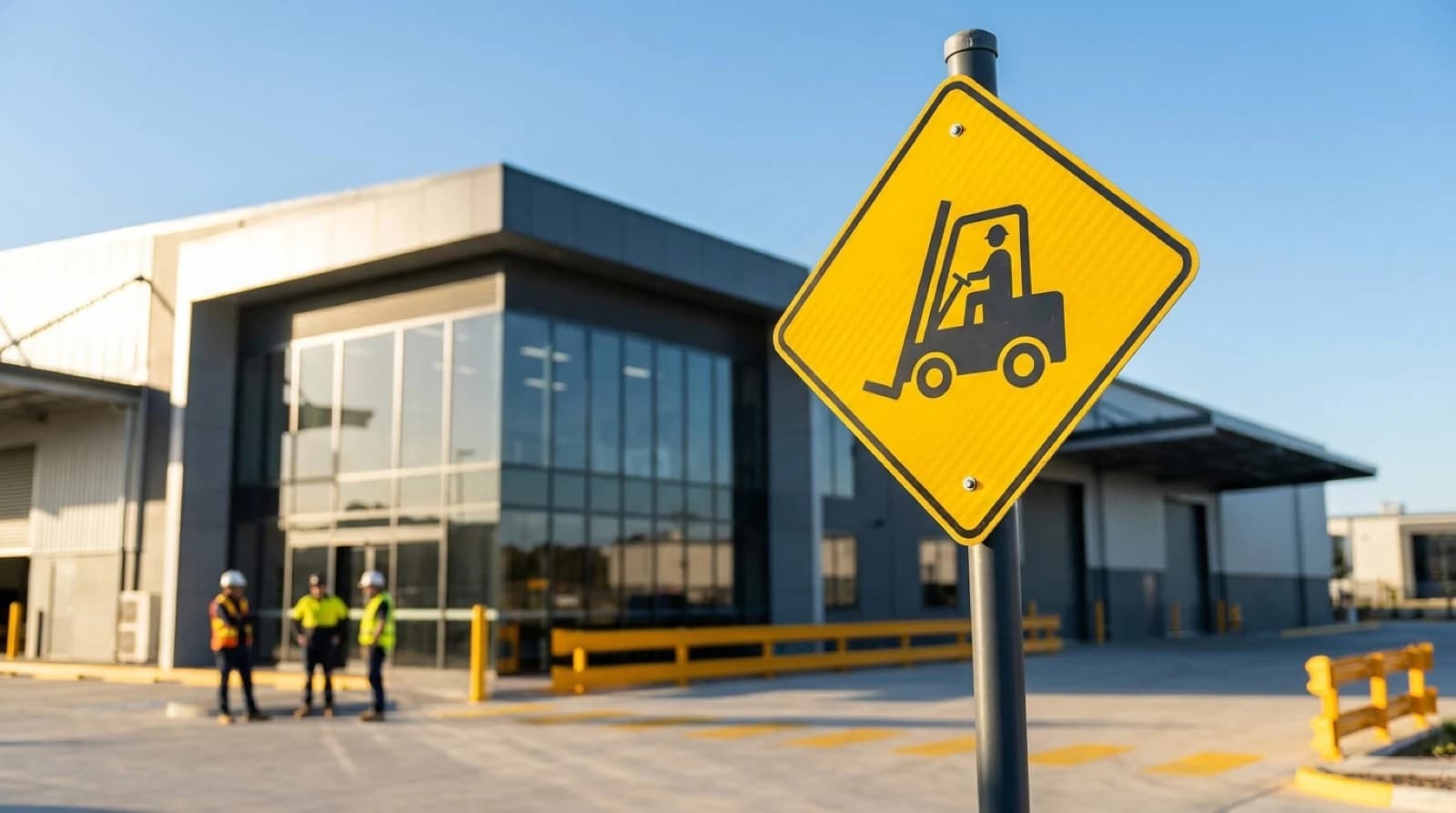
Forklift incidents: These cause some of the most severe warehouse injuries, including fatalities. Pedestrian awareness, operator certification, speed management, and clear traffic patterns reduce the risk substantially, and many facilities add physical barriers between forklift traffic and walking areas where feasible.
-
Improper lifting: Musculoskeletal injuries may develop gradually but lead to significant lost time and long-term disability. Train workers on lifting technique, provide mechanical assistance for heavy loads, and rotate physically demanding tasks. This is particularly important in warehouse receiving operations, where workers handle incoming shipments repeatedly.
-
Falling objects: Proper racking installation, weight limit enforcement, and hard hats in designated areas all reduce this hazard. Inspect racking regularly for damage or instability.
-
Repetitive motion injuries: Ergonomic workstation design, task rotation, and regular breaks help prevent these cumulative trauma disorders.
Keep in mind that risk profiles differ by facility. A cold storage operation faces different challenges than a distribution center handling small parcels, even though both must address the same core fundamentals.
Steps to Creating a Safe Warehouse
As we’ve discussed, creating a safe warehouse involves implementing various safety measures and best practices to minimize risks and protect employees. Some key elements of a safe warehouse include:
Well-Designed Layout
A well-designed warehouse layout can help prevent accidents by providing clear pathways for pedestrian and vehicle traffic, adequate space for material handling, and proper storage areas for different types of materials.
Comprehensive Warehouse Safety Programs
A comprehensive warehouse safety program should cover all aspects of warehouse operations, from hazard identification and control to employee training and incident reporting.
Employee Training and Competency
Ensure that all employees are properly trained in safety procedures, hazard recognition, and the safe use of equipment and materials. Regular refresher training and specialized training for specific tasks can help maintain employee competency and reduce the risk of accidents.
Personal Protective Equipment (PPE)
Provide employees with the appropriate PPE for their tasks and ensure they are trained in its proper use and maintenance. PPE can help protect employees from various hazards, such as falls, impacts, and exposure to hazardous substances.
Emergency Preparedness and Response
Develop and maintain an emergency response plan, and ensure that employees are trained in emergency procedures. Regular emergency drills can help ensure employees are prepared to respond effectively in case of an emergency.
Owning a Warehouse
Owning a warehouse comes with significant safety responsibilities, including ensuring compliance with regulations, maintaining a safe work environment, and providing adequate resources for safety initiatives. Warehouse owners should prioritize safety in their operations and promote a safety-first culture to minimize risks and protect employees.
Warehouse Safety Inspections
Regular warehouse safety inspections are crucial for identifying potential hazards, ensuring compliance with regulations, and promoting a safe work environment. Key aspects of warehouse safety inspections include:
-
Inspection frequency: Conduct safety inspections at regular intervals, such as monthly or quarterly, depending on the size and complexity of your warehouse operations.
-
Inspection scope: Inspections should cover all aspects of warehouse operations, including storage and handling of materials, equipment maintenance, housekeeping, and employee work practices.
-
Inspection checklists: Use standardized checklists to guide your inspections and ensure consistency in identifying hazards and assessing safety performance.
-
Inspection personnel: Assign knowledgeable personnel to conduct safety inspections, such as safety managers or external safety consultants.
-
Follow-up actions: Address identified hazards and issues promptly, and implement corrective actions to prevent recurrence. Document inspection findings and track progress in addressing safety concerns.
By conducting regular safety inspections, warehouse operators can proactively identify and address potential hazards, helping to prevent accidents and maintain a safe work environment.
Warehouse Safety Training
Effective safety training is essential for ensuring that employees understand their safety responsibilities and are competent in their tasks. Key aspects of warehouse safety training include:
-
Initial safety orientation: Provide new employees with an orientation on warehouse safety, including safety rules and procedures, hazard recognition, and the use of PPE.
-
Task-specific training: Provide specialized training for employees who perform specific tasks, such as forklift operators, handling hazardous materials, or working in confined spaces.
-
Refresher training: Conduct regular refresher training to reinforce safety knowledge and skills, and to keep employees up-to-date on changes in safety procedures or regulations.
-
Emergency response training: Train employees in emergency procedures, such as evacuations, fire extinguisher use, and first aid.
-
Training records: Maintain records of employee safety training, including dates, topics covered, and trainer information.
By providing comprehensive safety training and ensuring employee competency, warehouse operators can reduce the risk of accidents and create a safer warehouse work environment.
Developing a Training Schedule
The most common mistake in safety training is treating it as a one-time orientation event. Workers retain information best when it relates directly to their daily tasks and when they have a chance to practice it, so spread new-hire training across the first several days and pair new workers with experienced mentors. When new equipment or procedures are introduced, training must happen before workers begin using them, not after. Consider structuring your schedule around these timeframes:
-
Day one: Emergency procedures, PPE requirements, and immediate hazard awareness
-
First week: Equipment-specific training for assigned duties
-
First month: Comprehensive facility orientation and hazard communication training
-
Quarterly: Refresher sessions on rotating safety topics
-
Annually: Complete review of all safety procedures and certification renewals
Refresher sessions do not need to be lengthy. Focused 30-minute sessions on specific topics often prove more effective than marathon training days.
Evaluating Training Effectiveness
Training that does not change behavior wastes everyone’s time. Measure effectiveness in three ways:
-
Direct observation: Supervisors should watch for proper technique and protocol adherence during daily operations, not just during training exercises.
-
Incident data: Track injuries, near-misses, and unsafe behaviors. A decline after training indicates successful knowledge transfer, while repeated incidents in specific areas point to training gaps.
-
Worker feedback: Surveys and informal conversations reveal whether workers feel prepared and understand why procedures exist, or see safety rules as arbitrary obstacles.
Using warehouse reporting and analytics helps you track safety metrics alongside operational data, giving you a complete picture of how safety performance affects overall facility efficiency.
Warehouse Safety Metrics
Monitoring warehouse safety metrics can help organizations track their safety performance, identify trends, and make data-driven decisions for improving safety. Some common warehouse safety metrics include:
-
Total Recordable Incident Rate (TRIR): The number of recordable incidents (injuries and illnesses) per 100 full-time employees, calculated over a specified period.
-
Lost Time Incident Rate (LTIR): The number of incidents resulting in lost work time per 100 full-time employees, calculated over a specified period.
-
Near-miss reporting rate: The number of near-miss incidents reported by employees, which can help identify potential hazards before they result in accidents.
-
Safety inspection findings: The number of hazards identified during safety inspections, as well as the progress in addressing these findings.
-
Safety training completion rate: The percentage of employees who have completed required safety training.
By monitoring these and other safety metrics, warehouse operators can gain valuable insights into their safety performance and make targeted improvements to reduce the risk of accidents and injuries.
Warehouse Safety Communication
Effective communication is essential for promoting safety awareness and ensuring that employees understand their safety responsibilities. Some strategies for fostering effective safety communication in the warehouse include:
-
Safety meetings: Hold regular safety meetings to discuss safety topics, share updates on safety procedures or regulations, and address employee safety concerns.
-
Safety signage: Use clear and visible safety signage to communicate important safety information, such as hazard warnings, emergency exits, and designated pedestrian walkways.
-
Safety bulletin boards: Provide a central location for posting safety information, such as safety policies and procedures, training schedules, and safety performance metrics.
-
Open-door policy: Encourage open communication between employees and management regarding safety concerns, and provide multiple channels for reporting hazards or incidents.
-
Safety feedback: Solicit employee input on safety initiatives, and involve employees in the development and review of safety policies and procedures.
By fostering effective safety communication, warehouse operators can help ensure that employees are well-informed and engaged in maintaining a safe work environment.
Warehouse Safety Technologies
Leveraging modern technology can help warehouse operators improve safety and reduce the risk of accidents. Some examples of warehouse safety technologies include:
-
Collision avoidance systems: Implement collision avoidance systems on forklifts and other vehicles to help prevent accidents involving pedestrians or other vehicles.
-
Automated guided vehicles (AGVs): Use AGVs to automate material handling tasks, reducing the risk of human error and manual handling injuries.
-
Fall protection systems: Install fall protection systems, such as guardrails or harnesses, to protect employees working at heights.
-
Safety monitoring software: Utilize safety management software to track safety metrics, manage safety inspections and audits, and streamline incident reporting and investigation.
-
Wearable technology: Implement wearable safety devices, such as smart helmets or vests, that can provide real-time feedback on hazardous conditions or worker behavior.
-
Proximity sensors: Fit forklifts and other powered equipment with sensors that detect nearby workers and automatically slow or stop the vehicle.
-
Computer vision systems: Analyze video feeds to detect unsafe behaviors, blocked exits, spills, and other hazards, and alert supervisors immediately rather than waiting for the next inspection round.
-
Exoskeletons: Support proper body mechanics and reduce strain on muscles and joints for workers who perform heavy lifting or repetitive motions.
By incorporating safety technologies into warehouse operations, operators can enhance safety performance and create a safer work environment for employees. Technology supplements fundamental safety practices rather than replacing them, and even the most sophisticated systems still require proper implementation and worker training.
Integrating Technology With Existing Safety Protocols
New safety technology should enhance existing procedures rather than complicate them. Workers need thorough training on any new system, and your procedures must be updated to reflect how the technology changes workflows. Integration through warehouse automation and robotics platforms keeps safety technology working alongside your operational systems instead of creating separate data silos, so you can correlate safety metrics with productivity data.
When evaluating new safety technology, ask:
-
Does this technology address a specific, documented hazard in our facility?
-
Can our workers learn to use it effectively without extensive training?
-
Will it integrate with our existing systems and procedures?
-
What maintenance and support requirements come with it?
-
Does the cost justify the expected safety improvement?
Pilot programs let you evaluate new technology in a limited area before facility-wide rollout. They reveal practical issues that may not be apparent during vendor demonstrations and give workers a chance to provide feedback before you commit significant resources.
Learning From Real-World Safety Improvements
According to industry safety publications, the most effective safety programs share common characteristics: strong management commitment, worker involvement in hazard identification, consistent enforcement, and continuous improvement based on incident data. Two illustrative scenarios show how those principles play out.
Turning OSHA Citations Into a Safety Overhaul
Consider a mid-sized distribution facility cited for blocked emergency exits and inadequate forklift training. Rather than making minimal corrections, management used the citations as a catalyst. A complete facility audit surfaced additional issues that had not yet been flagged, including damaged racking, inadequate aisle markings, and inconsistent PPE use. Forklift operators helped redesign traffic patterns to reduce conflicts with pedestrians, and warehouse workers contributed ideas for keeping aisles clear during busy periods, which built buy-in for the new procedures. Training was rebuilt with documented curricula, regular scheduling, and effectiveness assessments, and supervisors received additional training on enforcement and hazard recognition.
Redesigning Slotting to Reduce Musculoskeletal Injuries
Now imagine a company with high rates of musculoskeletal injuries among order pickers, where lifting technique training alone was not working. A fresh analysis showed the picking process itself created strain: heavy items sat at floor level or above shoulder height because slotting had been optimized for picking efficiency without ergonomic factors. Moving frequently picked heavy items to waist height and lighter items to less accessible locations reduced reaching and bending. Adding job rotation, so no worker spent an entire shift on the same repetitive motions, further reduced cumulative strain, and labor management and reporting tools helped track rotation schedules. Because workers could sustain their effort without pain slowing them down, productivity improved along with safety.
Building a Culture of Continuous Safety Improvement
The most effective safety programs are not static. They evolve continuously based on new hazards, incident data, regulatory changes, and worker feedback.
-
Safety committees: Include workers from various departments and shifts, and give the committee real authority to recommend changes and adequate time to investigate concerns.
-
Blame-free incident investigation: Focus on system failures rather than individual blame. Asking "what caused this" leads to better prevention than asking "who caused this," and workers who fear punishment will hide safety concerns and near-misses.
-
Internal and outside audits: Fresh eyes often spot risks that workers have unconsciously adapted to or that gradual changes have created over time.
-
Visible communication: Post safety metrics, share lessons learned from incidents, and recognize good safety performance so workers see that management genuinely prioritizes their wellbeing.
Conclusion
Warehouse safety is an essential aspect of maintaining a productive and efficient work environment. By understanding the importance of safety, implementing best practices, and complying with relevant regulations, warehouse operators can create a safe and efficient work environment for their employees. This comprehensive guide has provided you with the knowledge and strategies needed to improve warehouse safety and maintain compliance with industry standards. By prioritizing safety and fostering a safety-first culture, your organization can reduce the likelihood of accidents, minimize downtime, and ensure a healthier and more productive workplace.
To learn more about implementing warehouse safety guidelines as well as how Cadre Technologies warehouse management solutions can help you maximize safety and streamline operations in your warehouse, request a demo.
Warehouse Safety Frequently Asked Questions and Answers
In this section, we will address some common questions related to warehouse safety and provide answers and guidance to help improve safety in your warehouse.
What are the common warehouse hazards?
Some common warehouse hazards include:
-
Slips, trips, and falls
-
Falling objects and materials
-
Forklift and vehicle accidents
-
Manual handling and ergonomic hazards
-
Chemical and hazardous substance exposure
-
Fire and explosion risks
-
Electrical hazards
-
Noise and vibration hazards
-
Confined spaces and poor ventilation
How can we prevent accidents in the warehouse?
Preventing accidents in the warehouse involves a combination of proactive measures, including:
-
Implementing a comprehensive safety program
-
Conducting regular safety training and drills for employees
-
Establishing clear communication protocols for reporting and addressing hazards
-
Performing routine safety inspections and audits
-
Identifying and addressing potential hazards before they result in accidents
What is the role of management in warehouse safety?
Management plays a crucial role in warehouse safety by:
-
Demonstrating commitment to safety and leading by example
-
Providing adequate resources for safety initiatives, including training, equipment, and personnel
-
Setting clear expectations for employee safety performance and accountability
-
Encouraging open communication about safety concerns and issues
-
Regularly reviewing safety performance and making improvements as needed
What are some essential warehouse safety tips?
Some essential warehouse safety tips include:
-
Prioritize housekeeping and organization to reduce clutter and trip hazards
-
Ensure proper storage and handling of materials to prevent falling objects and accidents
-
Train employees on the safe use of equipment, tools, and chemicals
-
Use appropriate safety equipment and personal protective equipment (PPE)
-
Establish and enforce safety rules and procedures for all warehouse operations
Why is warehouse safety training important?
Warehouse safety training is crucial for preventing workplace injuries and ensuring compliance with regulations. It educates workers on identifying hazards and using equipment safely. Proper training can reduce accidents and improve overall productivity. Facilities with comprehensive training programs report fewer incidents and lower insurance premiums.
What should be included in warehouse safety training?
Warehouse safety training should include emergency procedures, equipment operation, hazard identification, and hazard communication. These components ensure workers understand potential risks and how to work safely within the warehouse environment. Training should be ongoing to adapt to new regulations and technologies, and regular discussions on safety topics help maintain a culture of safety awareness.
How does an OSHA warehouse safety checklist help?
An OSHA compliance checklist helps ensure compliance with federal safety standards, reducing the risk of accidents. It provides a structured approach to identifying and addressing common warehouse hazards. Regularly reviewing the checklist helps maintain a safe working environment, and facilities that follow it consistently report fewer incidents and lower insurance costs.
How often should OSHA compliance requirements be reviewed?
Review your OSHA compliance requirements at least monthly to ensure ongoing compliance and safety, with more frequent spot checks for high-risk areas. Regular reviews help identify potential hazards before they lead to incidents. Facilities that conduct consistent reviews often report fewer accidents and reduced liability.