Global Logistics Trends: Part 2 – Automation, Robotics, Smart Glasses, and Drones
In the ever-evolving logistics space, technology continues to pave the way for innovative solutions, bringing about new avenues for efficiency and growth. As part of our ongoing series, we now explore the second trend that’s transforming global logistics: the rise of automation, robotics, smart glasses, and drones.
Trend #2: Advancements in Automation, Robotics, Smart Glasses, and Drones
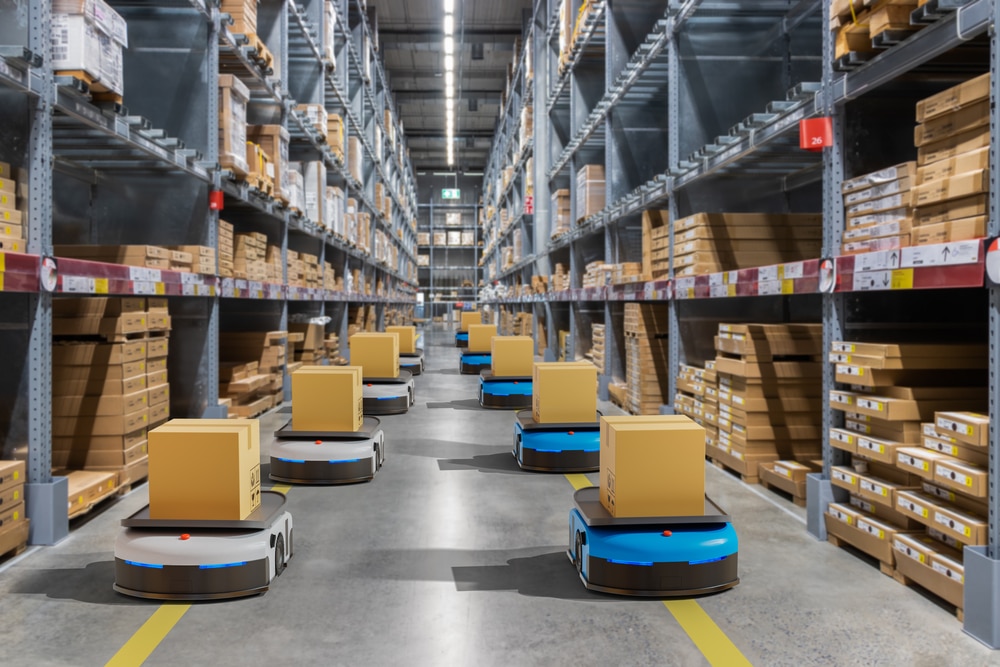
Advancements in warehouse automation and robotics are revolutionizing the way operators manage multi-channel requirements and expedite deliveries. With the potential to bolster same-day or next-day delivery capabilities, these technological solutions provide more than just reduced labor and safety costs. They can also enhance storage density and optimize warehouse footprints.
The advent of smart glasses signifies an innovative, hands-free solution set to increase delivery speed and accuracy. These devices provide users with a visual display of order-picking instructions, item locations, and delivery destinations, resulting in enhanced accuracy rates and decreased training times.
Drones, too, are becoming an integral part of the modern logistics landscape. As a flexible alternative to traditional conveyor systems, drones offer optimized picking routes within your warehouse. By scanning inventory barcodes and RFID tags across vast areas, drones can significantly cut labor costs and better manage time.
Smarter Warehouse Management Starts Here
Cadre WMS delivers real-time visibility, automated workflows, and seamless ERP integration for warehouses of every size.
Request a Demo
Key Takeaway and Action Step:
With the industry’s growing emphasis on automation and digitization, it’s crucial for businesses to adapt and innovate. As an actionable step, evaluate how incorporating technologies like robotics, smart glasses, and drones can enhance your operations.
Experiment with pilot projects to understand their effectiveness and potential ROI. Start small, assess the results, and gradually expand their use as you begin to see the benefits. Remember, it’s not just about adopting technology but about integrating it smoothly into your existing workflows.
How Cadre Can Help
If you’re wondering where to start, Cadre Technologies is here to help. Our warehouse management solutions offer advanced automation capabilities, easing the transition and ensuring you get the most out of these technological investments. Contact our warehouse experts to learn exactly how our software can help your business best incorporate these advances in technology.
Join us next week as we delve into the importance of data transparency in the next installment of this series!
Discover More Global Logistics Trends
If you’re keen on learning more about the changing landscape of global logistics, consider reading the other articles in our series:
Global Logistics Trends, Part 1: Rising Demand for Predictive Analytics
Global Logistics Trends, Part 3: Greater Data Transparency
Global Logistics Trends, Part 4: Navigating the Landscape of Instant Delivery
Frequently Asked Questions
How much do warehouse automation and robotics systems typically cost to implement?
Initial costs vary significantly based on warehouse size and complexity, ranging from tens of thousands to millions of dollars. Factors include equipment type, integration requirements, and customization needs. Many businesses start with pilot projects to test ROI before full implementation. Consider leasing options and phased rollouts to manage upfront investment while evaluating long-term savings from reduced labor costs and improved efficiency.
What training is required for workers to use smart glasses effectively?
Smart glasses typically require minimal training due to their intuitive design and visual instruction format. Most workers become proficient within 1-2 days compared to traditional training that can take weeks. The hands-free interface and real-time visual guidance reduce learning curves significantly. Basic orientation covers device operation, following visual prompts, and troubleshooting common issues.
Are there regulatory restrictions on using drones inside warehouses?
Indoor warehouse drone operations face fewer regulatory restrictions than outdoor flights since they don’t fall under FAA airspace regulations. However, OSHA safety requirements still apply for worker protection. Companies must ensure proper safety protocols, staff training, and collision avoidance systems. Local building codes and insurance policies may also have specific requirements for indoor drone operations.
How do automated systems integrate with existing warehouse management software?
Modern automated systems typically integrate through APIs and standardized protocols that connect with existing WMS platforms. Most solutions offer pre-built connectors for popular warehouse management systems. Integration involves data synchronization for inventory tracking, order processing, and real-time status updates. Professional implementation services often handle the technical integration to ensure seamless workflow continuity and data accuracy.
What happens if automated warehouse equipment breaks down during peak seasons?
Successful automation strategies include redundancy planning and rapid response protocols for equipment failures. Most systems have backup units, manual override capabilities, and 24/7 technical support contracts. Preventive maintenance schedules help minimize unexpected downtime. Companies often maintain hybrid operations where human workers can temporarily cover automated functions during repairs, ensuring continued operations during critical periods.