What is 3PL? Discover the Essential Guide
Reading Time: 13 minutes
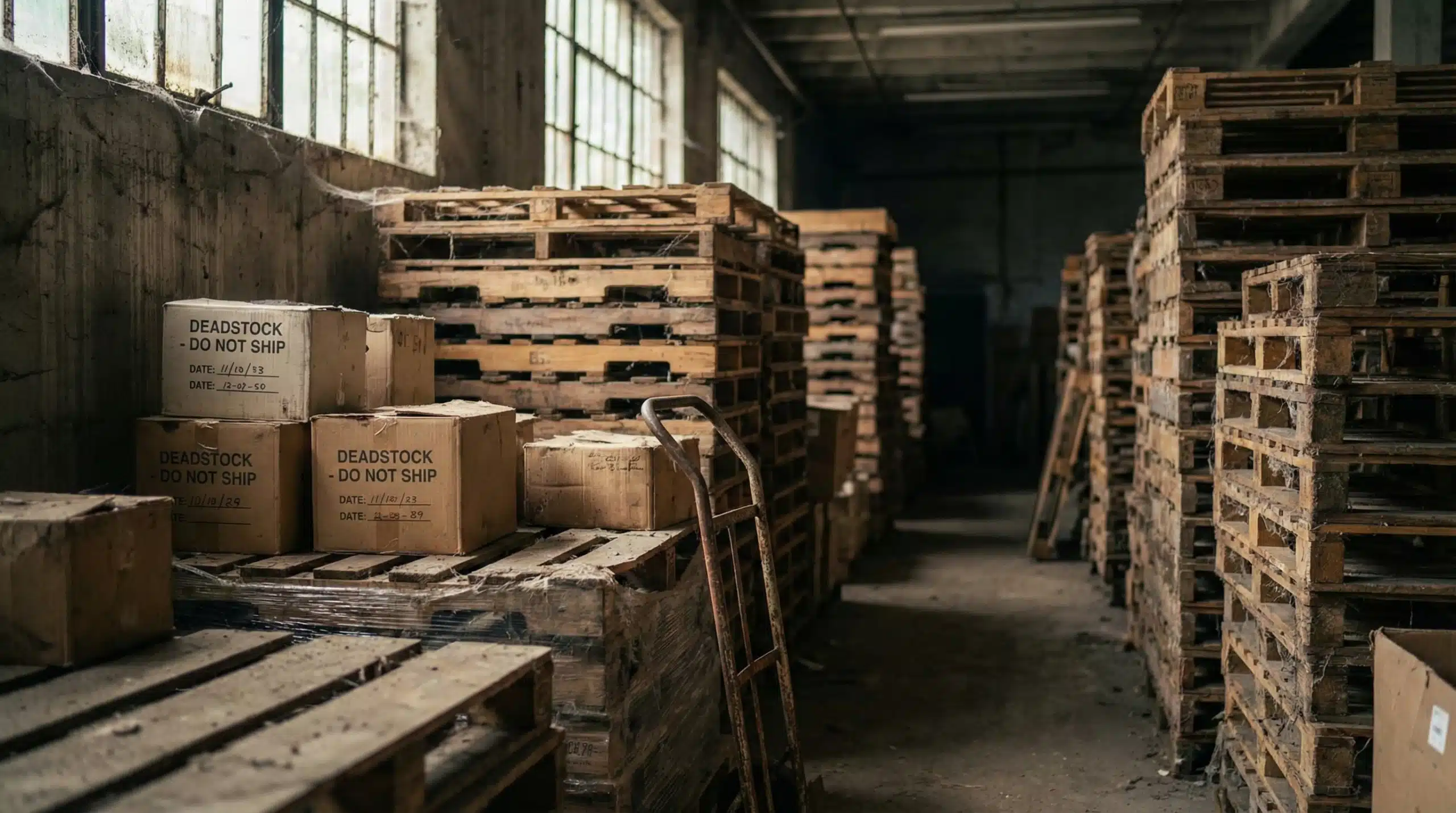
You know the feeling. Orders are piling up, your warehouse team is stretched thin, and you’re wondering if there’s a better way to handle all these logistics headaches. Maybe you’ve heard the term “3PL” thrown around in industry conversations and thought, “Is this the solution we’ve been missing?” You’re not alone – thousands of businesses face this exact crossroads every year. Understanding the 3PL meaning and exploring third party logistics examples could be the first step toward transforming your operations. So, what is a 3PL warehouse, and why are so many companies turning to these providers for relief? Let’s break it down together.
Whether you’re a logistics manager drowning in operational complexity or a business owner trying to scale without breaking the bank, the decision to partner with a third-party logistics provider deserves careful consideration. We’ve worked with countless organizations facing these exact challenges, and we understand the hesitation. Handing over a critical piece of your business to an outside partner feels risky. But here’s what we’ve learned: when done right, 3PL partnerships don’t just solve problems – they create opportunities you didn’t know existed.
Introduction to 3PL: Understanding the Basics
Picture this scenario: your business is growing faster than expected, and suddenly your in-house logistics operation can’t keep up. Sound familiar? This is exactly where third-party logistics enters the picture. At its core, 3PL refers to outsourcing logistics and supply chain functions – like warehousing, transportation, and distribution – to a specialized external provider.
Think of it as hiring experts to handle what they do best, so you can focus on what you do best. Instead of investing millions in warehouse space, technology, and trained staff, you tap into existing infrastructure and expertise. The concept isn’t new, but the sophistication of modern 3PL services has evolved dramatically over the past two decades.
The basic premise works like this: a 3PL provider owns or leases warehouse facilities, employs trained logistics professionals, and invests in the technology needed to manage inventory and fulfill orders efficiently. You, as their client, essentially rent access to all of this without the capital expenditure and operational headaches of building it yourself.
What makes this arrangement particularly attractive is flexibility. Need more warehouse space during peak season? A 3PL can accommodate that. Want to expand into a new geographic market? Your provider likely has facilities in that region already. This adaptability is why businesses of all sizes – from scrappy startups to Fortune 500 companies – rely on third-party logistics partnerships.
3PL Meaning and Its Role in Modern Supply Chains
Let’s dig deeper into what 3PL really means in practical terms. The “3PL” designation comes from the idea that there are multiple “parties” involved in moving goods from manufacturer to consumer. The first party is the seller or manufacturer. The second party is the buyer or end customer. The third party? That’s the logistics provider facilitating the movement and storage of goods between them.
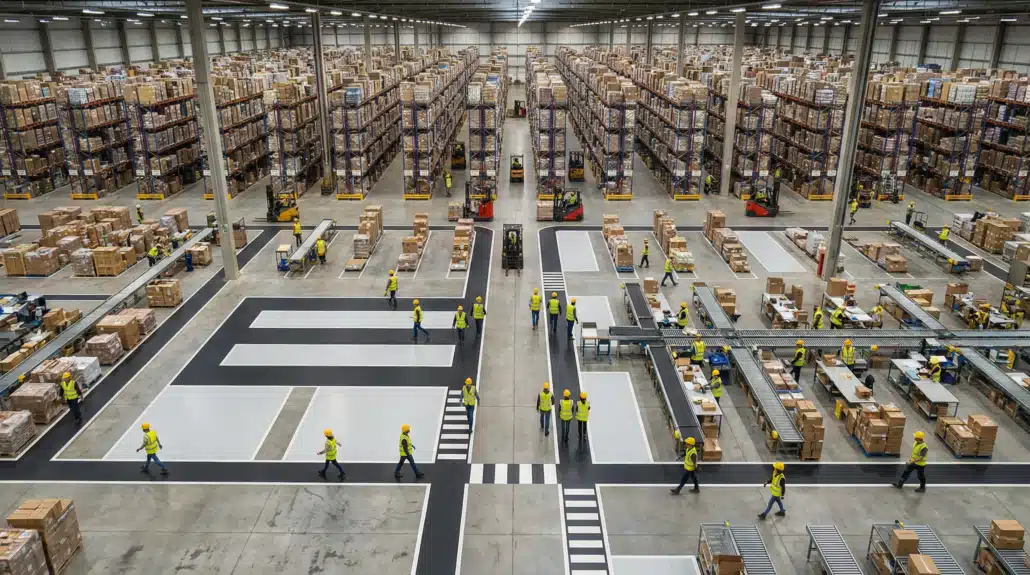
Today’s 3PL providers do far more than simply store and ship products. They’ve become integral partners in supply chain strategy, offering services that range from sophisticated inventory management to complex distribution networks spanning multiple continents. This evolution reflects how supply chains themselves have grown more complex and demanding.
The Evolution of 3PL
Remember when “logistics” basically meant trucking? We’ve come a long way. In the 1970s and 1980s, third-party logistics primarily meant contracting with trucking companies to move freight. Simple enough. But as globalization accelerated and consumer expectations shifted, the industry underwent a dramatic transformation.
The 1990s brought warehouse outsourcing into the mainstream. Companies realized they didn’t need to own every building where their products were stored. By the 2000s, technology became the differentiator. Providers who invested in warehouse management systems, transportation management software, and integration capabilities pulled ahead of competitors still relying on paper and spreadsheets.
Today’s 3PL landscape looks nothing like it did even a decade ago. Modern providers offer:
- Real-time inventory visibility across multiple locations
- Integration with ecommerce platforms and marketplaces
- Advanced analytics and demand forecasting
- Returns processing and reverse logistics
- Value-added services like kitting and assembly operations
- Cross-border logistics and customs expertise
This evolution hasn’t stopped. According to Supply Chain Dive, the 3PL industry continues to grow as companies seek specialized expertise and technology capabilities that would be costly to develop internally.
Key Benefits of 3PL
Cost Reduction Without Sacrifice: Operating your own warehouse means fixed costs – rent, utilities, labor, equipment, insurance – regardless of how much inventory you’re actually moving. 3PL providers spread these costs across multiple clients, giving you access to enterprise-level infrastructure at a fraction of the price. You pay for what you use, not what you might need someday.
Scalability On Demand: Seasonal businesses know this pain well. You need twice the warehouse space in November and December, but that space sits empty (and expensive) the rest of the year. 3PL partnerships let you scale up and down as needed without long-term commitments to square footage you won’t always use.
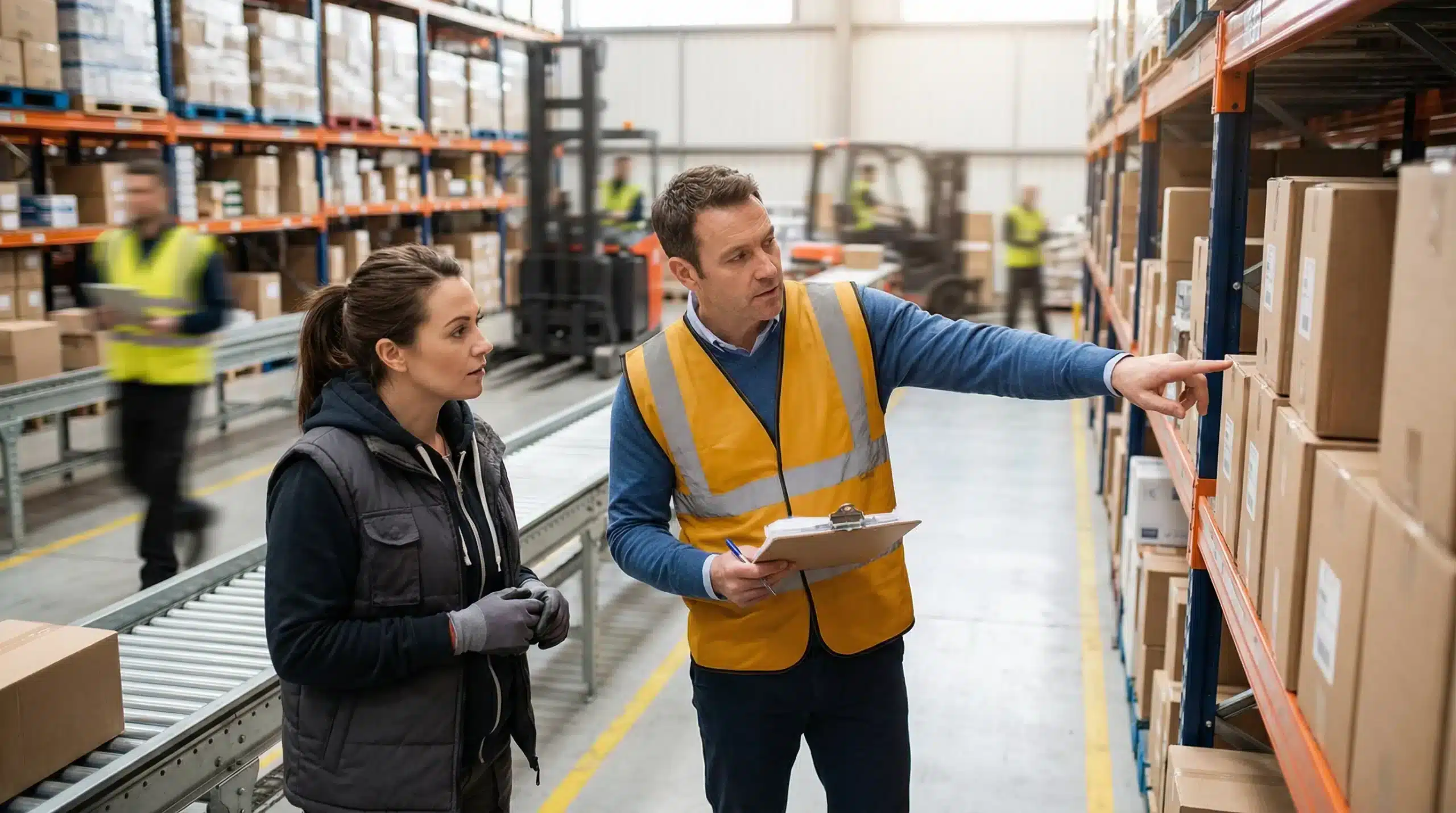
Access to Expertise: Logistics isn’t your core business – and that’s okay. But it is the core business for 3PL providers. They live and breathe warehouse efficiency, transportation optimization, and supply chain technology. You benefit from their specialized knowledge without having to develop it internally.
Geographic Reach: Want to offer two-day shipping to customers across the country? That’s tough with a single warehouse location. Established 3PL networks give you access to strategically positioned facilities, reducing transit times and shipping costs simultaneously.
Risk Mitigation: When you own the warehouse, you own the problems – equipment failures, labor disputes, natural disasters, regulatory compliance. 3PL providers assume much of this operational risk, and reputable providers maintain insurance and contingency plans that would be expensive for individual businesses to replicate.
What is a 3PL Warehouse: Functions and Benefits
So what actually happens inside a 3PL warehouse? If you’ve never worked with a third-party logistics provider before, the operations might seem mysterious. Understanding these functions helps you evaluate whether a 3PL partnership makes sense for your business – and what questions to ask potential providers.
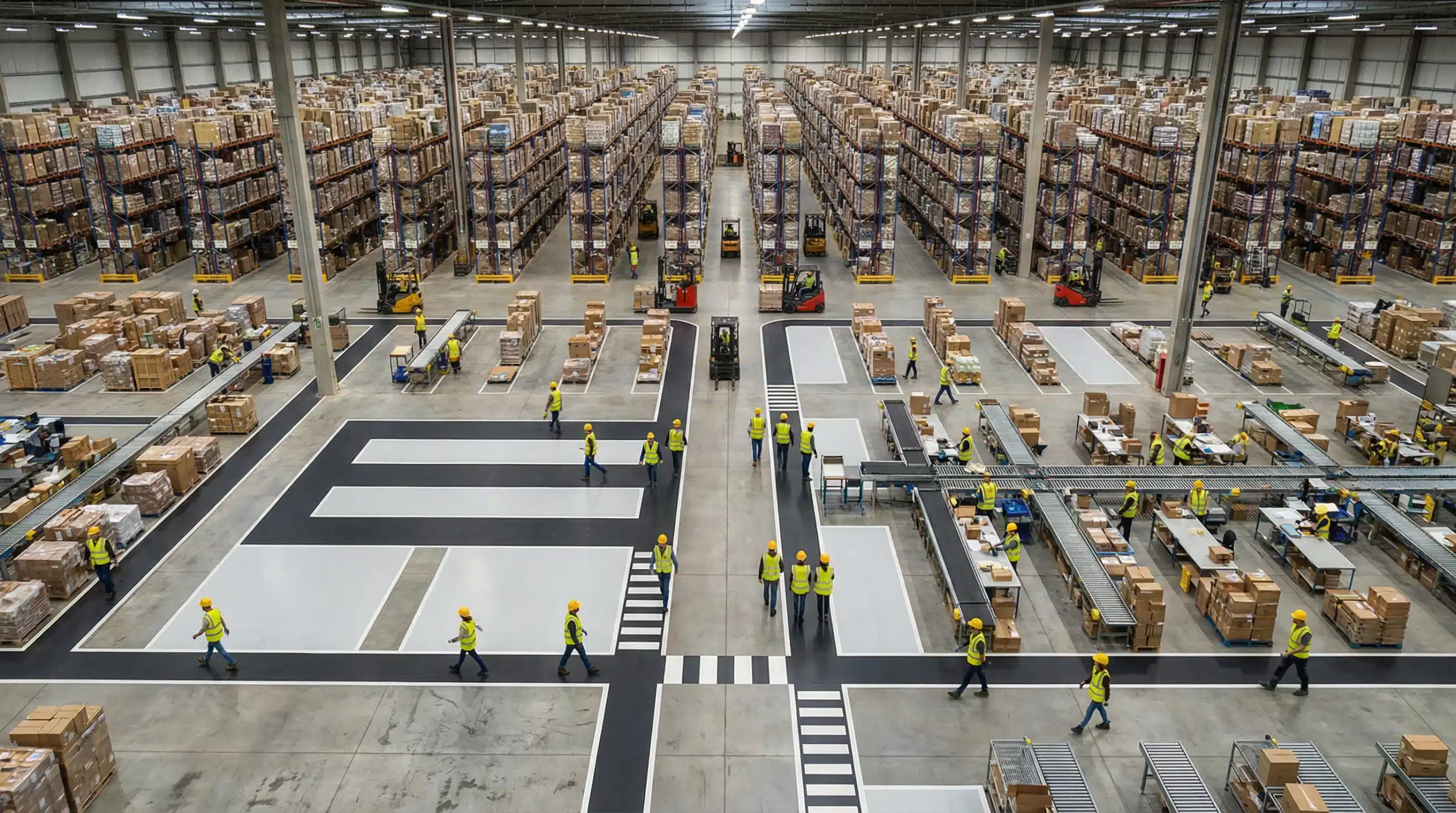
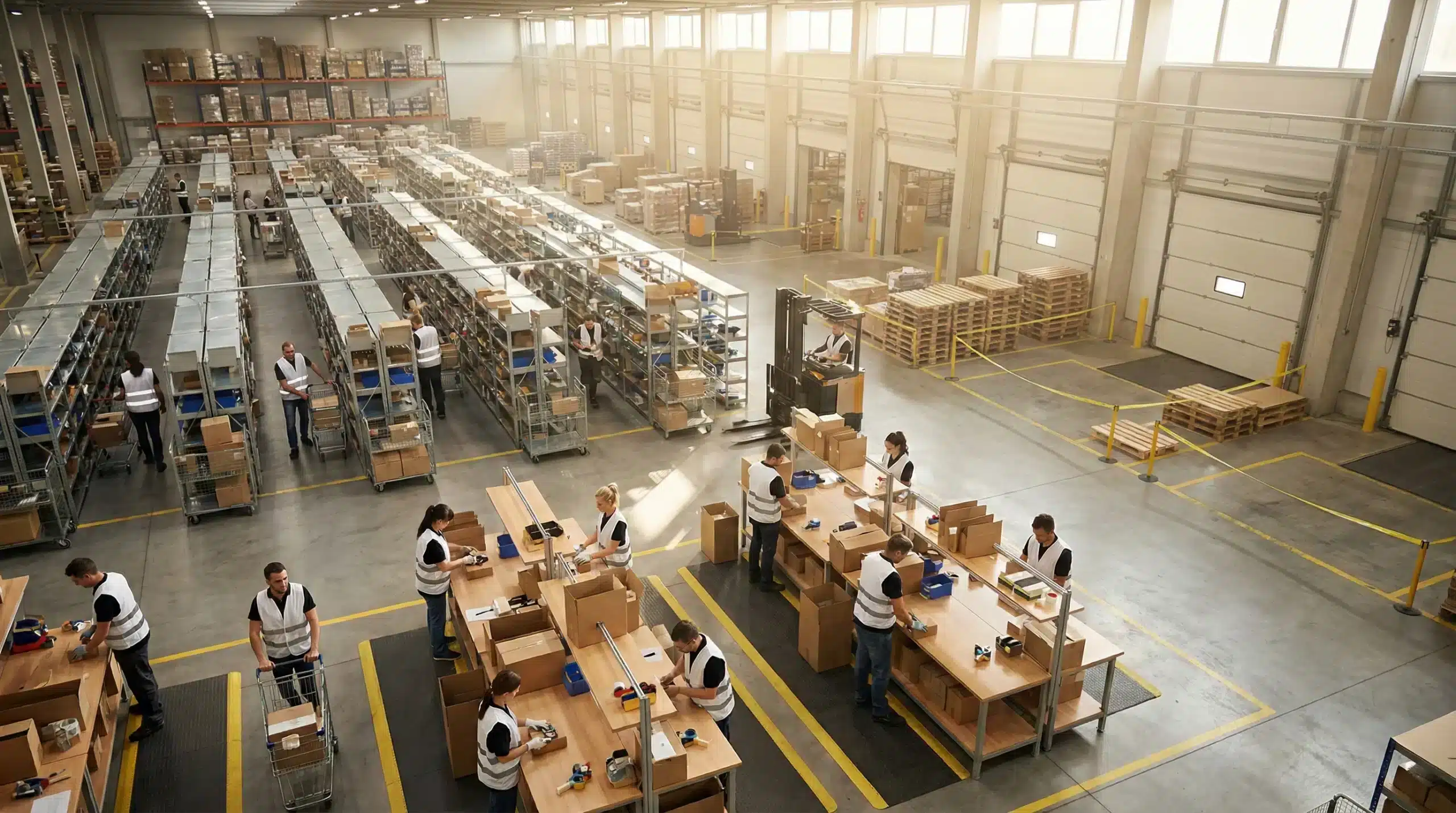
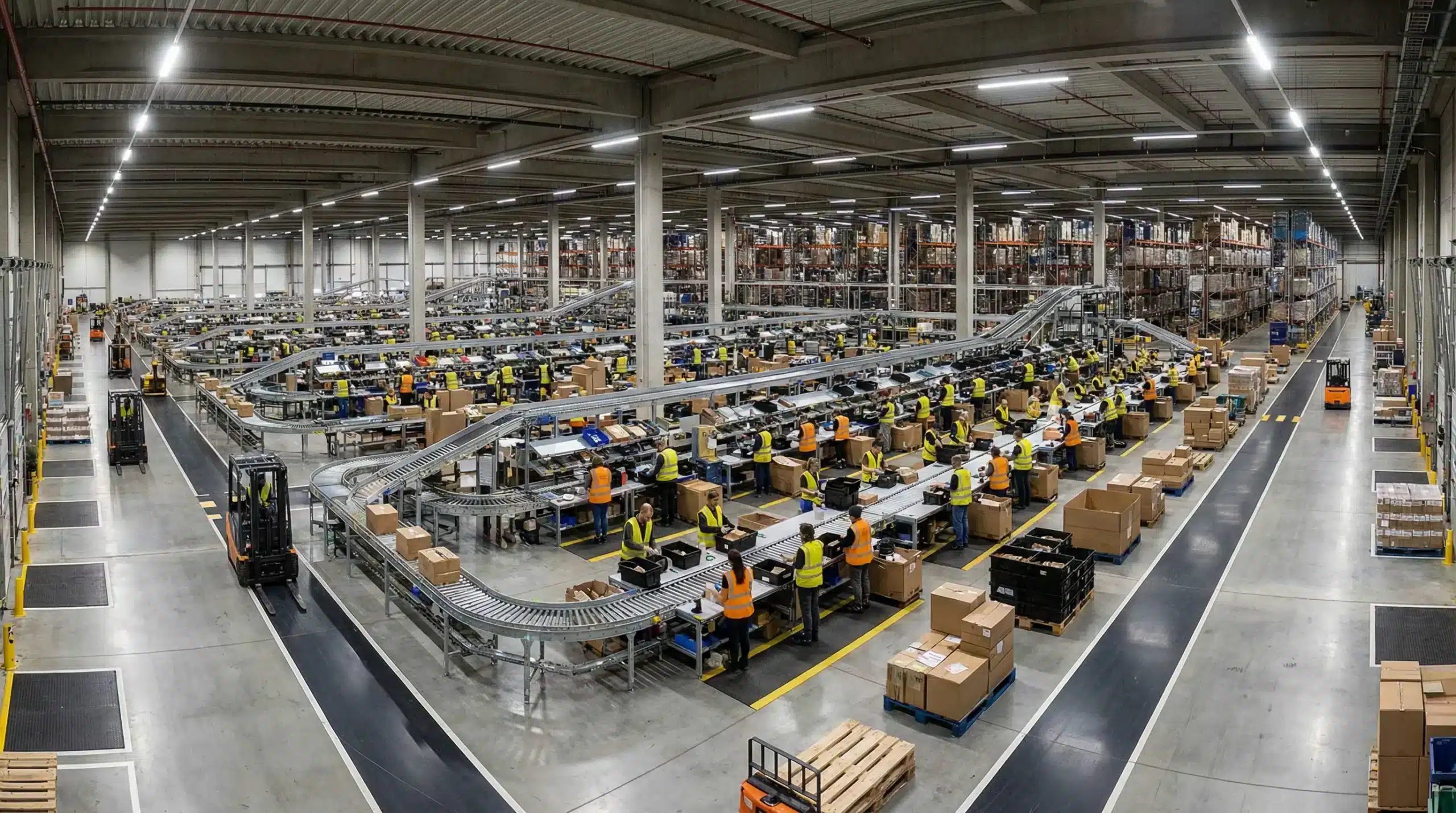
A 3PL warehouse is more than just a building with shelves. It’s a carefully orchestrated operation designed to receive, store, and ship products as efficiently as possible. Modern facilities use technology, process engineering, and trained personnel to handle everything from single-item picks to full pallet shipments.
Core Functions of a 3PL Warehouse
Receiving and Putaway: When your inventory arrives at the warehouse, it goes through an intake process called receiving. Staff verify quantities against purchase orders, inspect for damage, and log everything into the warehouse management system. Then comes putaway – placing inventory in optimal storage locations based on factors like product velocity, size, and handling requirements.
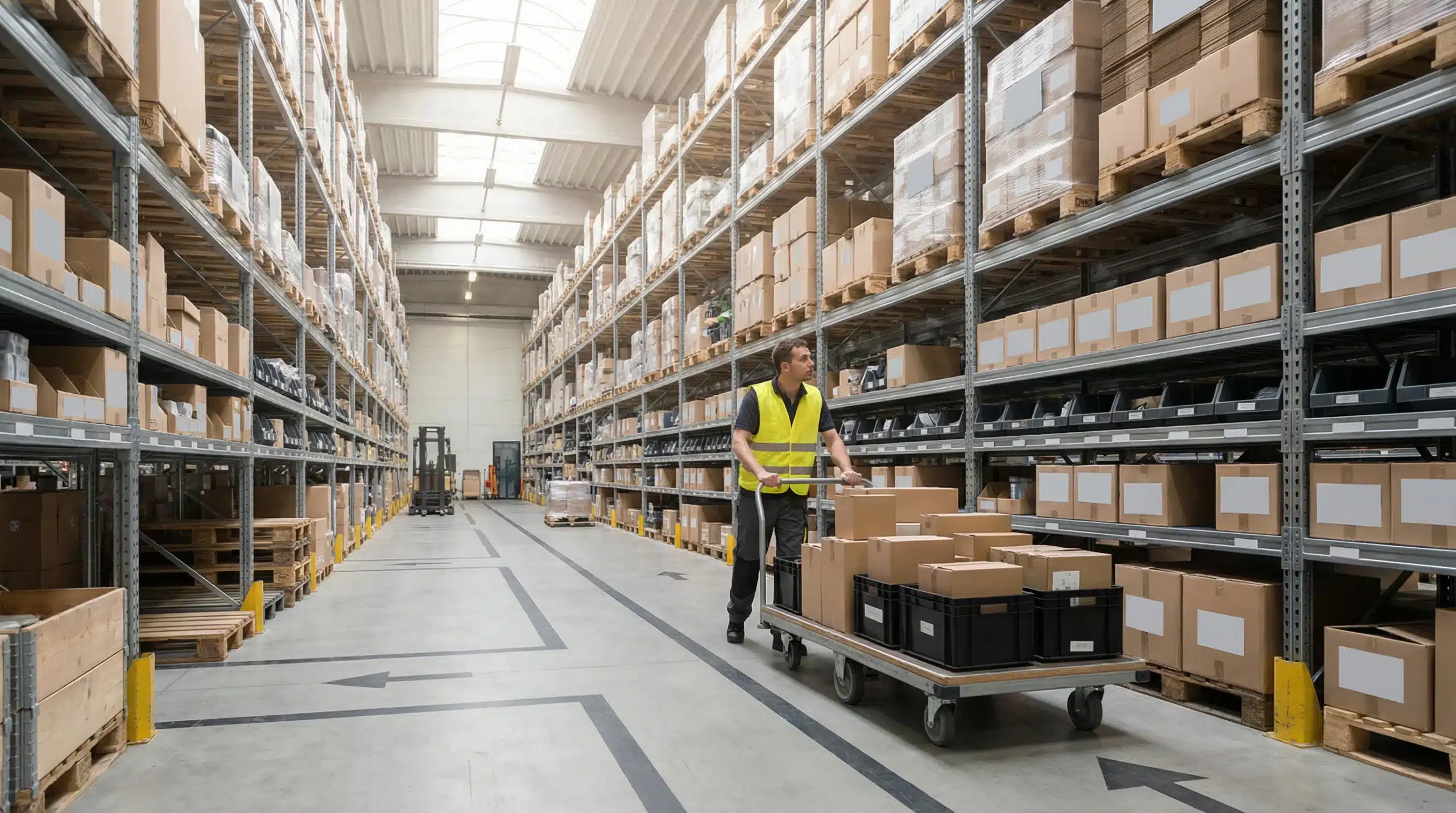
Inventory Storage and Management: This goes beyond simply putting boxes on shelves. Effective 3PL warehouses use slotting strategies to position fast-moving items in easily accessible locations, while slower inventory occupies space that’s less convenient but costs less to maintain. Regular cycle counting and inventory audits ensure accuracy – because nothing hurts customer satisfaction like shipping the wrong item or overselling inventory you don’t actually have.
Order Fulfillment: When orders come in – whether from your ecommerce platform, EDI feed from retail partners, or manual entry – the warehouse springs into action. Pickers retrieve items from storage locations, packers prepare shipments with appropriate packaging and documentation, and shipping staff coordinate with carriers to get orders out the door. The best operations can process orders received by midday for same-day shipment.
Value-Added Services: Many 3PL warehouses offer services beyond basic storage and shipping. These might include kitting (bundling multiple products together), light assembly, custom labeling, gift wrapping, or quality inspection. These value-added services can differentiate your customer experience without requiring you to build those capabilities in-house.
Returns Processing: Returns are a reality of modern commerce, especially for ecommerce businesses. 3PL warehouses can receive returned items, inspect them, and either restock them for resale or process them for liquidation or disposal. Efficient returns handling keeps inventory accurate and reduces the cash tied up in unsellable goods.
Advantages for Businesses
The tangible benefits of using a 3PL warehouse become clear when you compare the alternative: doing everything yourself. Consider what building equivalent capabilities internally would require.
First, there’s the capital investment. Warehouse buildings, racking systems, forklifts, conveyor systems, picking technology, shipping stations – the list goes on. For a mid-sized operation, you could easily be looking at seven figures before shipping your first order.
Then there’s the operational complexity. Managing warehouse staff – hiring, training, scheduling, supervising – takes significant management attention. Labor is typically the largest expense in warehouse operations, and getting it wrong means either over-spending on idle workers or under-staffing during critical periods.
Technology represents another major consideration. Modern warehouse operations require sophisticated software for order management and processing, inventory tracking, labor management, and carrier integration. Implementing and maintaining these systems requires expertise that most companies don’t have internally.
By partnering with a 3PL warehouse, you essentially access all of this – buildings, equipment, staff, and technology – through a service relationship rather than ownership. Your costs become variable rather than fixed, scaling with your actual business activity.
Third Party Logistics Examples: Real-World Applications
Theory is helpful, but seeing how third party logistics examples play out in practice makes the concept concrete. Let’s look at how different types of businesses might use 3PL services to solve specific challenges.
Case Study 1: Growing Ecommerce Brand
Consider a direct-to-consumer brand selling specialty food products online. For the first few years, the founders managed fulfillment from a small rented space, packing orders themselves and making daily trips to the post office. Sound familiar? Many successful ecommerce businesses start exactly this way.
But growth created problems. Orders increased faster than they could hire and train staff. Shipping costs were high because they couldn’t negotiate volume rates with carriers. Delivery times to customers on the opposite coast took nearly a week. Customer complaints about slow shipping started appearing in reviews.
By partnering with a 3PL provider with food and beverage handling capabilities, this type of business can transform its operations. A strategically located fulfillment center cuts average delivery times significantly. Negotiated carrier rates reduce shipping costs. Professional pick-and-pack operations improve accuracy. And the founders can stop spending their evenings packing boxes and focus on product development and marketing instead.
The financial impact of such arrangements often includes substantial reductions in per-order fulfillment costs while simultaneously improving customer satisfaction scores. That’s the 3PL advantage in action.
Case Study 2: B2B Distributor Expanding Geographically
Now imagine a wholesale distributor selling industrial supplies to businesses across a single region. They’ve built a solid reputation and see opportunity to expand nationally. The challenge? Their single warehouse location makes it impossible to offer competitive delivery times to customers more than a day’s drive away.
Building additional warehouses would require massive capital investment and take years to execute. Instead, a company in this situation might partner with a 3PL network that already has facilities in their target markets.
Using this approach, businesses can position inventory strategically across multiple locations without building anything. Multi-carrier shipping capabilities through the 3PL enable rate shopping for every shipment, finding the best combination of speed and cost.
Within months of launching such a partnership, distributors can begin serving new geographic markets effectively. The 3PL handles local fulfillment while their existing team manages sales and customer relationships. Expansion that would have taken years and millions in capital happens much faster and with lower risk.
Comparing 3PL and 4PL: Which is Right for Your Business?
You’ve probably heard the term “4PL” as well and wondered how it differs from 3PL. The distinction matters because choosing the wrong model can leave you with either too little support or paying for services you don’t need. Let’s clear up the confusion.
Understanding 4PL
Fourth-party logistics, or 4PL, takes the outsourcing concept further. While a 3PL provider handles specific logistics functions – warehousing, transportation, fulfillment – a 4PL provider manages your entire supply chain strategy, often coordinating multiple 3PLs and other service providers on your behalf.
Think of it this way: a 3PL is a specialist you hire to do specific work. A 4PL is more like a general contractor who manages all the specialists working on your project. The 4PL sits between you and the various service providers, handling coordination, optimization, and strategic planning.
4PL providers typically offer:
- Supply chain strategy development and optimization
- Vendor selection and management across multiple 3PLs
- Technology platform integration
- Performance monitoring and continuous improvement
- Single point of contact for all logistics matters
This model appeals to companies with highly complex supply chains spanning multiple regions, product categories, or channels. When you’re coordinating activities across dozens of facilities and service providers, having a 4PL manage the orchestration can be valuable.
3PL vs 4PL: Key Differences
The fundamental difference comes down to scope and control. Here’s how to think about it:
Asset Ownership: 3PL providers typically own or operate physical assets – warehouses, trucks, equipment. 4PL providers are generally “asset-light,” focusing on management and coordination rather than operations. They may not own a single truck or warehouse, instead orchestrating a network of 3PLs.
Client Relationship: With a 3PL, you maintain direct relationships with each provider and make decisions about how different pieces of your supply chain work together. With a 4PL, you hand over much of that decision-making authority to your logistics partner.
Strategic vs. Operational Focus: 3PLs excel at executing logistics tasks efficiently. 4PLs focus on strategy, optimization, and cross-functional coordination. If you need someone to run your warehouse well, that’s 3PL territory. If you need someone to redesign your entire distribution network, a 4PL might be the answer.
Cost Structure: 3PL costs are typically activity-based – per pallet stored, per order shipped, per unit handled. 4PL arrangements often involve management fees plus performance-based compensation. The total cost depends on complexity and scope.
Which model fits your business? For most small and mid-sized companies, 3PL provides the right balance of expertise and control. You get specialized logistics capabilities without surrendering strategic oversight. 4PL makes sense when your supply chain has grown so complex that managing the management becomes a full-time job itself.
Future Trends in 3PL: Innovations and Opportunities
The logistics industry never stands still. Consumer expectations continue rising, technology capabilities expand, and new challenges emerge constantly. Understanding where the 3PL industry is heading helps you evaluate potential partners and prepare your business for what’s coming.
Technological Advancements
If you visited a state-of-the-art 3PL warehouse today, you might be surprised by how different it looks from facilities of just a few years ago. Technology is reshaping every aspect of logistics operations.
Automation and Robotics: Automated storage and retrieval systems, goods-to-person picking stations, and autonomous mobile robots are becoming common in high-volume facilities. These technologies address labor challenges while improving speed and accuracy. According to Logistics Management, investment in warehouse automation and robotics continues accelerating as providers seek competitive advantages.
Artificial Intelligence and Machine Learning: AI applications in logistics range from demand forecasting to inventory optimization to route planning. Machine learning algorithms analyze historical data to predict future patterns, helping warehouses position inventory where it’s most likely to be needed.
Internet of Things (IoT): Sensors throughout the supply chain provide real-time visibility into location, condition, and status of goods in transit. For temperature-sensitive products like pharmaceuticals or food, IoT monitoring ensures compliance with handling requirements.
Advanced Analytics: Modern warehouse reporting systems go far beyond basic metrics. Predictive analytics help identify potential issues before they become problems. Prescriptive analytics recommend specific actions to improve performance.
Integration Capabilities: The ability to connect smoothly with client systems – ERPs, ecommerce platforms, transportation management systems – has become table stakes for 3PL providers. Modern API-based integrations enable real-time data exchange that was impossible just a few years ago.
Sustainability in 3PL
Environmental responsibility has moved from “nice to have” to business imperative. Customers, investors, and regulators all expect companies to demonstrate commitment to sustainability – and that extends to supply chain partners.
Forward-thinking 3PL providers are responding with initiatives across multiple dimensions:
Energy Efficiency: Modern warehouse designs incorporate LED lighting, natural daylighting, energy-efficient HVAC systems, and smart building controls. Some facilities generate their own renewable energy through rooftop solar installations.
Transportation Optimization: Route optimization software reduces miles driven and fuel consumed. Consolidation strategies combine shipments to maximize trailer utilization. Some providers are investing in electric vehicles for last-mile delivery.
Packaging Reduction: Right-sizing packaging to minimize waste and dimensional weight charges benefits both costs and environment. Some 3PLs now offer packaging optimization as a value-added service.
Carbon Reporting: As more companies commit to carbon reduction targets, they need visibility into emissions throughout their supply chains. Progressive 3PL providers offer carbon tracking and reporting capabilities.
When evaluating potential 3PL partners, asking about sustainability initiatives tells you something about how they’re investing in the future – and whether their values align with yours.
Making the Right Choice for Your Business
We’ve covered a lot of ground here – from basic 3PL meaning through real-world applications and future trends. But knowledge without action doesn’t move your business forward. So how do you actually decide whether 3PL is right for you, and how do you choose the right partner?
Start by honestly assessing your current situation. Are logistics challenges limiting your growth? Is managing warehouse operations distracting from your core business? Do you lack the capital to build the infrastructure you need? If you answered yes to any of these questions, exploring 3PL partnerships makes sense.
When evaluating potential providers, look beyond the sales pitch. Ask for references from companies similar to yours. Visit facilities in person if possible. Understand their technology capabilities and how they would integrate with your systems. Clarify pricing structures and what’s included versus extra.
Most importantly, think of this as a partnership rather than a vendor relationship. The best 3PL relationships involve ongoing communication, shared goals, and continuous improvement. Your provider should feel like an extension of your team, not just a service you pay for.
The logistics industry will continue evolving, and your business will continue changing too. A great 3PL partner grows with you, adapting to new challenges and opportunities as they emerge. That’s the real value of getting this decision right.
Conclusion: Your Next Steps
Understanding 3PL meaning, exploring third party logistics examples, and learning what is a 3PL warehouse are all important first steps. But the real question is what comes next for your business. If the challenges we’ve discussed in this article resonate with your experience, it might be time to take action.
The companies thriving in today’s competitive environment aren’t trying to do everything themselves. They’re building strategic partnerships that let them focus on their strengths while using external expertise where it matters most. Logistics is a prime candidate for this approach – it’s complex, capital-intensive, and not where most businesses create their competitive advantage.
Ready to explore how third-party logistics could transform your operations? Contact Cadre today to discuss your specific needs and learn how our solutions can help. Our team understands the challenges you’re facing because we’ve helped hundreds of companies work through the same questions.
Want to stay informed about logistics best practices and industry trends? Subscribe to our newsletter for regular insights delivered to your inbox. And if you’re ready to take a deeper dive, explore our warehouse management solutions to see how modern technology can power your logistics operations – whether you’re running your own warehouse or working with a 3PL partner.
The logistics decisions you make today will shape your business for years to come. Make them count.
Frequently Asked Questions
What is the 3PL meaning in logistics?
The 3PL meaning in logistics refers to third-party logistics, which involves outsourcing logistics and supply chain functions to an external provider. This includes services like warehousing, transportation, and distribution. By using a 3PL, companies can focus on core business activities while benefiting from the provider’s expertise and infrastructure. This arrangement is cost-effective and offers scalability, making it attractive to businesses of all sizes.
Can you give third party logistics examples?
Third party logistics examples include companies like DHL, FedEx, and UPS, which offer comprehensive logistics solutions. These providers handle warehousing, transportation, and distribution for clients, allowing businesses to outsource these critical functions. By partnering with such 3PLs, companies can efficiently manage supply chains and focus on growth. This is particularly beneficial during peak seasons or when expanding into new markets, as 3PLs offer the necessary flexibility and infrastructure.
What is a 3PL warehouse and how does it work?
A 3PL warehouse is a facility operated by a third-party logistics provider to store and manage inventory for clients. It functions by using the provider’s infrastructure, technology, and trained staff to handle warehousing needs. Clients rent space and services, avoiding the capital expenditure of building their own facilities. This setup allows businesses to scale operations up or down based on demand, making it a flexible and cost-effective solution.
Why do businesses use third party logistics providers?
Businesses use third party logistics providers to simplify operations and reduce logistics complexities. By outsourcing warehousing, transportation, and distribution, companies can focus on core activities and strategic growth. 3PL providers offer expertise, technology, and infrastructure that would be costly to develop in-house. This partnership also provides flexibility to scale operations according to market demands, making it an attractive option for companies looking to optimize efficiency.
How do 3PL services benefit growing businesses?
3PL services benefit growing businesses by providing scalable logistics solutions without the need for significant capital investment. These services allow companies to access advanced technology, skilled personnel, and extensive networks, enhancing their supply chain efficiency. By outsourcing logistics functions, businesses can focus on core competencies and market expansion. This flexibility is crucial for managing growth and responding to market changes, facilitating smoother operations and better customer service.