The Complete Guide to Food Traceability Software
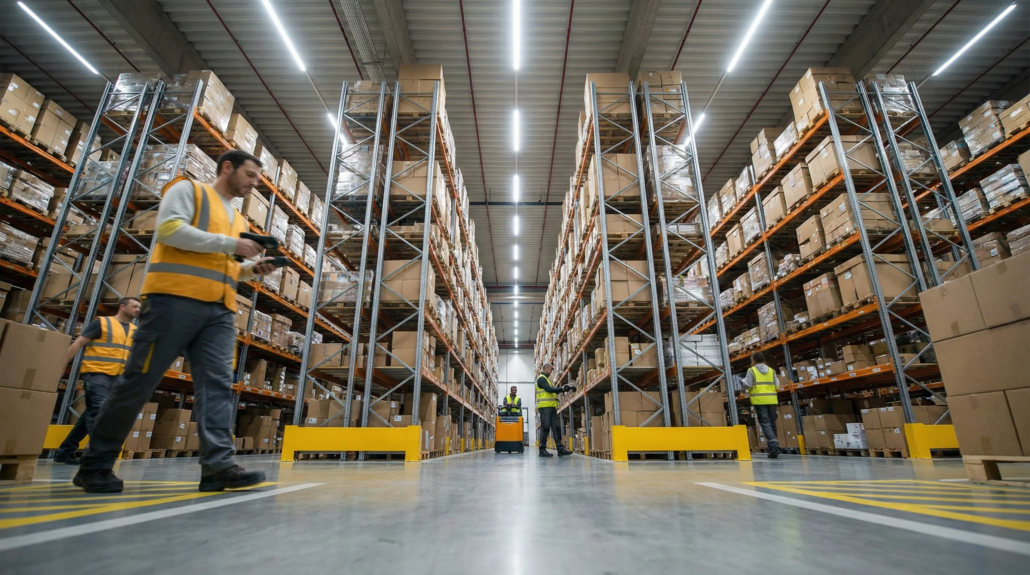
Understanding food traceability software is essential for modern warehouse operations. Food safety traceability software, supply chain transparency, food safety compliance software has become essential for modern businesses. You might be wondering how food manufacturers, distributors, and processors can keep track of every ingredient, every shipment, and every step in their supply chain. The answer lies in food safety traceability software – a critical tool that brings supply chain transparency to operations of all sizes. With increasing regulatory pressure and consumer demand for accountability, food safety compliance software has become essential for any business that handles food products.
But what exactly does this technology do, and how do you choose the right solution for your business? This guide answers the most common questions food industry professionals ask about traceability systems, compliance requirements, and the technologies shaping the future of food safety.
What Is Food Traceability Software and Why Does Your Business Need It?
Food traceability software is a digital system that records and tracks the movement of food products throughout the entire supply chain. From raw ingredient sourcing to final delivery, these platforms create a complete digital record of every touchpoint a product encounters.
Think of it as a detailed biography for every item that moves through your facility. The software captures information about where ingredients came from, when they were received, how they were processed or stored, and where they ultimately went. This level of documentation serves multiple purposes – from meeting regulatory requirements to enabling rapid response during recalls.
How Does Food Traceability Software Actually Work?
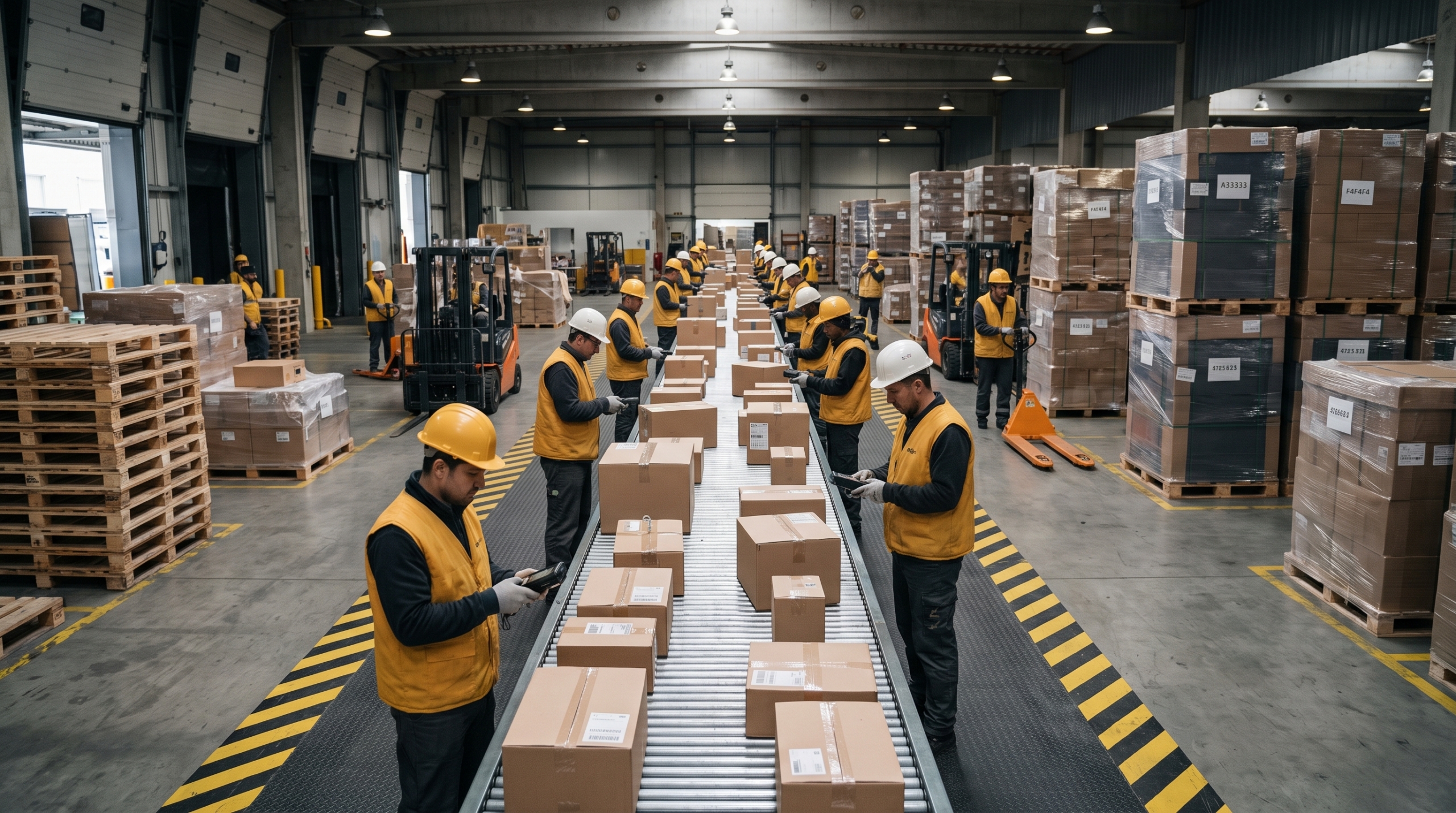
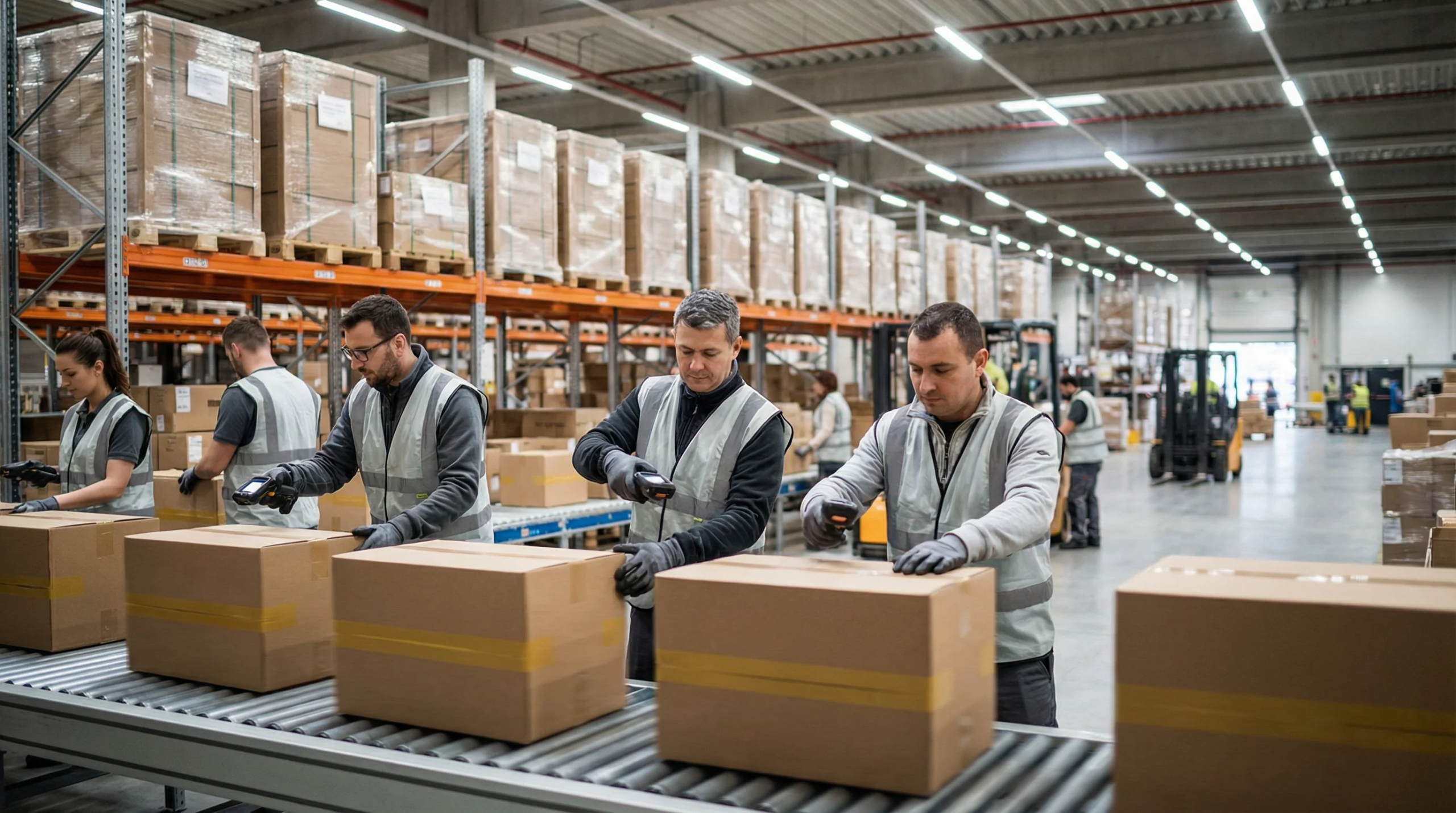
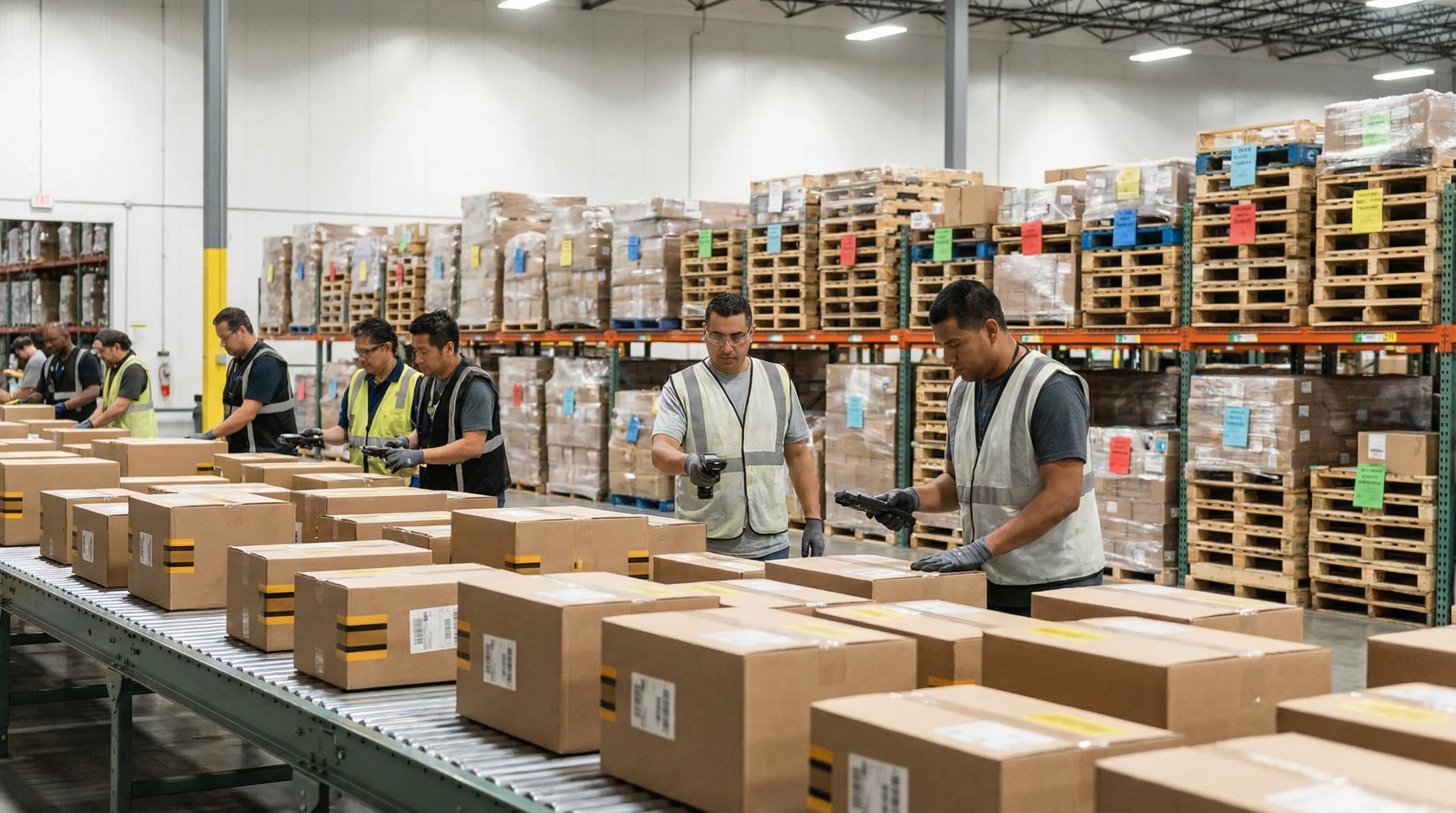
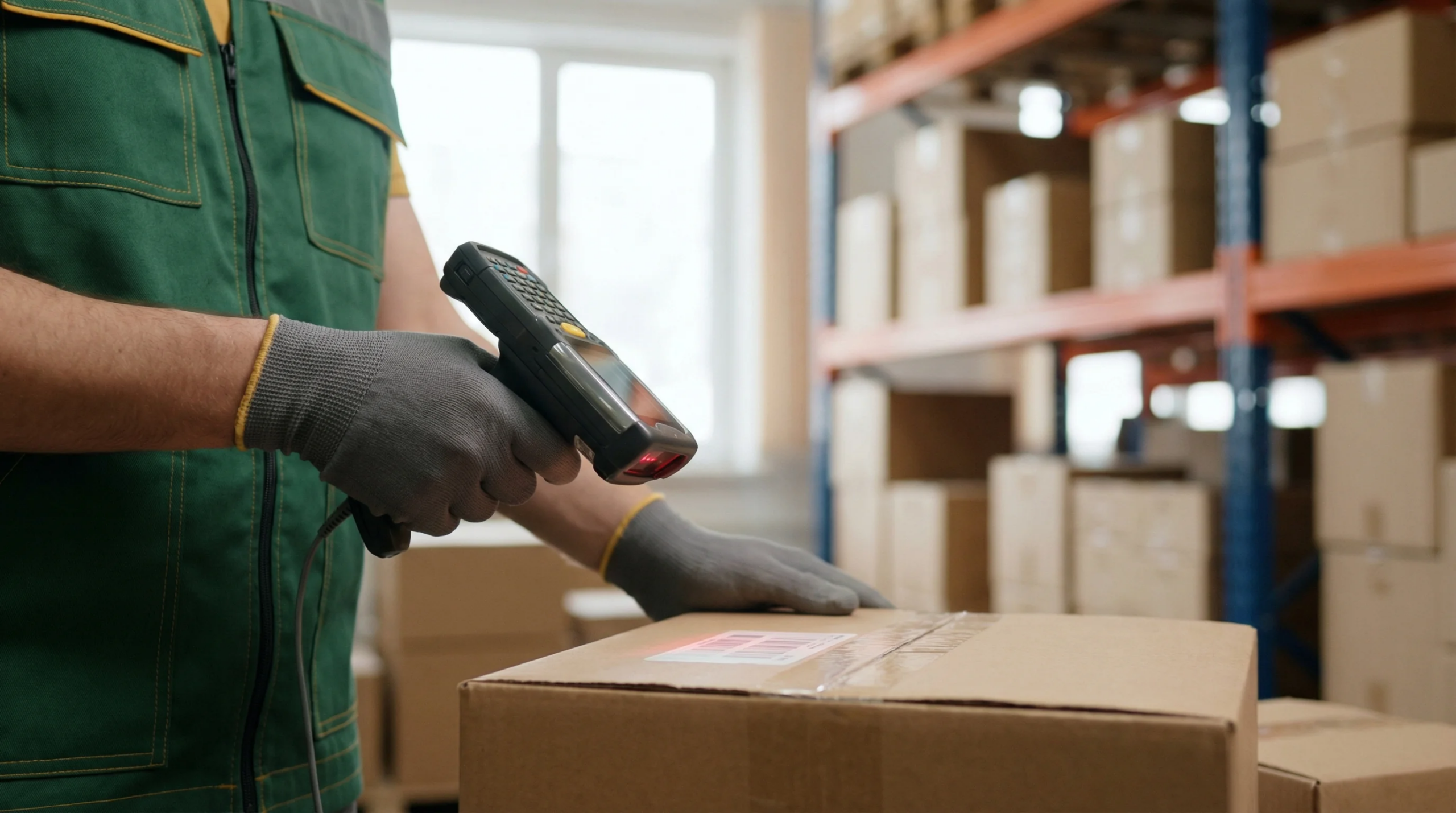
At its core, food traceability software relies on data capture at every critical control point. When products arrive at your facility, they’re assigned unique identifiers – typically through barcodes, QR codes, or RFID tags. These identifiers link to detailed records in the system.
As products move through your operations, workers scan these identifiers at each stage:
- Receiving and inspection at the dock
- Storage location assignment and temperature monitoring
- Processing, transformation, or repackaging
- Quality control checkpoints
- Order picking and shipping
Each scan creates a timestamped record that becomes part of the product’s permanent history. Modern systems integrate with inventory tracking and management tools to maintain real-time visibility across your entire operation.
What Are the Core Benefits of Implementing Traceability Systems?
Food industry professionals consistently report several advantages after implementing traceability solutions. The most immediate benefit is faster recall response. Instead of spending days or weeks identifying affected products, companies can pinpoint exactly which lots, batches, and shipments need attention within minutes.
Beyond recalls, these systems deliver operational improvements:
- Reduced waste through better first-expired-first-out (FEFO) management
- Improved inventory accuracy with real-time stock visibility
- Faster audit preparation since records are already organized and accessible
- Enhanced supplier accountability through documented receiving records
- Better customer service with instant access to product information
The return on investment often comes from multiple areas simultaneously – lower waste, fewer compliance penalties, reduced labor for manual record-keeping, and stronger relationships with retail partners who require traceability documentation.
Smarter Warehouse Management Starts Here
a modern WMS delivers real-time visibility, automated workflows, and smooth ERP integration for warehouses of every size.

How Does Traceability platforms Help You Meet Compliance Requirements?
Regulatory compliance represents one of the primary drivers for adopting tracking solutions. Government agencies around the world have implemented increasingly strict requirements for food tracking and documentation, and non-compliance can result in significant penalties, forced recalls, and reputational damage.
What Regulations Require Food Traceability?
In the United States, the FDA’s Food Safety Modernization Act (FSMA) established comprehensive requirements for food traceability. The FSMA Rule 204, also known as the Food Traceability Rule, requires companies handling foods on the Food Traceability List to maintain specific records and share them electronically within 24 hours of an FDA request.
Key requirements under FSMA 204 include:
- Recording Key Data Elements (KDEs) at Critical Tracking Events (CTEs)
- Maintaining records for at least two years
- Providing electronic sortable spreadsheets within 24 hours when requested
- Establishing traceability lot codes for covered foods
Beyond federal requirements, many retailers and food service companies have implemented their own traceability standards. Walmart, Costco, and other major retailers often require suppliers to demonstrate comprehensive traceability capabilities before approving them as vendors.
International regulations add another layer of complexity. The European Union’s General Food Law requires one-step-back, one-step-forward traceability. Canada’s Safe Food for Canadians Regulations mandate similar documentation. Companies operating across borders need systems that can satisfy multiple regulatory frameworks simultaneously.
What Happens When Companies Fail Compliance Audits?
The consequences of inadequate traceability documentation extend beyond regulatory fines. Companies that cannot demonstrate proper food safety controls face several risks:
Financial penalties from regulatory agencies can reach millions of dollars for serious violations. The FDA has authority to impose civil monetary penalties, and repeated violations can lead to criminal charges against company executives.
Retail partner consequences may include suspension from approved vendor lists, chargeback fees for non-compliant shipments, and loss of contracts. Rebuilding these relationships often takes years.
Insurance implications can increase premiums or reduce coverage options. Insurers increasingly require documented food safety programs as a condition of coverage.
Operational disruptions during investigations can halt production while inspectors review records. Companies without organized documentation systems often face extended shutdowns.
Compliance management tools helps avoid these outcomes by maintaining organized, searchable records that satisfy auditor requirements. The investment in proper systems typically costs far less than the consequences of a single serious compliance failure.
How Can Software Simplify Your Compliance Process?
Manual record-keeping systems – whether paper-based or basic spreadsheets – create significant compliance risks. Information gets lost, handwriting becomes illegible, records don’t get filed properly, and pulling together documentation for audits requires extensive labor.
Dedicated compliance software addresses these challenges through automation. When workers scan products at each stage, the system automatically captures required data elements without additional effort. Built-in validation checks ensure required fields are completed before transactions can proceed.
For facilities dealing with temperature-sensitive products, cold storage management solutions can integrate temperature monitoring with traceability records. This creates documented evidence that products remained within safe temperature ranges throughout storage and handling.
Audit preparation becomes dramatically simpler when records exist in a centralized, searchable database. Instead of assembling documents from multiple filing cabinets and spreadsheets, compliance teams can generate reports in minutes that show the complete history of any product lot.
Why Is Supply Chain Transparency Becoming Non-Negotiable?
Supply chain transparency has evolved from a nice-to-have feature to a business necessity. Consumer expectations, retail partner requirements, and risk management considerations all drive the need for greater visibility into product origins and handling.
What Do Consumers and Retailers Actually Expect?
Consumer research consistently shows growing interest in knowing where food comes from. People want to understand ingredient sourcing, production methods, and handling practices. Brands that provide this transparency often command premium pricing and stronger customer loyalty.
Retail partners have become increasingly demanding about supply chain visibility. Major grocery chains and food service distributors now require suppliers to provide detailed documentation about:
- Ingredient sourcing and supplier certifications
- Processing facility locations and audit results
- Transportation conditions and cold chain maintenance
- Allergen handling procedures and cross-contamination controls
Companies that cannot provide this information often find themselves excluded from lucrative retail partnerships. Transparency has become a competitive differentiator in the food industry.
How Does Transparency Reduce Business Risk?
Beyond meeting external expectations, supply chain transparency provides internal risk management benefits. When you have complete visibility into your supply chain, you can identify potential problems before they become crises.
Consider a scenario where a supplier’s facility experiences a food safety incident. With transparent supply chain data, you can immediately determine whether any affected products entered your inventory. You can proactively notify customers, isolate potentially compromised items, and demonstrate to regulators that you responded appropriately.
Without this visibility, you might not discover the connection until products have already reached consumers – dramatically increasing liability exposure and reputational damage.
Supply chain visibility solutions help companies monitor their entire network in real time. When disruptions occur – whether from weather events, supplier problems, or transportation delays – you can see the impact immediately and adjust operations accordingly.
What Technologies Enable Greater Supply Chain Transparency?
Several technological advances have made comprehensive supply chain transparency more achievable than ever before:
Cloud-based platforms allow data sharing across multiple organizations without complex IT infrastructure. Suppliers, distributors, and retailers can all access relevant information through secure web interfaces.
IoT sensors provide continuous monitoring of conditions throughout the supply chain. Temperature loggers, GPS trackers, and environmental monitors generate data that automatically feeds into traceability records.
Blockchain technology creates immutable records that multiple parties can trust. While still emerging in food applications, blockchain offers potential for verified, tamper-proof documentation of supply chain events.
API integrations connect different systems across the supply chain. When your traceability software can exchange data with supplier systems, transportation management platforms, and retail partner portals, transparency becomes automatic rather than manual.
The key is selecting solutions that can integrate with existing business systems. Companies using API and data integration capabilities can connect traceability data with ERP systems, quality management platforms, and customer-facing applications.
How Do You Choose the Right Regulatory tracking platforms?
Selecting safety management solutions requires careful evaluation of your specific needs, operational requirements, and growth plans. The wrong choice can create more problems than it solves, while the right solution becomes a competitive advantage.
What Questions Should You Ask Before Purchasing?
Start by understanding your current challenges and future requirements. Consider these questions:
What are your primary compliance obligations? Different regulations have different requirements. FSMA 204 compliance needs differ from GFSI certification requirements or specific retail partner mandates. Make sure any solution you consider addresses your specific regulatory environment.
What’s your current technology infrastructure? Solutions that integrate with your existing ERP, warehouse management, and quality systems will deliver better results than standalone tools. Ask vendors specifically about ERP integration capabilities and supported platforms.
How will your needs change over the next 3-5 years? Selecting a solution that can scale with your business avoids the disruption and expense of switching systems later. Consider your growth plans, potential new product lines, and evolving customer requirements.
What’s your team’s technical capability? Complex systems with extensive customization options may offer more features, but only if your team can effectively configure and maintain them. Simpler solutions often deliver better results for teams without dedicated IT resources.
What Features Matter Most for Food Industry Operations?
Not all traceability features deliver equal value. Focus your evaluation on capabilities that directly impact your operations:
Lot tracking and genealogy – The ability to track products through transformation processes is essential. When raw ingredients combine to create finished products, your system must maintain the connection between input lots and output lots.
Real-time visibility – Batch-updated systems that only refresh data periodically create compliance risks. Look for solutions that provide current inventory status and location information.
Mobile capabilities – Workers need to capture data where work happens, not at fixed computer terminals. Mobile scanning and data entry eliminate transcription delays and errors.
Reporting flexibility – Different stakeholders need different views of traceability data. Your system should support regulatory reports, internal analytics, and customer-facing documentation without custom development.
Exception handling – Real operations don’t always follow standard procedures. Your system must handle receiving discrepancies, damaged products, quality holds, and other exceptions without breaking traceability chains.
For operations with complex fulfillment requirements, integration with order processing and fulfillment systems ensures traceability data flows through to shipping documentation and customer records.
How Do You Evaluate Vendor Capabilities?
Beyond feature checklists, assess vendors on their ability to support your implementation and ongoing operations:
Industry experience – Vendors who understand food industry operations will implement solutions that match how your business actually works. Ask for references from similar operations.
Implementation methodology – Understand how the vendor approaches deployment. What training is included? How long do implementations typically take? What resources do you need to provide?
Support model – When problems arise, how quickly can you get help? Is support included or an additional cost? What hours are support staff available?
Update and maintenance – How frequently is the software updated? How are regulatory changes incorporated? What’s the process for deploying updates to your system?
Total cost of ownership – Initial licensing or subscription fees tell only part of the story. Include implementation costs, ongoing support fees, hardware requirements, and internal labor in your calculations.
What Future Trends Will Shape Food Traceability Technology?
Food traceability technology continues to evolve rapidly. Understanding emerging trends helps you select solutions that will remain effective as requirements and capabilities change.
How Will Artificial Intelligence Change Traceability?
AI and machine learning applications are beginning to appear in food safety systems. Current and near-future applications include:
Predictive quality analysis – Systems that analyze historical data to identify products at higher risk of quality issues, enabling proactive intervention before problems occur.
Anomaly detection – AI that recognizes unusual patterns in supply chain data that might indicate contamination, fraud, or process failures.
Automated documentation – Natural language processing that can extract relevant information from supplier documents, certificates, and communications to populate traceability records.
Optimized recall targeting – Algorithms that analyze traceability data to identify the minimum scope of recalls necessary to address safety concerns, reducing unnecessary product destruction.
These capabilities are still emerging, but companies selecting traceability platforms today should consider whether vendors are investing in AI development and how these features might integrate with current functionality.
What Role Will IoT and Sensors Play?
The Internet of Things continues to expand the types of data available for traceability purposes. Sensors are becoming smaller, cheaper, and more capable, enabling new monitoring applications:
Continuous temperature monitoring – Rather than periodic temperature checks, sensors can record conditions throughout storage and transportation, providing complete cold chain documentation.
Location tracking – GPS and indoor positioning systems can document exactly where products are located at any given time, supporting both traceability and inventory accuracy.
Environmental sensing – Beyond temperature, sensors can monitor humidity, light exposure, shock and vibration, and other conditions that affect product quality.
Automated data capture – RFID and other automatic identification technologies reduce reliance on manual scanning, improving data capture rates and reducing labor requirements.
For operations dealing with temperature-sensitive products, integration between IoT sensors and warehouse reporting and analytics systems creates documented evidence of proper handling throughout the product lifecycle.
How Should Your Business Prepare for These Changes?
Preparing for technological evolution doesn’t mean waiting for perfect solutions. Instead, focus on building a foundation that can incorporate new capabilities as they mature:
Prioritize integration capability – Systems with strong API support and flexible data structures can incorporate new data sources and capabilities as they become available.
Invest in data quality – Advanced analytics and AI capabilities are only as good as the underlying data. Establishing rigorous data capture practices now prepares you to benefit from future analytical tools.
Build organizational capability – Technology alone doesn’t create results. Developing your team’s understanding of traceability concepts and data analysis skills ensures you can take advantage of new tools.
Stay informed about regulatory direction – Regulatory requirements will continue to evolve. Following food safety regulatory developments helps you anticipate changes and select solutions that address future requirements.
Engage with industry initiatives – Industry consortiums and standards bodies are developing frameworks for food traceability data exchange. Participating in these efforts helps ensure your systems will work with emerging standards.
What Does Successful Implementation Look Like in Practice?
Understanding theoretical benefits is helpful, but seeing how traceability systems work in practice provides more actionable insight. Consider how different types of food operations apply these concepts.
How Do Food Manufacturers Approach Traceability?
Imagine a mid-sized food manufacturing operation producing packaged goods from multiple ingredient sources. Their traceability challenges include tracking numerous incoming ingredients, maintaining lot connections through processing, and documenting the final destination of finished products.
A successful implementation for this type of operation typically involves:
Receiving integration – When ingredients arrive, workers scan incoming shipments and link them to purchase orders and supplier lot information. The system validates that incoming products match expected specifications before accepting them into inventory.
Production tracking – As ingredients move to production lines, the system records which input lots go into each production batch. If a single finished product contains ingredients from multiple sources, all connections are maintained.
Quality hold management – When quality testing identifies potential issues, the system can immediately flag affected inventory and prevent it from shipping until cleared.
Customer lot reporting – Shipping documentation automatically includes lot information, and the system maintains records of which lots went to which customers.
The result is complete forward and backward traceability. Given any finished product lot, the manufacturer can identify all ingredient sources. Given any ingredient lot, they can identify all finished products that might be affected.
How Do Distributors Manage Traceability Across Multiple Sources?
Consider a regional food distributor handling products from hundreds of suppliers and serving thousands of customers. Their traceability challenges center on maintaining data integrity across high transaction volumes while managing diverse product types with different tracking requirements.
Effective traceability for distribution operations requires:
Standardized receiving processes – Regardless of how suppliers document their products, the distributor captures consistent data elements for all incoming shipments. This may require translating supplier lot codes into internal identifiers while maintaining the link to original documentation.
Inventory segregation – Products with different lot codes must remain physically and systematically separate. The warehouse management system directs putaway and storage operations to maintain lot integrity.
FEFO picking enforcement – The system directs workers to pick oldest inventory first, reducing waste from expired products while maintaining accurate lot records on outbound shipments.
Customer documentation – Every shipment includes complete lot information, and the distributor maintains records that allow tracing any product back to its source and forward to its destination.
For distributors serving retail partners with specific documentation requirements, the ability to generate customized reports and export data in required formats becomes essential.
What Results Can Operations Expect?
Operations that successfully implement supply chain traceability tools typically report improvements in several areas:
Recall response time – Organizations often reduce the time required to identify affected products from days to hours or even minutes. This speed limits the scope of recalls and reduces both direct costs and reputational damage.
Audit performance – Regulatory inspections and customer audits become less stressful when documentation is organized and accessible. Some operations report reducing audit preparation time significantly.
Inventory accuracy – The discipline required for traceability often improves overall inventory accuracy. Scanning requirements ensure products are properly recorded, and discrepancies become visible quickly.
Waste reduction – Better visibility into lot dates and FEFO enforcement reduces expired product write-offs. Operations commonly see meaningful decreases in waste-related losses.
Customer confidence – The ability to quickly answer customer questions about product origins and handling builds trust. Some operations report that traceability capabilities have helped them win new business or qualify for preferred vendor programs.
Taking the Next Step Toward Better Traceability
Traceability platforms has become essential infrastructure for modern food operations. Whether driven by regulatory requirements, customer expectations, or risk management concerns, the need for comprehensive product tracking and documentation continues to grow.
The technology available today makes achieving supply chain transparency more practical than ever. Cloud-based platforms eliminate the need for extensive IT infrastructure. Mobile capabilities bring data capture to the point of work. Integration tools connect traceability data with other business systems.
Compliance systems that meets your needs will depend on your specific operation – your regulatory environment, your product types, your customer requirements, and your growth plans. Taking time to evaluate options carefully ensures you select a solution that delivers long-term value.
The companies that invest in strong traceability capabilities today position themselves for success as requirements continue to evolve. They’re prepared for new regulations, ready to meet emerging customer expectations, and equipped to respond effectively when food safety challenges arise.
Ready to explore how modern traceability solutions can strengthen your food safety program? Contact our team for a consultation to discuss your specific requirements. If you’d like to see these capabilities in action, request a demo to experience how the right software can transform your traceability operations. You can also explore our warehouse management solutions to learn more about comprehensive approaches to food industry operations.
Frequently Asked Questions
What is tracking solutions and why is it important?
Supply chain traceability tools tracks food products throughout the supply chain. It records each step from raw ingredient sourcing to final delivery, ensuring transparency and accountability. This system helps businesses comply with regulations and respond quickly to recalls. By maintaining a digital record, companies can improve safety and efficiency.
How does compliance management tools enhance supply chain transparency?
Regulatory tracking platforms enhances supply chain transparency by documenting every stage of the food production process. It captures data at critical points, such as receiving, storage, and shipping, providing real-time visibility. This transparency helps companies meet regulatory requirements and build consumer trust. The system’s integration with inventory tools further streamlines operations.
Why do businesses need supply chain transparency in food safety?
Supply chain transparency in food safety ensures accountability and traceability of food products. It allows businesses to track the origin and movement of each ingredient, meeting regulatory demands and consumer expectations. Transparent systems facilitate quick recall responses and enhance food safety. They are crucial for maintaining quality and trust in the market.
How does food traceability software work in a facility?
Food traceability software operates by assigning unique identifiers to products at arrival. These identifiers, like barcodes or RFID tags, are scanned at each processing stage, creating timestamped records. This data integration with inventory systems provides real-time tracking. The process ensures comprehensive documentation, supporting both compliance and operational efficiency.
What are the benefits of using safety management solutions?
Compliance systems offers benefits like faster recall responses and improved regulatory adherence. It tracks products efficiently, reducing the time to identify affected items during recalls. This software also supports quality control and operational transparency, enhancing overall food safety. By integrating with other systems, it streamlines processes and boosts consumer confidence.