Retail Industry of the Future – Part 3
“The pandemic was a stress test that uncovered many weaknesses and faults in retailers’ operations,” according to Orlee Tal, CEO of Stor.ai, “We are seeing a growing number of retailers reassessing their current systems and working to deploy the next generation of e-commerce capabilities that blend the digital and physical shopping experiences. It’s now about customer-first commerce.”
If you missed part one or two of the series, you can view it here Part 1: How will we Shop?, Part 2: Where will we Shop?
Here is part three of the series.
Where will Orders be Fulfilled?
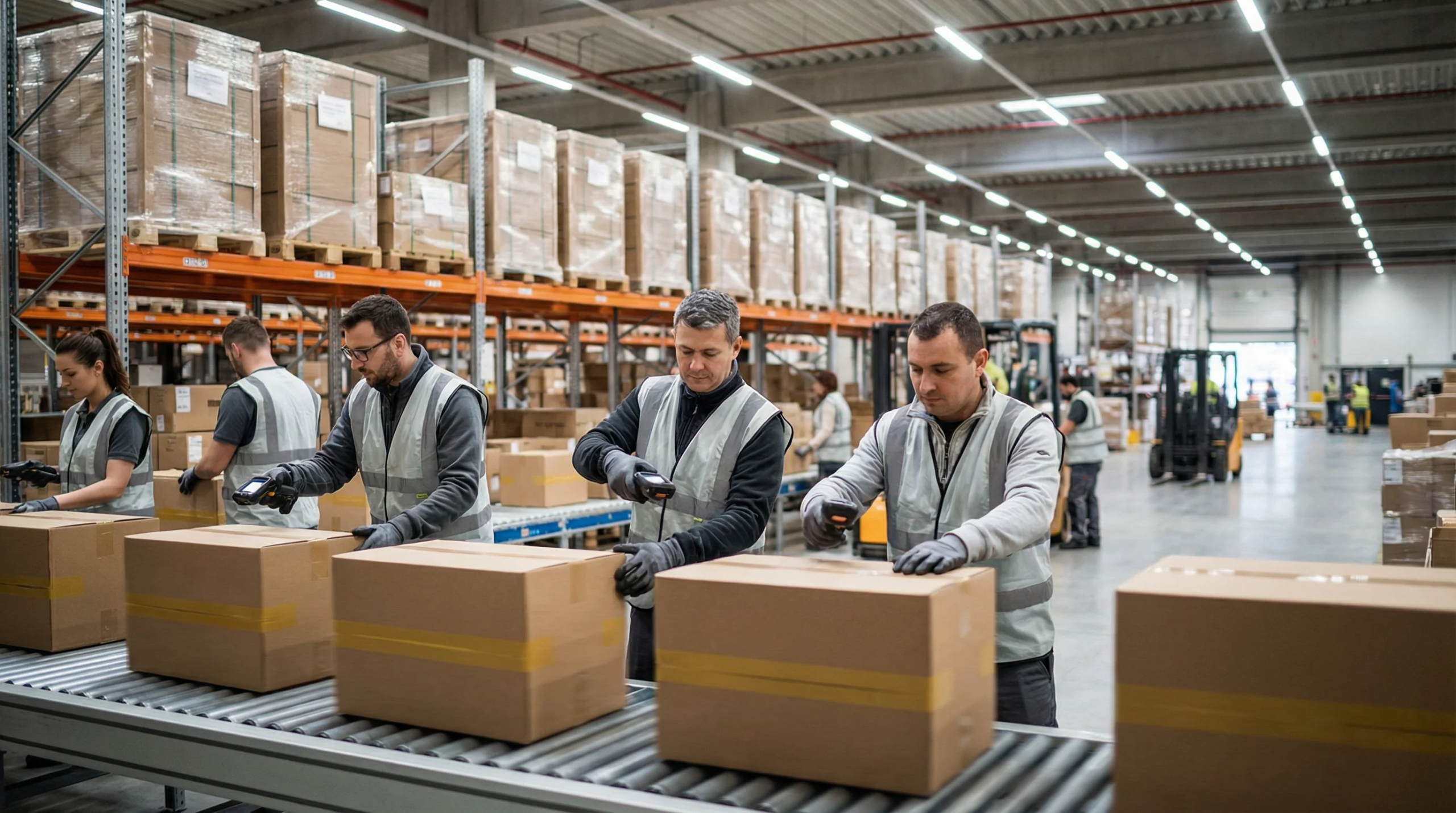
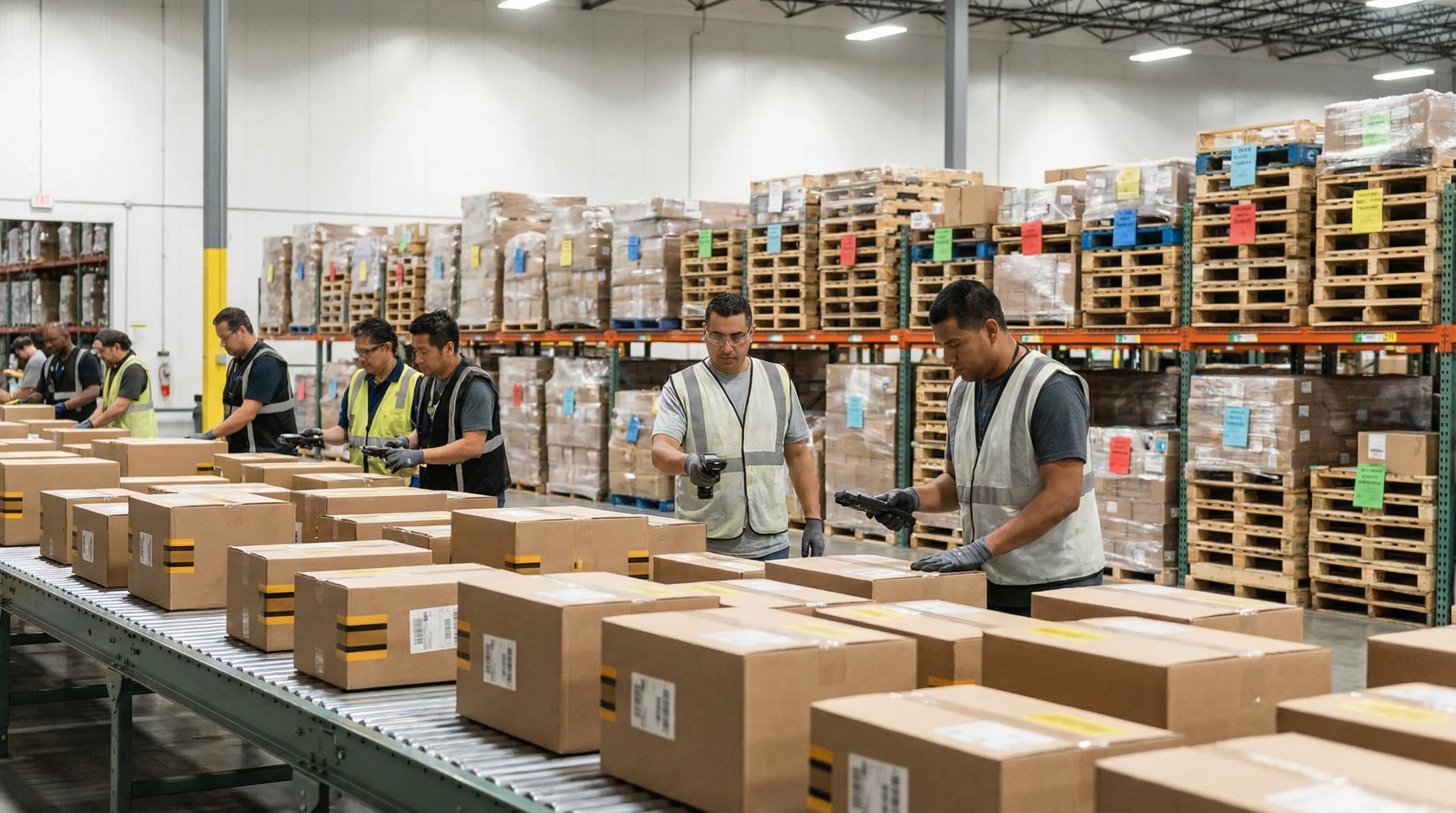
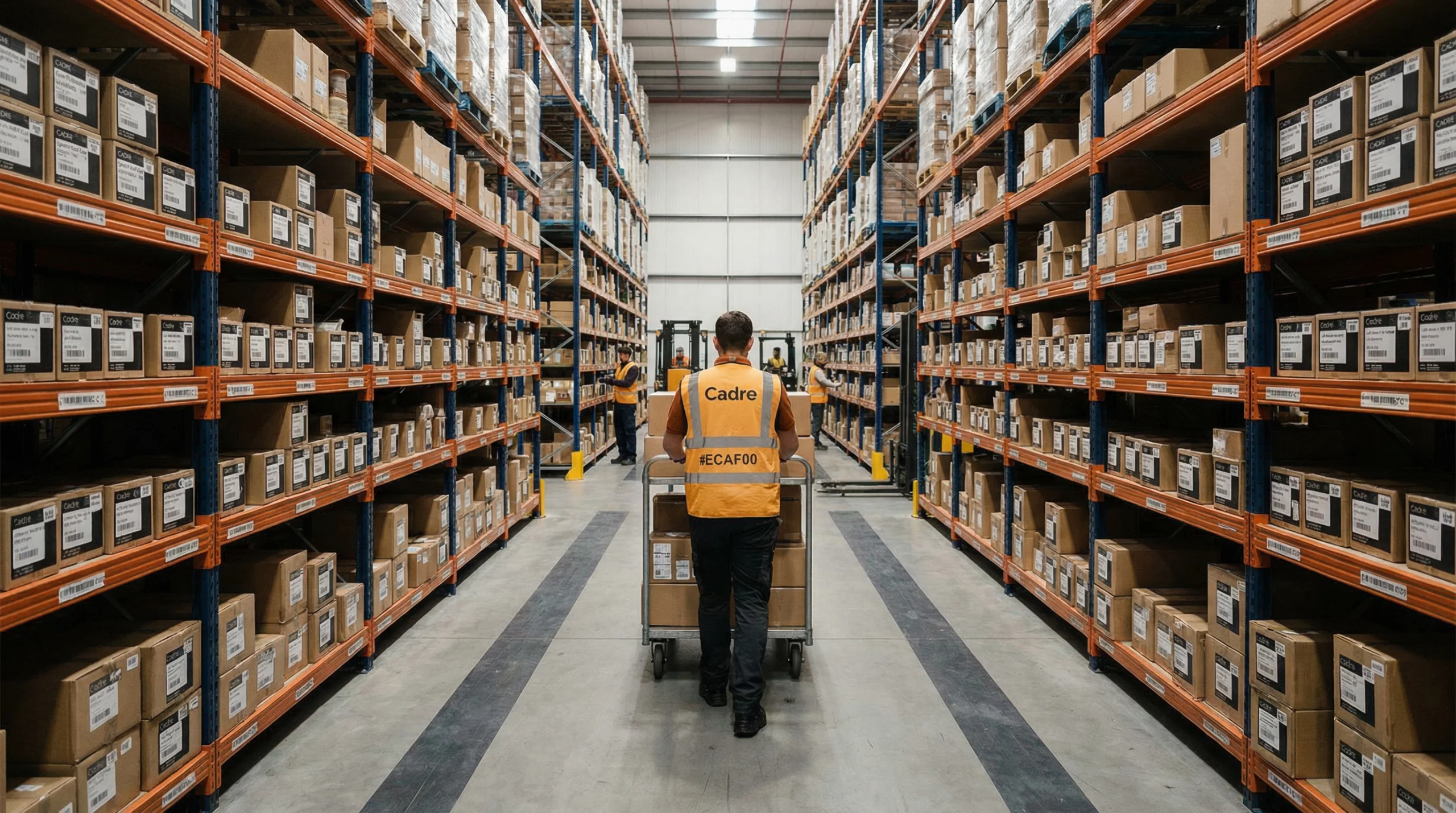
With the increase in online orders and store pickup, companies are having to find the space to pick these orders, whether they turn part of their store into fulfillment space or find additional space not attached to a store like micro-fulfillment centers or “dark stores”. We might see closed department storefronts turned into warehouse distribution centers, as online shopping rises and also the need increases for real estate in prime locations near city centers.
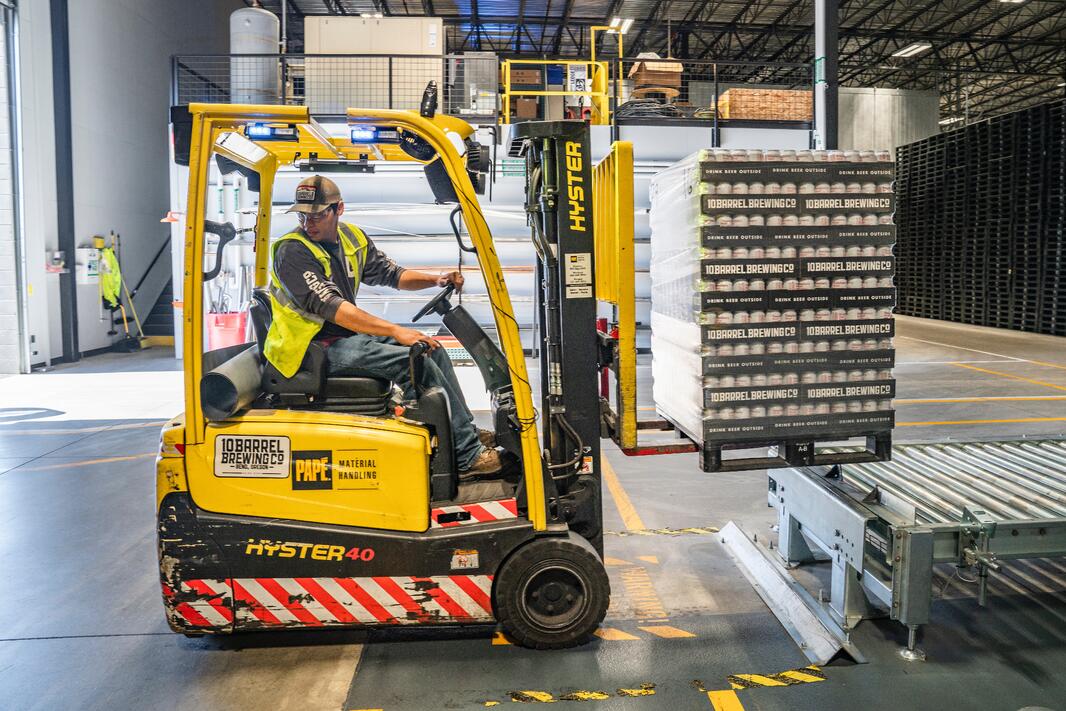
Walmart plans to open automated fulfillment centers within its stores and automated pickup points in their parking lots. Target plans to add sortation centers, in which stores will fulfil orders, the items are then transported to the sortation center where the items will be divided into different delivery routes, and from there partner carriers will complete the delivery. The company also plans on investing more in robotics and automation. Auto Re-bin that sorts items, has been implemented at three warehouses with plans to expand to others.
Some companies are moving operations to Florida and Texas in order to lower their taxes. With a lot of employees working from home, now is a good time to relocate business operations. “San Francisco’s a disaster, Los Angeles is a disaster, New York is a disaster, Chicago is freezing,” he said. “Now all of a sudden, relatively speaking, all of all these global brands are turning to South Florida and going, ‘It’s open for business, the weather’s nice’ said Marty Arrivo, founder and CEO of Acre, a property consultancy that’s been helping lease space around South Florida.
Tune in next week for part four of the series on how orders will be fulfilled.
End-to-End Supply Chain Visibility
Connect demand planning, inventory control, and transportation management with Cadre's integrated platform.
Request a Demo
Frequently Asked Questions
What are dark stores and how do they work?
Dark stores are retail locations converted exclusively for online order fulfillment, with no customer foot traffic. They operate like mini-warehouses in prime locations, allowing retailers to store inventory closer to customers for faster delivery. These facilities help companies meet increased e-commerce demand without the overhead costs of traditional retail storefronts.
How much store space do retailers typically convert for fulfillment?
The amount varies by retailer size and online demand, but many stores dedicate 10-30% of their floor space to fulfillment operations. Some retailers create dedicated pickup areas near entrances, while others convert entire back sections into mini-warehouses. The conversion depends on local online order volume and available alternative fulfillment locations.
Why are companies relocating fulfillment operations to Florida and Texas?
Companies are moving to Florida and Texas primarily for significant tax advantages and lower operational costs. These states offer business-friendly environments with reduced corporate taxes and overhead expenses. The shift is accelerated by remote work flexibility, allowing businesses to relocate operations without losing talent while benefiting from better weather and pro-business policies.
What types of automation are retailers implementing in fulfillment centers?
Retailers are deploying various automation technologies including robotic sorting systems, automated pickup points, and AI-powered inventory management. Examples include Target’s Auto Re-bin sorting technology and Walmart’s automated fulfillment centers within stores. These systems reduce labor costs, increase picking accuracy, and speed up order processing for faster customer delivery.
How do sortation centers improve delivery efficiency for retailers?
Sortation centers act as intermediate hubs where orders from multiple stores are consolidated and organized by delivery routes. This system allows retailers to optimize delivery logistics by grouping orders geographically, reducing transportation costs and delivery times. Partner carriers can then handle final delivery more efficiently, creating a streamlined fulfillment network.