How Cadre Helps the Consumer Packaged Goods (CSG) Industry
The Consumer Packaged Goods (CPG) market is competitive, vast and diverse. CPG product distribution spans the broad market of direct-to-consumer fulfillment and through dynamic retail channels. Consumer markets are at the leading edge of multichannel logistics and include virtually every vertical product category sold.
Cadre supports logistics for 3PLs, distributors and online sellers with systems that manage CPG shipments to retail and direct-to-consumer.
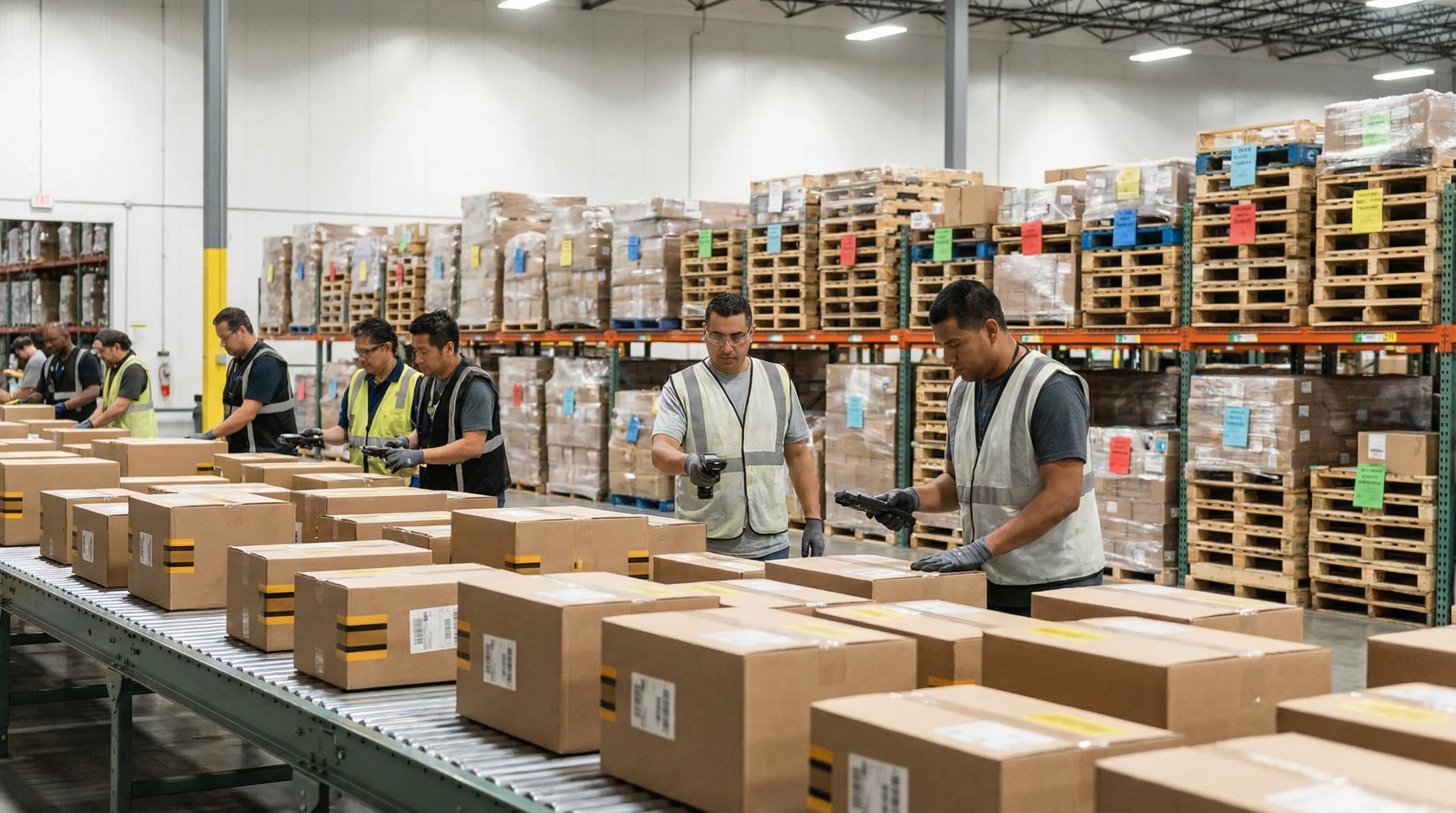
Each channel and logistics operation has different requirements for product positioning in the warehouse, picking methods, labeling (parcels, cartons and pallets) and shipping methods. Shipments vary from a single item delivered via multi-carrier parcel, to entire truckloads of pallets delivered to retail distribution centers.
Cadre’s WMS and supply chain visibility systems work in very large 3PL and distribution centers as well as in single focused fulfillment operations. In many operations, Cadre customers ship the same SKU in different units of measure from eaches to pallets. Cadre’s Warehouse Management System also offers a variety of picking methods and waving warehouse pre-planning whitepaper depending on the units, priority, shipping location, etc. Organizing the warehouse to accommodate this diversity (velocity, picking methods, shipping types, labeling, etc.) is critical to both efficiency and accuracy.
At the end of the process, getting the right product to the customer, on time, is the objective.
Key Functions for eCommerce Fulfillment:
- Multiple unit-of-measure per SKU
- Flexible location management and slotting
- Parcel and LTL shipping support
- Compliant labeling for retail and parcel shipping
- Product visibility and tracking
Contact us today to learn more about how Cadre can streamline your warehouse.
Smarter Warehouse Management Starts Here
Cadre WMS delivers real-time visibility, automated workflows, and seamless ERP integration for warehouses of every size.
Request a Demo
Frequently Asked Questions
What types of CPG companies can benefit from Cadre’s warehouse management system?
Cadre serves 3PLs, distributors, and online sellers across all CPG verticals. The system works effectively in both large-scale distribution centers and focused fulfillment operations. Whether you’re handling direct-to-consumer shipments or retail channel distribution, Cadre’s WMS adapts to your specific operational needs and scale requirements.
How does Cadre handle different shipping requirements for retail versus direct-to-consumer orders?
Cadre’s WMS automatically manages different labeling, packaging, and shipping requirements for each channel. The system supports compliant retail labeling for distribution centers while also handling parcel shipping for direct consumers. It can process everything from single-item parcel shipments to full truckload deliveries to retail locations.
Why do CPG operations need flexible location management and slotting capabilities?
CPG warehouses must accommodate products with varying velocity, size, and picking requirements efficiently. Flexible slotting allows you to position fast-moving items in optimal locations while organizing slow-movers appropriately. This strategic placement reduces travel time, improves picking accuracy, and maximizes warehouse productivity across diverse product categories.
When should a CPG company consider implementing multiple picking methods?
Multiple picking methods become essential when handling diverse order profiles and unit measures. If you’re shipping both individual items and case quantities, or serving both retail and consumer channels, different picking strategies optimize efficiency. Cadre’s waving strategic partnership announcement feature automatically determines the best picking method based on order characteristics and priorities.
What are the benefits of having multiple unit-of-measure support per SKU?
Multiple unit-of-measure support eliminates inventory complexity when selling the same product in different quantities. You can ship a SKU as individual units to consumers and as cases or pallets to retailers from the same inventory pool. This reduces SKU proliferation, simplifies inventory management, and improves accuracy across all sales channels.