How a WMS Helps You Manage People, Places, & Things

People (Users)
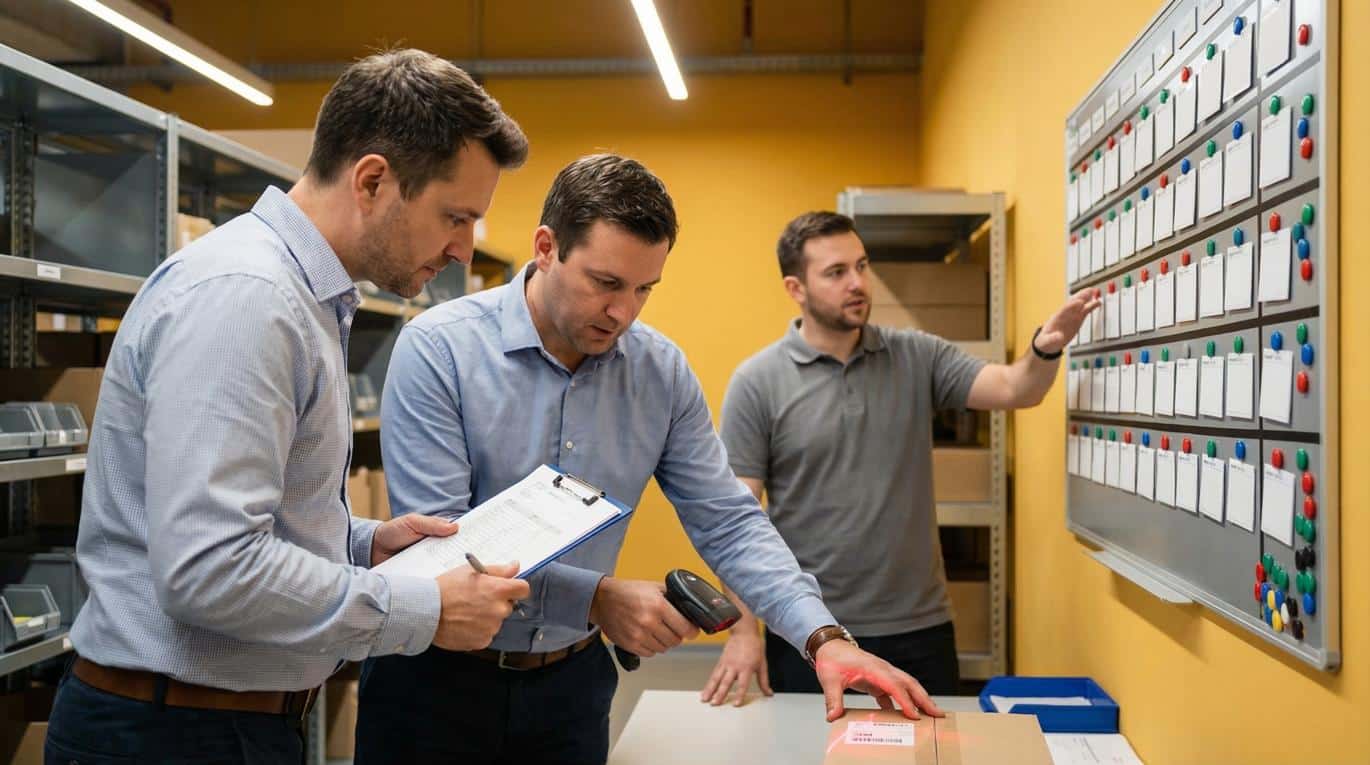
Cadence starts with people and how they interact with the system. Users access the warehouse system with the device most appropriate for their jobs and the work environment.
Smarter Warehouse Management Starts Here
Cadre WMS delivers real-time visibility, automated workflows, and seamless ERP integration for warehouses of every size.
Request a Demo
Places (Locations)
Cadence gives you flexibility to control the location of all inventories from receiving docks, to warehouse shelves and orders in motion. It keeps accurate, real-time records of every SKU by number, quantity, and unique storage location. Inventory receipts, movements or additions are recorded as they occur.
Things (SKUs)
Each product has different physical characteristics and handling requirements. Cadence SKU management includes the physical and logical characteristic required to direct the movement and storage of products.
People (Users)
Cadence starts with people and how they interact with the system. Users access the warehouse system with the device most appropriate for their jobs and work environment:
- Warehouse workers utilize mobile, wireless computers equipped with scanners and interactive browsers.
- Managers manage and control activity with desktop and web-based applications.
- Executives monitor progress and results on tablets via dashboard reports and notifications.
- Customers interact with the WMS via a web-based control system and dashboards which give them a view into the ‘transparent’ warehouse.
- Trading partners (retailers, suppliers, carriers, manufacturers) via electronic data transfer (EDI).
- IT managers can focus on operational matters when the infrastructure is managed in the cloud.
Cadence provides information and interactivity to help everyone do their jobs more effectively. Warehouse workers know where to go and what to do while providing automatic updates, as work as happens. It helps managers make better decisions, based on real-time updates about incoming orders, inventory, schedules and events. Customers have 24×7 visibility to data including orders and inventory.
Places (Locations)
Cadence gives you flexibility to control the location of all inventories from receiving docks, to warehouse shelves and orders in motion.
It keeps accurate, real-time records of every SKU by number, quantity, and unique storage location. Inventory receipts, movements or additions are recorded as they occur.
Dynamic locations and identifiers called ‘Moveable Units’ (MUs) are assigned to inventories at any stage of processing (receiving, storage, picking, and shipping). This helps track products in temporary and storage locations; and monitor product movements within receiving lanes, temporary positions, picking containers and on equipment.
Each lot, expiration date, etc. within a moveable unit is tracked at a detailed level. This provides the functionality for all product movement and inquiry functions from mobile computers and system workstations. It directs the worker to the correct and best location to fulfill the line based on the rules associated with the SKU. A worker can make an inquiry to determine the status through the warehouse on any location, SKU, or MU. Also, moveable units have unique attributes based on product characteristics (size, weight, temperature, security, etc.).
Things (SKUs)
Each product has different physical characteristics and handling requirements.
Cadence SKU management includes the physical and logical characteristic required to direct the movement and storage of products.
The system maintains all relevant data elements for each item in inventory, including lot, dates (expiration and manufacturing) and serial numbers. Typical elements include UPC number, company item number, weight, cube, dimensions, lot number and valid substitution items. Other elements include zone, environment codes, and inventory disposition (i.e. class code).
SKUs can have multiple units of measure in different locations to accommodate pallets, cartons and eaches (or other configurable units). SKU information is extended into classification (family, group & category), costing, pricing and even product images (photos), if available.
Frequently Asked Questions
What types of devices can warehouse workers use with Cadence WMS?
Warehouse workers can use mobile, wireless computers equipped with scanners and interactive browsers. These devices are specifically designed for the warehouse environment and allow workers to access the system while moving throughout the facility. The mobile setup enables real-time data entry and retrieval as workers perform their daily tasks.
How does Cadence track products with different expiration dates?
Cadence uses Moveable Units (MUs) to track each lot and expiration date at a detailed level. The system maintains all relevant data elements including manufacturing dates, expiration dates, and lot numbers for every item. This granular tracking ensures proper FIFO rotation and helps prevent expired products from being shipped to customers.
Can customers see real-time warehouse data through Cadence?
Yes, customers can access real-time warehouse data through Cadence’s web-based control system and dashboards. This creates a ‘transparent’ warehouse where customers have 24×7 visibility into their orders and inventory status. The customer portal provides up-to-date information without requiring direct contact with warehouse staff.
What happens when inventory moves between different warehouse locations?
Cadence automatically records all inventory movements as they occur in real-time. The system tracks every SKU by number, quantity, and unique storage location, whether items are at receiving docks, warehouse shelves, or in transit. Dynamic Moveable Units follow products through all stages including receiving, storage, picking, and shipping.
How does Cadence handle products with special storage requirements?
Cadence assigns unique attributes to Moveable Units based on product characteristics like size, weight, temperature, and security requirements. The system uses zone and environment codes to ensure products are stored in appropriate conditions. SKU management includes both physical and logical characteristics that direct proper movement and storage protocols.