







Real-Time Visibility in Logistics: Warehouse and Transport
By Daryl Grove · March 3, 2026 · 8 min read

Real-Time Visibility for Logistics Wins
A truck is late, a customer is asking questions, and your team is guessing. That feeling is common. Real-Time Visibility helps you stop guessing and start seeing what is happening right now across your warehouse and transport work. When you can see live order status, live inventory, and live shipment updates, you can make better choices faster. This is not just “nice to have.” It is a daily tool that protects your promises and your budget.
What “real-time” really means
A common mistake is thinking real-time visibility is just a map with dots moving. Real-time visibility in logistics means something bigger: you have continuously updated, accurate status for inventory, orders, and shipments across your warehouse network and your transportation lanes, and the right people can see it. That includes warehouse supervisors, logistics managers, planners, customer service, and even sales. Another mistake is trusting end-of-day reports. Batch updates like daily spreadsheets, end-of-shift WMS exports, or phone calls to carriers arrive too late. By the time you learn a trailer missed a pickup, you may already be facing missed ETAs, overtime, or a stockout. True visibility also includes context: what is on the truck, where it is headed, what the delivery window is, and what happens downstream if it is late. Without that context, teams chase the wrong problem and waste time.

Where visibility breaks most often
Most visibility failures are not caused by one big disaster. They come from small, repeated mistakes that stack up. One common mistake is fragmented systems. Your WMS may say an order is staged, your TMS may show it is still “planned,” and a carrier portal may have a different pickup time. People then reconcile data by hand, which creates delays and more errors. The fix is to connect systems through integrations like APIs or EDI and to use a shared dashboard so everyone sees the same status. Another mistake is manual, delayed updates. If drivers text updates, or scans only happen at a few checkpoints, you get “ghost” shipments that disappear for hours. Automated feeds from carriers, telematics, IoT scans, and mobile apps reduce those blind spots. A third mistake is having no single source of truth for ETAs. Different teams use different rules, so customers hear one story while the dock team plans for another. A centralized ETA engine that uses real-time signals like traffic, delays, loading times, and appointment schedules helps fix this. Finally, many teams fail at alerting. They collect data but do not set clear rules for exceptions, so problems are found too late. Simple alerts for late loads, temperature issues, yard congestion, capacity limits, and stockout risk help teams act early instead of firefighting.

Just-in-time needs live truth
Just in time warehousing can look like magic when it works. You keep minimal safety stock and rely on well-timed inbound and outbound flow. But a big mistake is trying JIT with weak inventory visibility. If counts are wrong, if receipts are delayed, or if inbound freight is uncertain, “lean” turns into line stops, emergency expedites, and broken customer promises. Real-time visibility in logistics lowers that risk by giving planners a live picture of inbound shipment status, advanced shipment notices, container or trailer milestones, truck locations, and appointment times. That live view helps warehouse planning: dock scheduling, labor planning, and put-away priorities can change as the day changes. Outbound visibility matters too. When you can see what is picked, packed, staged, and loaded, you can match work to carrier arrivals and cut-off times. This is especially important for e-commerce fulfillment with next-day delivery, for manufacturing plants that need parts at the right hour, and for retail distribution centers that must replenish stores with limited space. Alerts are the safety net: if a shipment is early, late, short, or on quality hold, teams can re-sequence work, re-route freight, or pull from alternate stock before the damage spreads.

Make warehouse and transport one team
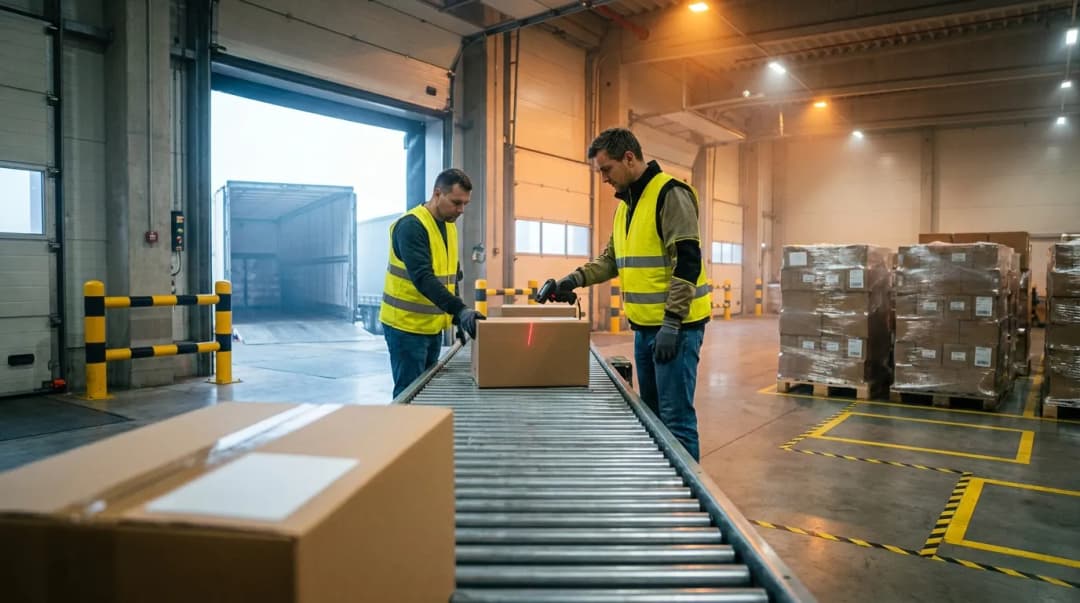
A classic mistake is treating warehouse work and transport work as two separate worlds. Warehouses focus on picking speed and storage space. Transport teams focus on linehaul, last mile, and carrier performance. When they do not share the same live data, friction grows. Trucks arrive when loads are not ready. Crews wait because trailers are not at the gate. Dock doors get clogged, yard moves become chaotic, and carrier cut-offs get missed. Real-time visibility fixes this by making warehouse and transport management feel like one connected flow. When WMS, TMS, yard management, dock scheduling, and carrier systems are linked, everyone can see the same truth: which shipments are inbound and outbound, where they are, when they will arrive, and which orders are staged and ready. This enables smarter decisions like dynamic dock assignment based on live ETAs and automatic reprioritization of picking when a high-priority truck shifts. Another key fix is changing habits, not just screens. Shared KPIs like OTIF, dwell time, and turnaround time help both teams aim at the same goals. Daily joint huddles using the same dashboard reduce blame and speed up action. The result is fewer detention and demurrage charges, faster truck turns, and fewer overtime surprises in the warehouse.
Start small, then scale fast
A big mistake is trying to “boil the ocean” with a giant rollout. Another mistake is buying features before you know your real problems. A better path is simple and steady. First, map your blind spots. Ask, “Where do we routinely not know what is happening?” It might be in-transit milestones, yard locations, staging areas, or a few problem carriers. Talk to dispatchers, planners, warehouse supervisors, and customer service and collect their top frustrations. Second, pick use cases, not buzzwords. Choose two or three high-value goals, like reducing detention, lowering stockouts, improving promised-delivery accuracy, or stabilizing JIT replenishment. Third, clean your data. Even the best dashboard fails if IDs, locations, and timestamps do not match. Consolidate sources from WMS, TMS, ERP, carrier feeds, scanners, and telematics so the basics are reliable. Fourth, choose enabling technology that fits your network and is easy for frontline teams to use, with strong alerting and workflow tools. Fifth, design clear ownership. Decide who watches alerts, who calls carriers, who changes dock plans, and how handoffs work. Write simple playbooks, like: “If a truck will be more than 60 minutes late, notify customer service, adjust dock schedule, and reprioritize picking.” Sixth, pilot and measure. Start with one site, one region, or one lane. Track OTIF, dwell time, inventory turns, overtime, and customer complaints. Then expand step by step.
See blind spots before they cost you
-
Fewer surprise delays because ETAs update everywhere.
-
Less overtime when labor planning matches real arrivals.
-
Lower premium freight because problems are caught early.
-
Stronger customer trust because promises are based on live facts.
Pro Tips
-
Start with one pain point, like detention, and measure it weekly.
-
Use one shared dashboard for warehouse, transport, and customer service.
-
Set alert rules that are simple, like “late by 30 minutes,” then improve later.
-
Fix data names and IDs early so orders and shipments match everywhere.
Stop running your operation on yesterday’s spreadsheets.
Build a live picture, not guesses
Real-time visibility in logistics is now a foundation for reliable promises, lean inventory, and stronger daily operations. Just-in-time warehousing and smooth warehouse and transport management only work when everyone shares the same live view of orders, inventory, and shipments. You do not need a risky overnight overhaul. You can close the biggest visibility gaps first, connect key data sources, and make real-time decisions part of daily work. Ready to see your network in real time? Start with a visibility audit and list the blind spots that cost you the most.
Frequently Asked Questions
What is the simplest way to explain real-time visibility?
Real-time visibility means you can see the current status of orders, inventory levels, and shipments as they change throughout the day rather than waiting for end-of-shift reports or manual updates. In practice, this gives warehouse managers and logistics coordinators a live picture of what is happening across receiving, storage, picking, and shipping so they can act on problems before those problems reach the customer.
Why do ETAs cause so many customer problems?
ETA issues typically stem from multiple teams pulling estimated arrival times from different sources such as carrier portals, TMS dashboards, and manual spreadsheets. When those sources disagree, customer service representatives give conflicting answers, downstream scheduling breaks down, and dock appointments fall apart. A single shared ETA feed that updates automatically eliminates the guesswork and keeps every stakeholder working from the same timeline.
Do I need new software to get better visibility?
Not necessarily. Many operations achieve meaningful gains by first connecting the systems they already have, cleaning up master data, and setting threshold-based alerts for exceptions like late shipments or low stock. Once those foundational steps are in place, you can evaluate whether a dedicated visibility platform adds value beyond what your current WMS, TMS, or ERP already provides.
How does better visibility reduce detention and demurrage?
Detention and demurrage charges pile up when trucks wait at docks longer than their allotted free time. Real-time visibility lets you match inbound arrival data with dock availability, labor schedules, and appointment windows so loads are unloaded or loaded within the free-time window. Operations that track these metrics typically cut detention costs by 15-25% in the first quarter after implementing live dock scheduling.
Is just-in-time warehousing safe for smaller operations?
Just-in-time can work at any scale as long as two conditions are met: your inventory counts are accurate enough to trust, and you have live visibility into inbound shipments so you know exactly when replenishment will arrive. Without those safeguards, smaller operations risk frequent stockouts because they lack the buffer stock that larger warehouses carry. Starting with a handful of high-velocity SKUs is a lower-risk way to test the approach.
What should I measure in a first visibility pilot?
Focus on metrics that connect directly to customer experience and cost: on-time in-full (OTIF) rate, average dock dwell time, late pickup percentage, stockout frequency, unplanned overtime hours, and the number of times customer service has to manually chase shipment status. Baseline these numbers before the pilot starts, then compare at 30, 60, and 90 days to quantify the impact and build a case for broader rollout.