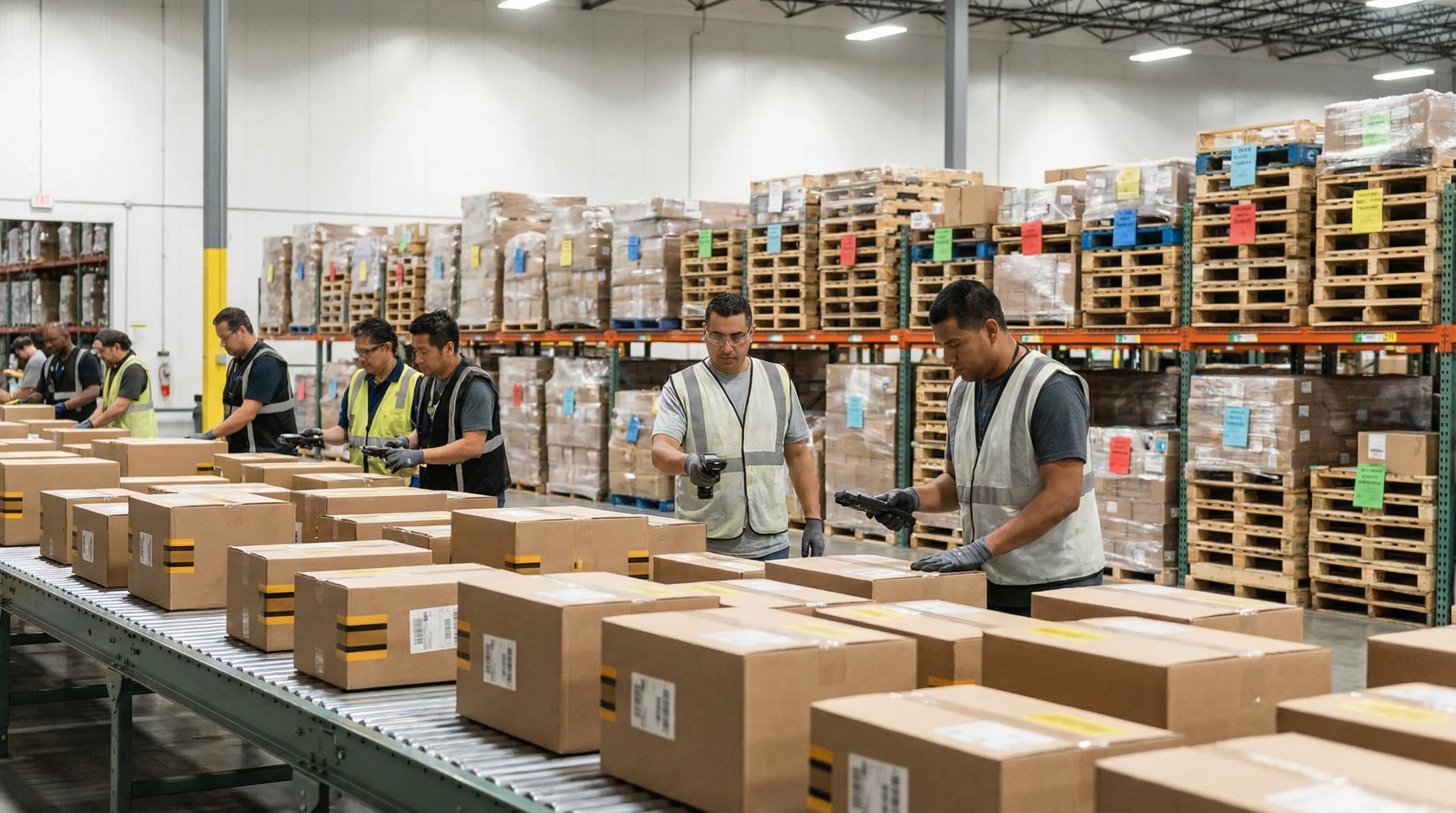
Building a Warehouse? Don’t just think about NOW but the FUTURE too!
When building a warehouse, it is important to not only consider your current inventory but focus on growth…what you want to see in the future and where your product focus or customer type (3PL) will be. If you are starting from scratch, do your research or hire an expert to help. If you already have other locations, think about what is working well and what you would change as far as the building size, layout, location, etc. Here are a few things to keep in mind before you begin the building process.
1. Location is Key
What type of business are you focused on direct to consumer, direct to business, or sending to distribution facilities? It is important that your location follows this focus, whether you want to be close to ports, freeways, airports, or near a city center. And traffic can be a major consideration also if close to major metropolitan centers. Getting closer to your customers and/or suppliers will also cut down on shipping expenses and transport time. Another thing to consider are tax rates in the area you are looking.
Smarter Warehouse Management Starts Here
Cadre WMS delivers real-time visibility, automated workflows, and seamless ERP integration for warehouses of every size.
Request a Demo
2. Clearing Pathways
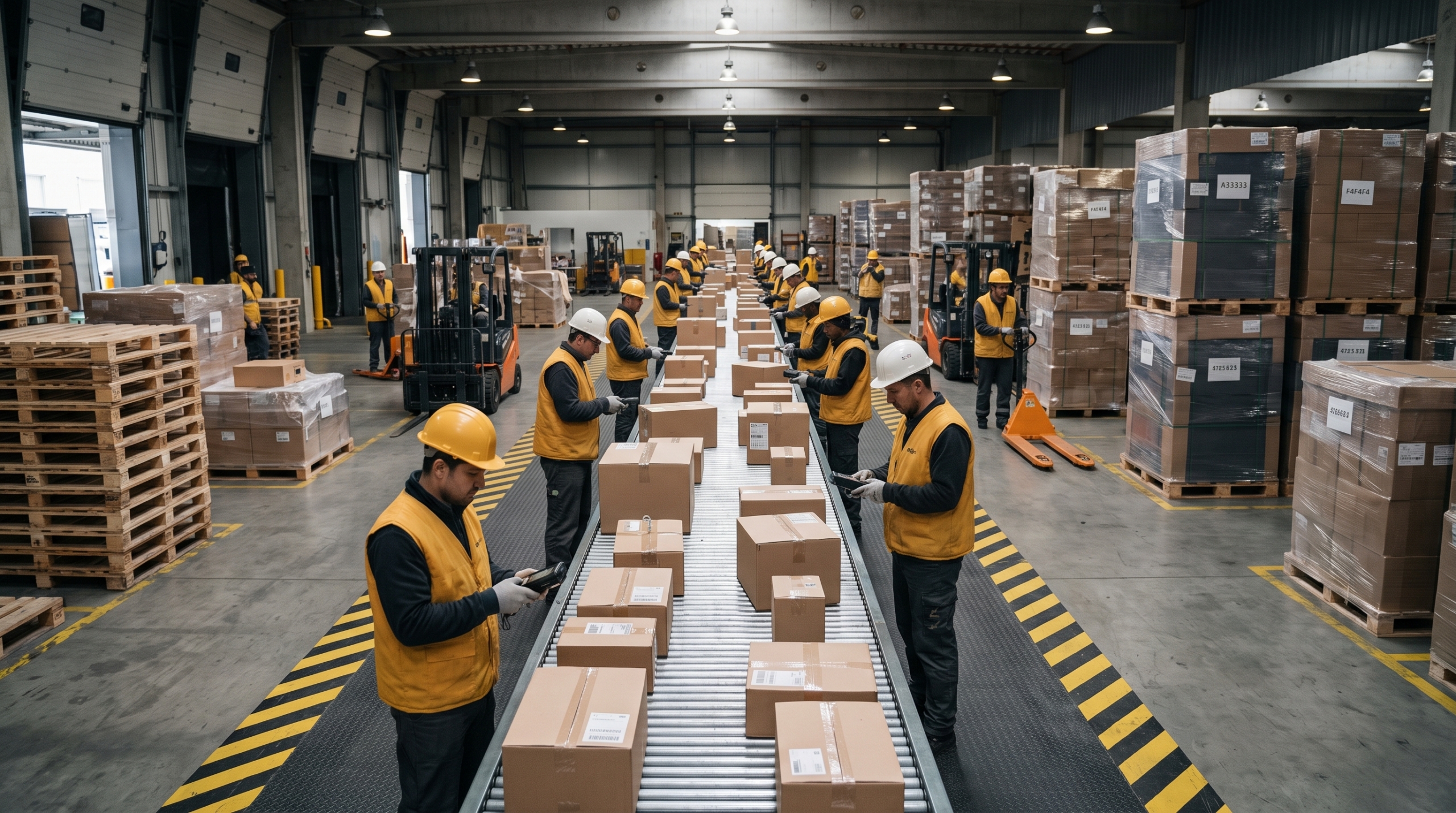
Are you considering adding robots to your warehouse operation? It is important to keep in mind warehouse floor pathways to accommodate workers, forklifts, conveyor belts and robot carts that hold the picked merchandise or robots that are bringing inventory to the worker to be packed. Another thing to analyze is the floor layout. What is the most efficient path for products to move through the warehouse from receiving inventory through shipping out orders? How will you slot products to support velocity and layout? This also ties into where the products will be stored and if necessary, in conjunction with others, which leads into our next point.
3. Product Storage
What type of storage do you need or want to provide? Keeping in mind product characteristics, do you have any of the following?
- Products requiring temperature-controlled space?
- Need special handling such as hazardous or fragile items?
- Individual products, cases, pallets, or a combination of all the above?
- Products that require rules or regulations for storage
- Expiration dates (FEFO), first-in-first-out (FIFO), Lot Tracking, Serial Numbers
- Seasonal items (product inventory fluctuations depending on the season)
Keeping in mind ecommerce is expanding exponentially and will probably continue into the future, do want, or have enough space to accommodate each pick, small parcel orders? Will you need warehouse space for processing returns? Another thing to remember, are shipping times, if you have a lot of next day or short turnaround time orders, you might want to move those products closer to the loading/shipping dock, to speed up fulfillment times. Not only do you need to keep in mind shipping times, but more popular products vs products that sit on the shelves for an extended period of time. To help organize your inventory, you can incorporate slotting which groups items by velocity, product type, or any other product characteristic such as size. Another thing to consider is if you have items that are normally ordered together, it would be smart to store the items close together for quicker picking. Also, if you add storage racks, how high do you want them to go and how will the higher shelves be accessed? Narrow aisle for product density?
4. Build Up or Out
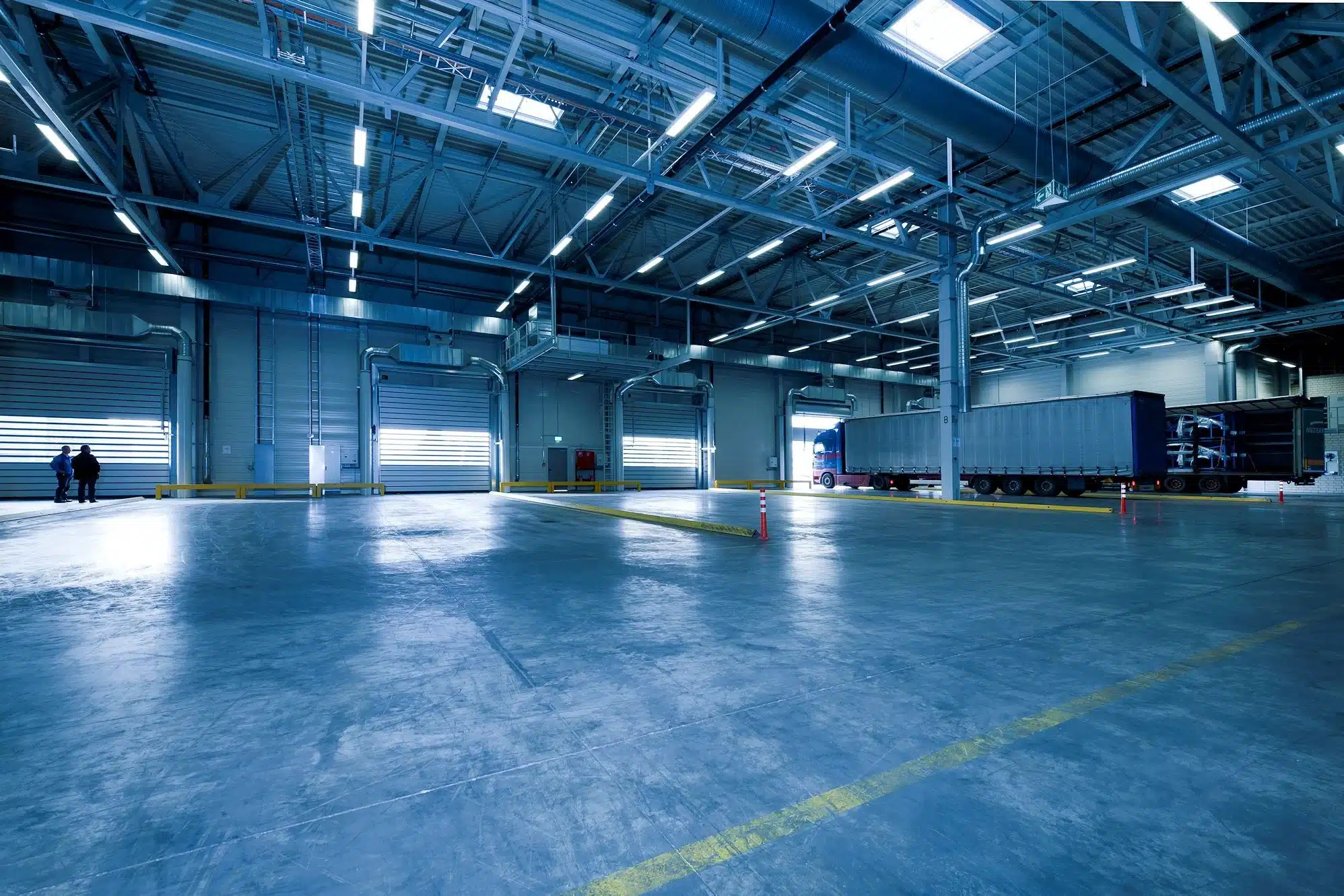
How much warehouse space will you need? Do you need office space as well? To maximize space and decrease the amount of land needed to buy, you could implement an Automated Storage and Retrieval System (AS/RS) to take advantage of vertical space as opposed to needing more horizontal space. These systems also improve safety, resulting in fewer accidents, reduces labor costs and increases order picking accuracy. “An AS/RS is a combination of equipment and controls that handle, store and retrieve materials as needed with precision, accuracy and speed under a defined degree of automation. Systems vary from smaller automated systems to larger computer-controlled storage/retrieval systems totally integrated into a manufacturing and/or distribution process”, MHI.
Building a warehouse is a large investment and takes a lot of time. Remember to slow down, and think through each process carefully, making adjustments to plans after they are put into motion can be costly and extend your building completion date.
Speaking of careful consideration, the foundation of your warehouse operations is a great Warehouse Management System (WMS). If you are looking for a WMS for your new warehouse or are looking to replace an existing system, we would love to help you find the best solution for your company. Contact us today.
Frequently Asked Questions
How much should I budget for warehouse construction costs?
Warehouse construction costs typically range from $40-80 per square foot for basic facilities, with high-tech automated warehouses costing $100+ per square foot. Factors affecting cost include location, building materials, automation level, and special requirements like temperature control. It’s recommended to budget an additional 10-20% contingency for unexpected expenses during construction.
What permits and regulations do I need for warehouse construction?
You’ll need building permits, zoning approval, environmental permits, and fire safety compliance certificates. Specific requirements vary by location and may include stormwater management, traffic impact studies, and hazardous material handling permits if applicable. Consult with local authorities early in the planning process to ensure all regulatory requirements are met before construction begins.
How long does it typically take to build a warehouse?
Standard warehouse construction takes 6-12 months from groundbreaking to completion, depending on size and complexity. Pre-construction planning and permitting can add 3-6 months to the timeline. Highly automated facilities or those requiring special features like cold storage may take 12-18 months. Weather conditions and supply chain delays can also impact construction schedules.
Should I lease land or buy property for my warehouse?
Buying offers long-term equity building and control over the property, making it ideal for established businesses with stable growth projections. Leasing requires less upfront capital and provides flexibility for businesses with uncertain growth or those testing new markets. Consider factors like cash flow, tax implications, location permanence needs, and your company’s long-term strategic plans.
What size warehouse do I need for my business?
Calculate your current inventory space needs, then add 25-50% for future growth over 5-10 years. Consider product types, seasonal fluctuations, order processing areas, and office space requirements. A typical rule of thumb is 8-10 square feet per pallet position, but high-velocity operations may need more picking and staging areas while slower-moving inventory can be stored more densely.